



Sakura Sake Shop launches Japan’s first low-carbon sake
Sake retailer Sakura Sake Shop, has teamed up with global carbon management platform Zevero, to launch 作 for 2126 (ZAKU for 2126) – which it claims is Japan’s first low-carbon sake.
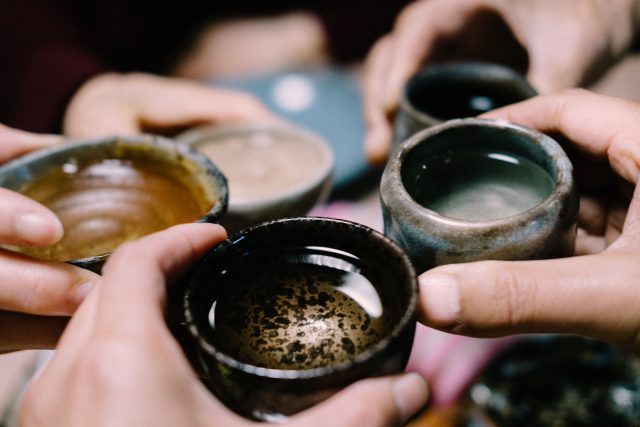
18 months in the making, the new drink was developed in collaboration with Mie Prefecture brewery Shimizu Seizaburo Shoten, and reduces carbon emissions by 30% per bottle.
The product is now available for purchase domestically in Japan via crowdfunding platform Makuake, and will launch globally through the Sakura Sake Shop website on 9 June.
While other sakes have made sustainability claims through renewable energy or carbon neutrality, Sakura Sake Shop claims that 作 for 2126 is the first to substantiate its low-carbon credentials using product data, with no carbon offsets used.
Bringing the dream to life
Takeshi Komazawa, who founded Sakura Sake Shop 13 years ago, said: “We’ve spent over a year bringing this dream sake to life.
“Farmers who grew rice with care for the planet, a company that helped us measure and reduce environmental impact, designers who shaped this concept into form, and the brewery that crafted this beautiful sake — so many people came together to make it happen. This is a sake made with the next 100 years in mind.”
Founded in 2013, Sakura Sake Shop is driven by the mission “to protect the agriculture and nature that support sake, and contribute to a society where people can live well 100 years from now”, which is what gave 作 for 2126 its name and direction.
Inside the production process
The project began in October 2024, when Zevero conducted a full PCF baseline of Sakura Sake Shop’s flagship 作 label.
In October 2024, a joint project between Zevero and Sakura Shoten was launched with market research and conceptual development as the initial steps. Shimizu Seizaburo Shoten, one of Japan’s leading sake breweries was commissioned and a comprehensive PCF baseline assessment of the brewery’s flagship brand, ‘Saku’, was then conducted.
The assessment established that a standard 750ml bottle generated 2.225 kgCO₂e, with manufacturing (35%), rice cultivation (26%), and glass bottles (20%) as the three largest sources.
Following this, Zevero modelled the emissions impact of potential interventions before any changes were committed to, giving the team a clear picture of where action would matter most.
Partner Content


Zevero then visited Shimizu Seizaburo Shoten’s brewery and held direct working sessions with Kamio Farm, the rice farmer supplying the brewery, to co-design the agricultural practices that underpin the product’s low-carbon claim.
Marvin Mori, CEO of Zevero Japan, said: “Most sustainability work in consumer goods starts and ends with measurement.
“What Sakura Sake Shop did differently was use the data as a starting point for action, working directly with their brewery and farmers to make changes that are verifiable at every step. That’s what gives this product its credibility, and it’s a model the wider food and beverage industry should be paying attention to.”
Three decisions for fewer emissions
作 for 2126 reduces emissions from 2.225 kgCO₂e to 1.559 kgCO₂e per bottle, through three changes. The first is switching
from single-use glass to a returnable bottle reduces bottle-related emissions by 77%, based on data from the Glass Bottle 3R Promotion Council.
The second is through working directly with Kamio Farm, the team extended the mid-season drying period, which is a traditional paddy field practice in which fields are drained and dried mid-grow, by seven or more days beyond the historical average.
Honouring the land
This suppresses methane emissions from soil bacteria and reduces rice-derived CO₂ by 30% per bottle, in line with Japan’s J-Credit agricultural carbon methodology (AG-005).
Additionally, the team has removed the decorative packaging paper, eliminating 0.141 kgCO₂e per bottle.
Shinichiro Shimizu, CEO of Shimizu Seizaburo Shoten, said: “The land and water that make our sake possible have been central to everything we do at Shimizu Seizaburo Shoten for generations.
“Working with Sakura Sake Shop and Zevero to develop 作 for 2126 gave us a way to honour that responsibility with the same rigour we bring to the brewing itself.”
Related news
Alcohol spending in South Korea posts sharpest drop in seven years
Low and no drinks fuel food and beverage dealmaking as Asia Pacific leads global M&A market
Beyond the guest shift: Singapore’s cocktail community is ready for a new chapter


