



India’s Karnataka state to scrap alcohol price controls from April
In a bid to modernise the sector and boost revenue, Karnataka, one of India’s largest alcohol markets, will scrap government-administered price controls on alcoholic drinks this April… but not everyone is convinced.
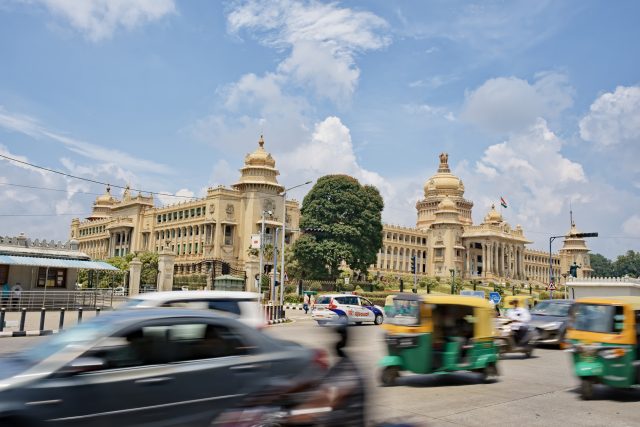
Announcing the move in the state budget on Friday, chief minister Siddaramaiah said the government will also implement an alcohol-in-beverage-based excise duty structure that taxes alcohol based on its strength. It will also cut pricing sections from eight to 16, and will allow producers to pick prices rather than seeking state approval.
The state’s alcohol market is thriving thanks to its vibrant population of young professionals and multinationals – fuelling demand for premium brands like Pernod Ricard, Diageo and Carlsberg.
The shift in framework will mark a significant break from the current decades-old system, in which the government controls retail alcohol pricing, with manufacturers declaring ex-factory prices, before the government decides the final retail price.
Booming alcohol market
The southwestern region has some of India’s highest alcohol taxes, due to the fact that liquor is classed into multiple price categories, each attracting an added excise duty.
In the aftermath of the policy reset, producers spanning from Tilaknagar Industries, to United Breweries, and Radico Khaitan hiked up. United Spirits leapfrogged 5.4%, while United Breweries lifted 2.6%.
Siddaramaiah said the new policy will be implemented gradually over the next three to four years to make sure that changes in the market happen gradually.
Partner Content



Wineries ‘overlooked’
The state has set an excise revenue target of Rs 45,000 crore (£3.57 million) for 2026-27 in the budget.
India is the world’s eighth-largest alcohol market with annual revenues of US$45 billion. Pricing and regulations differ across each state.
But the move has been met with a mixed response from producers and trade bodies. Speaking to Deccan Herald, Amant S Iyer, director general of the Confederation of Indian Alcoholic Beverage Companies said the move had “overlooked wineries,” and while benefiting the overall beer industry, sidelines Indian-Made Foreign Liquor (IMFL).
Potential sales drop
He highlighted the possibility of a fall in sales: “If duty slab rationalisation is accompanied by an increase in duty in slabs 1 to 4, which constitutes approximately 85-90% of spirits sales in Karnataka (in the absence of country liquor) and is the primary driver for excise revenue collection, such an increase will lead to a further drop in sales in these slabs and adversely impact revenue in the medium term”.
Nikhil Menon, co-founder of Mannheim Craft Brewery told Deccan Herald that the policy change was a “good step” and yet “might be too early to bring out the bands”, with more clarity needed on the statement, and still a possibility that things could go downhill.
“While different countries have their own ways of calculating alcohol prices, more and more countries are now moving forward the fact that pricing should be determined by ABV. It is the alcohol content which is being taxed, which is fair,” he added.
Related news
Why 'latitude' has exited the conversation
Pernod Ricard’s bid to sell spirits in New Delhi blocked
Why travel retail is the smart route for drinks hoping to crack Asia


