



Free energy tool to trim costs for pubs and bars
A UK Government-backed scheme will soon launch in hundreds of hospitality venues. Trial data suggests meaningful reductions in overnight energy consumption, which could help improve margins for pubs, restaurants and hotels.
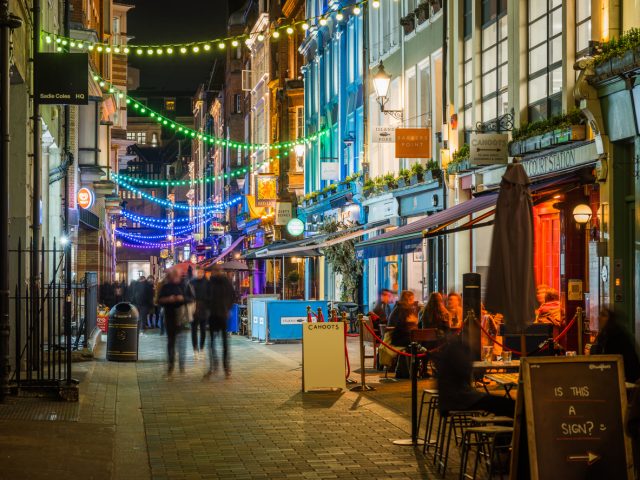
More than 525 small and medium-sized pubs, restaurants and hotels across England are set to receive access to a free digital energy and carbon reduction tool, according to the Department for Energy Security and Net Zero. The scheme follows a trial involving 90 hospitality businesses, where average annual savings approached £2,500.
The tool, delivered by Zero Carbon Services with £350,000 of UK Government funding, provides tailored plans that address how venues use electricity during quieter trading hours. Real-time alerts draw attention to waste from equipment such as extraction systems, fridges, ovens and lighting, all of which are central to the running of bars and kitchens.
Night-time energy use under scrutiny
Trial data indicates that overnight consumption has been a key area of improvement. Some participants reduced this by as much as 66% over a 12-month period.
A pub in Bromley cut overall energy use by 26%, equating to savings of £48 per week. Over a year, this amounts to nearly £2,500 retained rather than lost to inefficiency. In Caterham, Surrey, a smaller pub reduced overnight energy use by 66%, saving more than £1,500 annually, as per government figures.
Such gains are particularly relevant for wet-led venues where refrigeration and cellar systems run continuously regardless of footfall.
What it means in drinks terms
Mark Chapman, chief executive of Zero Carbon Services, framed the savings in language familiar to operators. He said: “When you put energy savings into real hospitality terms, the impact becomes very clear. Saving around £2,000 a year is the equivalent of the profit from selling thousands of pints, or the breathing space that protects hard-won margins during quieter months.”
He added: “We’re showing that climate action doesn’t have to be a trade-off. When energy is managed better, businesses become more efficient, more resilient and better placed to invest back into their teams, their venues and their future.”
For many pubs and bars, where staffing, stock and duty already exert pressure, reduced utility costs can offer rare flexibility.
Operators look to scale savings
Mark Holden, company director of Inn Cornwall, described the immediate benefits seen at site level. He said: “Thanks to the energy and carbon reduction tool, we’re already looking to save £5.01 each day from a few easy-to-implement changes. We will do this across our other sites, which could mean we’ll save £5,400 a year. The Energy and Carbon Reduction Tool is going to help save a lot of family businesses in the hospitality sector.”
The emphasis on simple operational adjustments may appeal to independent operators who lack the resources for complex retrofitting or consultancy.
Policy support and wider funding
Chris McDonald, Minister for Industry, said the extension would help “slash bills and protect Britain’s hospitality sector”, adding that pubs and restaurants are contributing to emissions reduction while lowering costs.
Alongside the rollout, broader support for hospitality has been outlined. A 15% cut to new business rates for pubs, announced in January, is expected to save the average pub £1,650 in 2026 to 2027, as reported by the government. A £10 million Hospitality Support Fund over three years aims to assist more than 1,000 pubs in expanding community services such as cafes and village stores.
Separately, £23.4 million has been awarded through the Industrial Energy Transformation Fund to 20 businesses, including Molson Coors Brewing Company UK Limited and HJ Heinz Manufacturing Limited, supporting energy efficiency and decarbonisation projects, according to government data.
Industry criticism
As reported by the drinks business, the government has come under fire recently for its economic policy and its negative effects on the drinks trade. Last month, alcohol duty rose again with RPI and trade bodies reacted strongly. Miles Beale, chief executive of the WSTA, described the move as “disappointing and shortsighted”, while SWA chief executive Mark Kent said the rise adds “additional pressure on a sector suffering job losses, stalled investment and business closures”. According to Kent, the previous 3.65% rise reduced spirits revenue by 7%, amounting to a £150 million loss to the Treasury.
Related news
Are monovarietal wine cellars the future of hospitality?


