



Champagne Dom Pérignon launches ‘smallest blend ever’
Dom Pérignon has released a Champagne from the 2017 harvest, which yielded the prestige cuvée’s “smallest blend ever” due to the “extreme” weather conditions, according to cellar master Vincent Chaperon.

Speaking at the London launch of the latest expression yesterday, he recalled how a mix of extremely hot and dry conditions during the summer, followed by rain in the second half of August, led to a reduced crop of ripe grapes from the 2017 vintage.
Such berries, following careful selection, were suitable for making high-quality and balanced wines, but only in small quantities, with Chaperon saying yesterday that it was the tiniest release Dom Pérignon has ever made in the modern history of the brand.
“It is the smallest blend we ever did,” he said, referring to his time with former cellar master Richard Geoffroy – who retired in January 2019 – adding, “It is 15% of a standard harvest, so only 2-3 months’ worth of sales, so it is very small.”
As a result, there will be two vintages of Dom Pérignon released this year, with the 2018 expression due to hit the market later in 2026.
Speaking further about the decision to make small amounts of the 2017, Chaperon said that it used to be the policy to only make Dom Pérignon in years when there was enough high-quality fruit to make a decent quantity of the prestige cuvée. Although the number of bottles made are never officially disclosed by the producer, it is estimated that in an ideal harvest, as many as five million bottles might be made of Dom Pérignon, with around 4m of those being blanc, and the rest being rosé. If this is correct, it would mean that around 600,000 bottles of Dom Pérignon 2017 have been made.
Old rules broken
Looking back, Chaperon recorded, “We used to say we need sufficient volumes to make Dom Pérignon, but with the [small but high quality] 2005 vintage, we broke that rule.”
In other words, now the approach at Dom Pérignon is to make and release a vintage expression as often as possible, but in varying quantities, rather than making fewer vintages of higher-quantity releases. Indeed, Chaperon even said at the event yesterday that it is his approach now to make and bottle a blend from every harvest, even if some years won’t be commercialised, but simply kept at the producer’s cellars as a record of the year.
Importantly, the resulting Champagne from 2017 is outstanding, reflecting the ripeness of the year, balanced by the natural acidity that comes from the cool, semi-continental climate of the region, and the decision to harvest early in 2017.
Indeed, the 2017 vintage was the fourth time in the history of Champagne that picking has begun in August, with the official start date being 28 of the month, with previous August-time harvests being in 2003, ’07 and ’11.

Dom Pérignon 2017 but not 2016
Admitting that the winemaking team at Dom Pérignon were under “pressure” to make a vintage from the 2017 crop, Chaperon said that the producer had not released a vintage in 2011, nor 2014, nor 2016. Referring to the last and most recent of these vintages, he said that Richard Geoffroy had been criticised by some for not making a 2016 Dom Pérignon, but Chaperon defended the decision, saying, “People did make fantastic wines in 2016, but we were not able to; we did not have the concentration.”
Partner Content
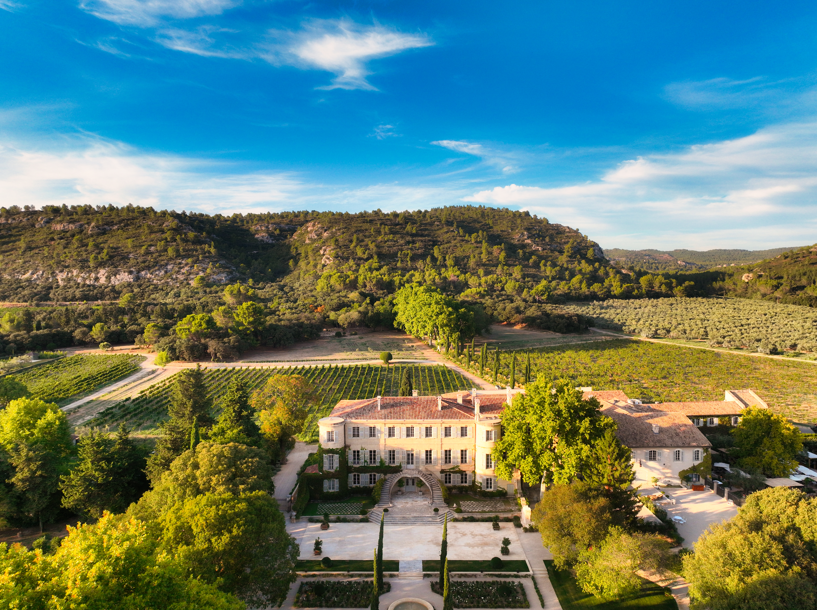

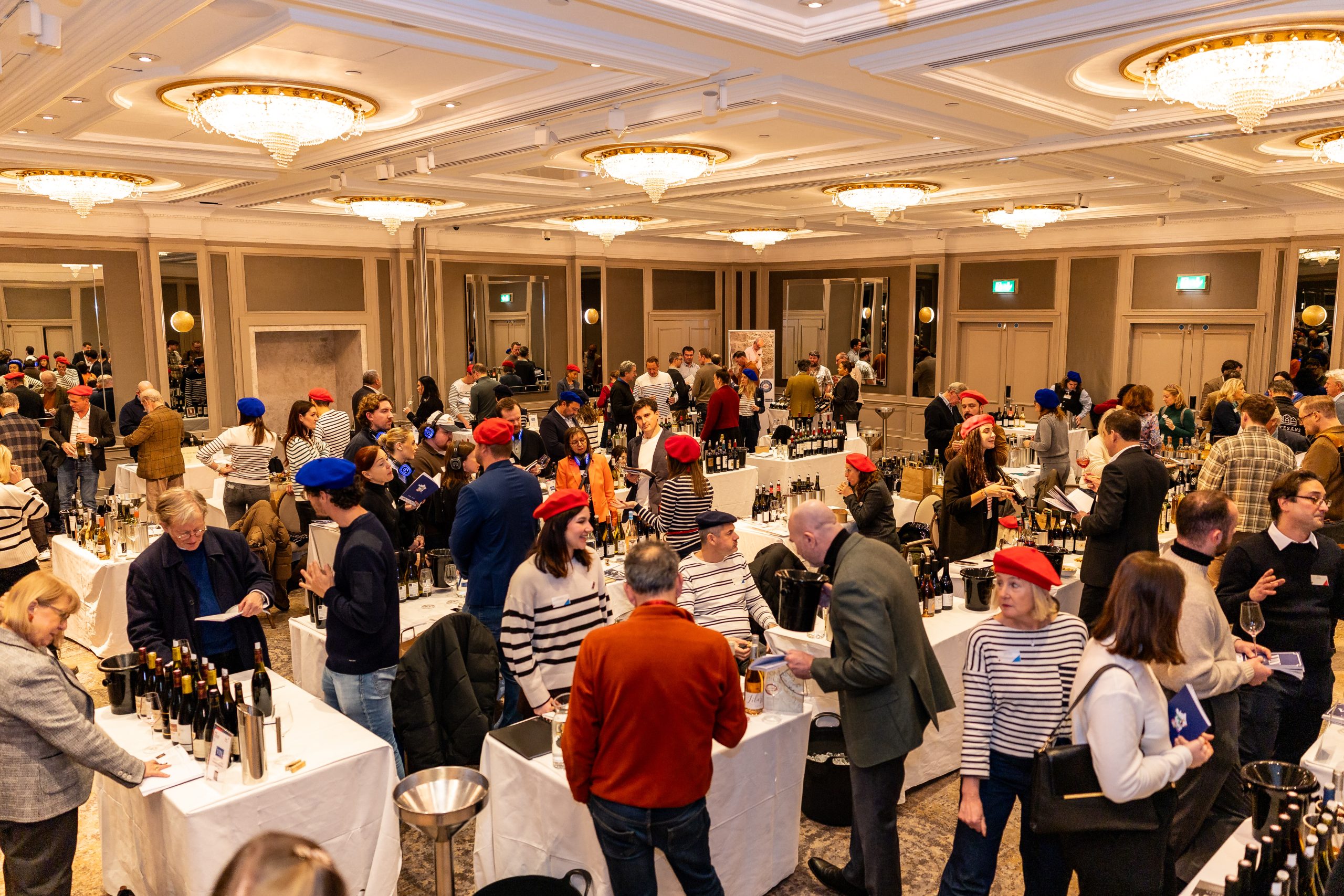
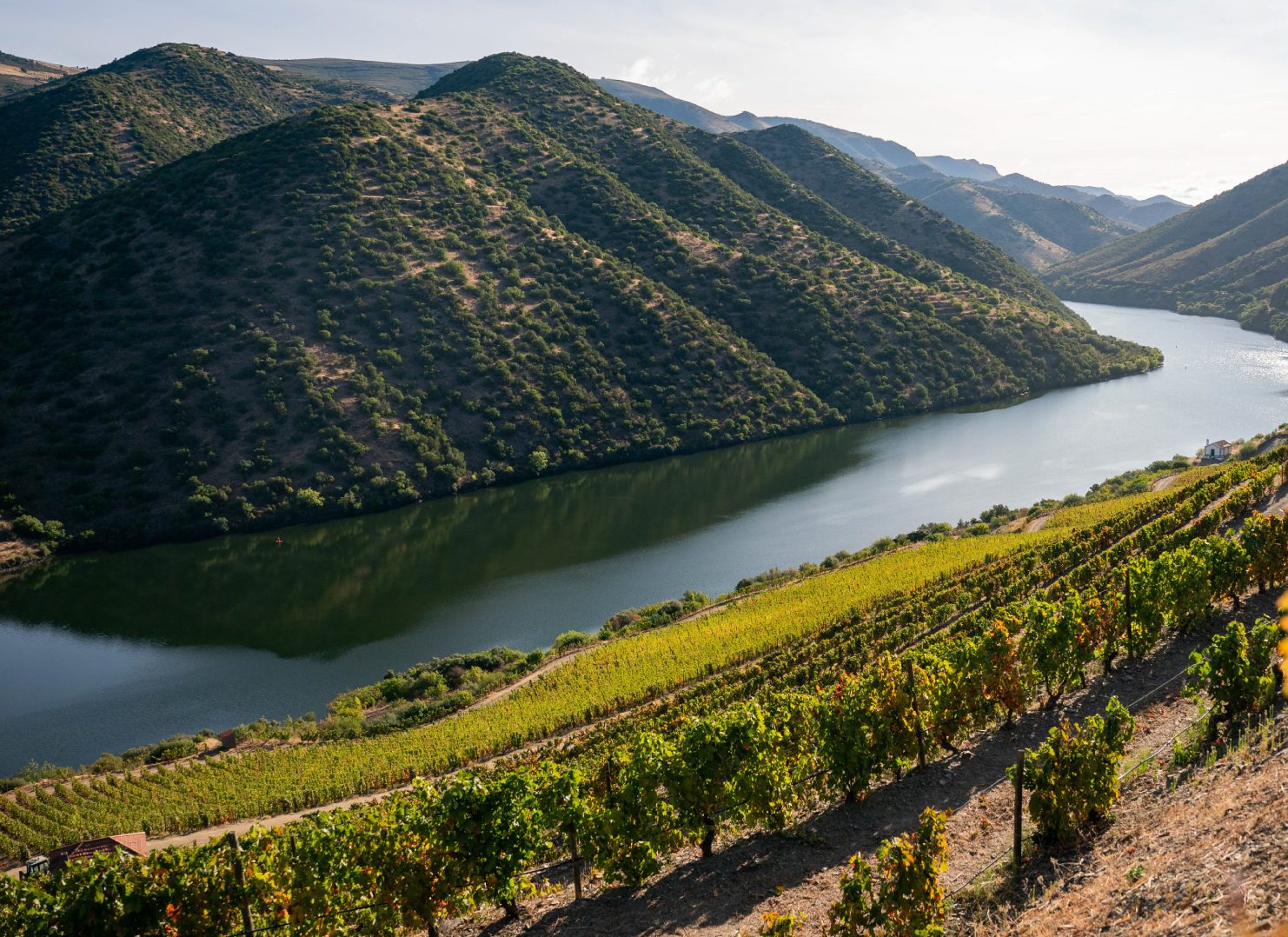
As for the nature of the 2017 harvest, it was a year of two parts, with Chaperon commenting that it was both the best and worst vintage of the century, depending on when and how you looked at it.
Until August 15, it was being heralded as an exceptional year, with warm dry conditions yielding clean ripe grapes, however, from that day onwards, rains arrived, bringing with them disease pressure, which included botrytis – something the region is used to handling – but also sour rot, which spreads faster the botrytis, and brings vinegar-like characters to the wines because it is driven by acetic acid bacteria.
Looking back to the changing conditions, Chaperon said, “We moved from the best vintage of the century, to the worst.”
95% of the year was perfect
However, he said, “But 95% of the year was perfect, and if you were able to harvest fruit untouched by rot, then you had very good things, and that’s what we fought for.”
Especially good in 2017 was the Chardonnay, which explains why the Dom Pérignon blend from this vintage contains 61% of the grape, making it the second highest in the history of the prestige cuvée – surpassed by 1970, which had as much as 66%.
Chaperon said that the strict selection of Pinot Noir, which was most affected by the spread of rot following the rains in August 2017, meant that “the remaining Pinot Noir we had was so concentrated that we had to put a lot of Chardonnay into the blend to bring a balance.”
He added “Guiding us [in the blending process] is not the volume, we are free to make zero, 10% or 100% [of what we harvest into Dom Pérignon], but what is guiding us is the balance between Chardonnay and Pinot Noir in terms of expression, and because we had a deep and intense Pinot Noir, we needed more Chardonnay.”

A year of extremes
In terms of the resulting Champagne from 2017, Chaperon said that the Dom Pérignon from the year is atypical. “It is not a classic,” he said, before commenting, “You can feel the tension, it is pulling in different directions: first of all, you feel the ripeness, the natural sucrosity and softness, with yellow stone fruit, and texture, and then on the other side you feel the acidity, the bitterness and structure.”
Continuing he said, “It is not usual to have both,” adding that it is a result of the “extreme character of the year”.
Read more
A decade in Champagne: rating every vintage 2011 to 2021
Related news
Dom Pérignon launches flower-covered limited edition Champagnes
Dom Pérignon unveils new creative chapter with seven iconic collaborators


