



Hollywood and wine: what the drinks trade can learn from cinema
As cinema attendance and wine consumption follow strikingly similar patterns, the problem looks less like changing taste and more like the collapse of shared rituals. Matthew Deller MW considers the lesson wine can learn from Hollywood.
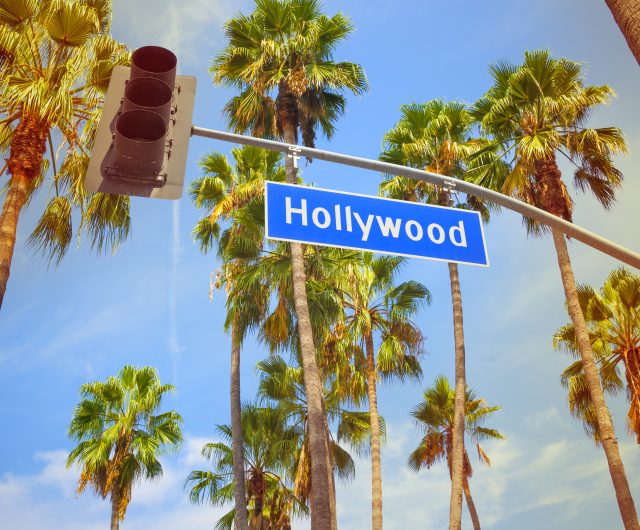
Human societies are built around shared moments. Meals, ceremonies, performances and celebrations place people into the same physical and emotional space at the same time, with a shared sense of purpose. Wine and cinema earned their place in many cultures by doing exactly that. Beyond simple entertainment or refreshment, they bolstered how people gathered, how time slowed, and how attention was directed toward one another.
Both categories are now under pressure for the same reason. Consumption has become easier, faster and more individualised, while participation has become optional. The result is abundance without gravity.
Cinema makes this tension visible. Global film production and content availability are higher than at any point in history, yet cinema attendance has not recovered evenly since the pandemic. In the United States, 2023 and 2024 box office growth was driven disproportionately by a narrow set of releases such as Barbie, Oppenheimer and Top Gun: Maverick, rather than by consistent weekly attendance. Audiences stepped back from the ritual of going to the cinema but did not abandon film altogether. When watching a film becomes functionally interchangeable with streaming it at home, the shared act loses priority.
What those breakout releases demonstrated was demand for collective anticipation. Barbenheimer succeeded because it turned attendance into a social statement. People planned outfits, chose dates, shared reactions publicly and participated in a moment larger than the film itself. Studios recognised that the value was not only in the content, but in restoring a reason to be present together.
Wine is resilient when linked to occasion
This insight sits uncomfortably close to wine’s current position. Global wine volumes continue to soften, particularly in markets where younger adults drink less frequently and less habitually. At the same time, premium wine has proven resilient, especially where consumption is anchored to dining, travel and occasion. Rather than wine’s suitability for sharing, the issue is the erosion of the social cues that once made choosing wine the default act in group settings. In mixed company, wine now competes with drinks that signal immediacy and low risk. Simplicity has become a proxy for inclusion. Complexity, when unsupported, creates hesitation.
Rituals guide people through shared moments. They tell participants how to behave without explanation or self-consciousness. Cinema once relied on this instinctively, and wine did too. The darkened room, the fixed start time and the shared silence of a cinema placed everyone on equal footing. Likewise, the opening of a bottle at the table once signalled the beginning of a shared experience. Corks were pulled, glasses poured, conversation aligned. Those rituals did not feel formal because they were widely understood.
Partner Content
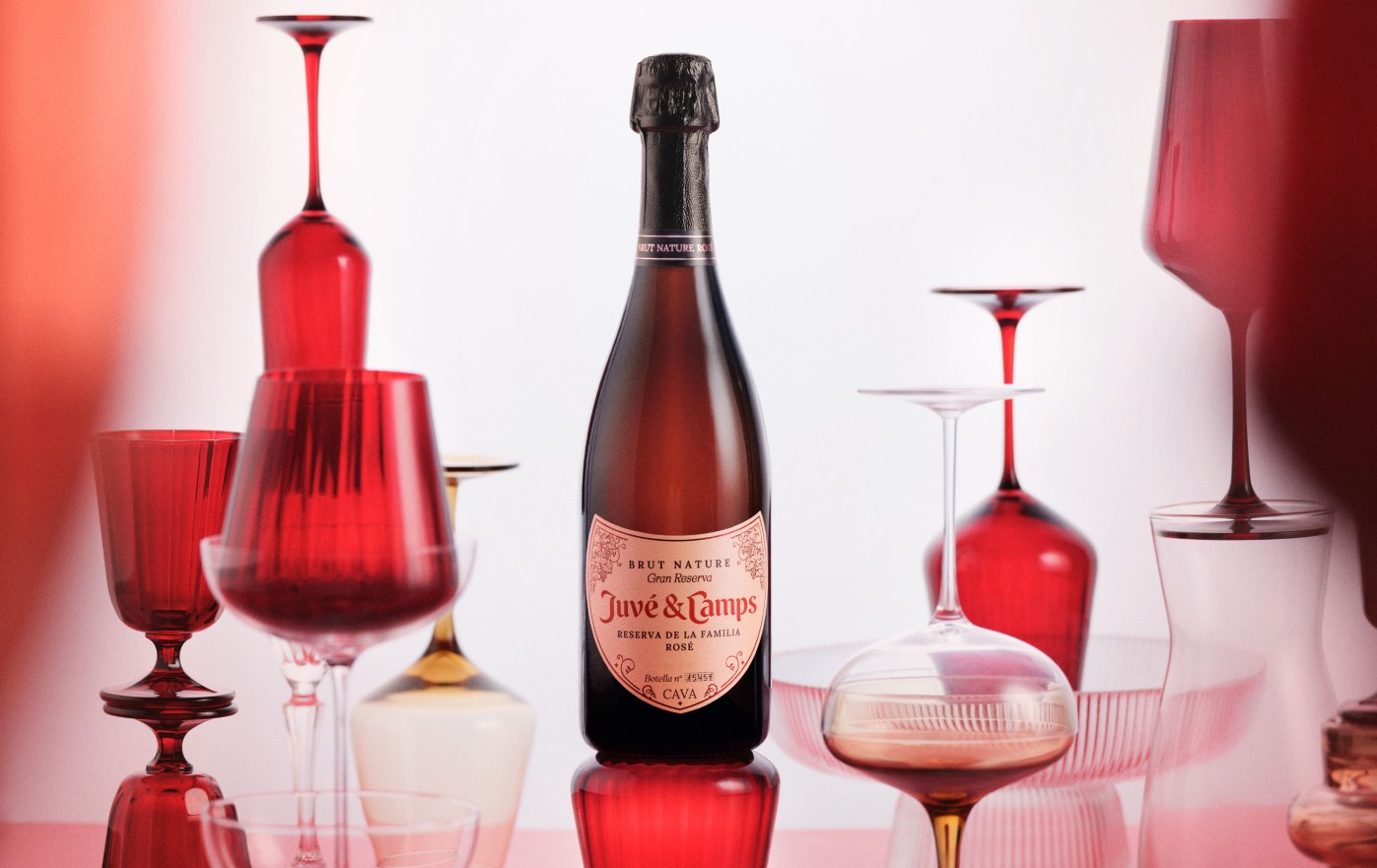
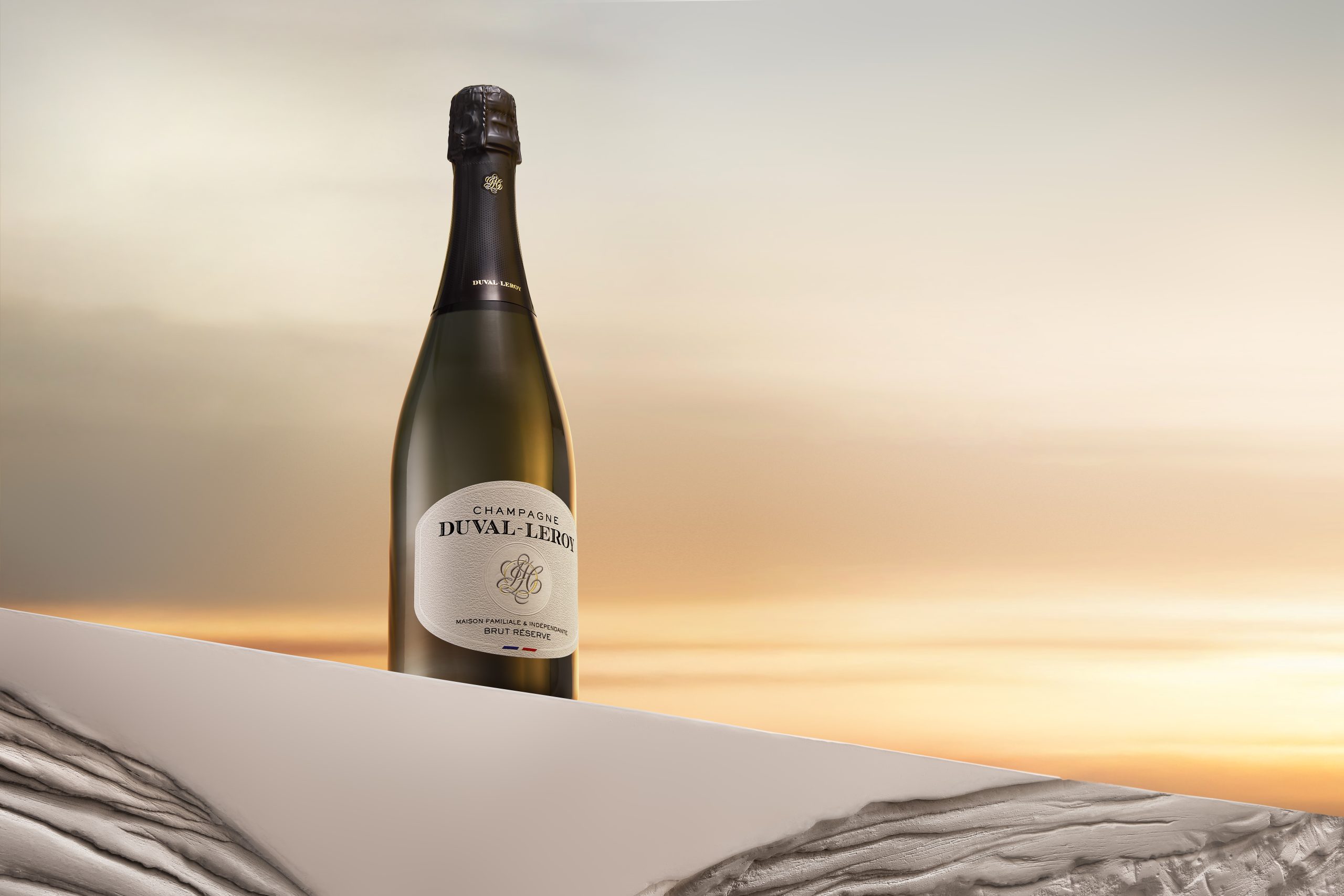

Over time, wine’s rituals hardened. Decanting, tasting protocols and technical language became signals of expertise rather than hospitality. What once guided participation began to intimidate it. Rituals endure when they align with how people actually live and gather today, not when they interrupt the moment to be decoded. Cinema faced the same challenge. Streaming is winning, not because films became better at home, but because the ritual of leaving the house stopped justifying itself.
Wine has functioned as social infrastructure since antiquity
Anthropology provides useful perspective when handled precisely. Wine has functioned as social infrastructure since antiquity, as both symbolism and in practice. In Classical Athens, the symposium was a structured evening governed by rules of dilution, order and turn-taking, designed to regulate discourse and prevent excess. In Roman convivium culture, wine service reinforced hierarchy and obligation between host and guest, formalising reciprocity. In medieval European courts, wine distribution followed rank and sequence, embedding social order into the act of drinking itself. In each case, wine organised behaviour. It slowed time, focused attention and reinforced bonds. Its value was social as well as sensory.
That organising power still exists where wine is embedded into contemporary ritual rather than layered on top of it. In Buenos Aires, the asado is not complete until wine appears, because the bottle marks the transition from cooking to gathering. In Seoul, the rise of informal wine bars reflects a desire among younger adults to explore identity collectively, without rigid hierarchy. In Lisbon, shared bottles structure the evening’s rhythm, pacing food and conversation together. In Tokyo, small counter-service wine venues create trust quickly by placing strangers into the same flow of service and selection. In each case, wine succeeds because it supports the moment rather than competing for attention.
Films are not just content to be consumed
Hollywood’s current response offers practical lessons. Studios are shortening theatrical windows selectively, not universally, to restore urgency around certain releases. Premium large-format screens, curated seating layouts and event-led programming are designed to make attendance socially visible again. Marketing now emphasises participation, conversation and cultural presence rather than access. Films are framed as moments worth discussing afterwards, not just content to be consumed.
Wine can apply the same logic. Restaurants that guide tables toward a shared bottle early in the meal anchor the night more effectively than expansive by-the-glass lists. Retailers who organise wine around occasions rather than regions or price points reduce decision anxiety and restore confidence. Producers who communicate how their wines fit into real social moments give consumers permission to choose without fear. Technical detail still has value, but it deepens appreciation once the shared purpose is established.
Constraints are real. Hospitality margins are tight, retail competition intense, and producers rely heavily on intermediaries to carry their message. Yet cinema’s experience shows that cultural institutions regain relevance by rebuilding the ritual that once made them indispensable. Wine retains more influence over how it is experienced socially than current consumption patterns suggest.
Wine has always been the drink that turns gatherings into stories. That function has not disappeared. It has simply been left unsupported. Hollywood has shown that when people are given a reason to share an experience, they participate willingly. Wine’s opportunity is to reclaim its place at the centre of the table by restoring the social clarity that once defined it. Culture strengthens when shared moments are intentional. Wine still belongs there.
Related news
#WeekInPictures: Galaxy Bar book launch, fine wine trends and pâté perfection at The Savoy
US wine trends 2025: premiumisation dominates as volume drops


