



Did the Catholic Church invent terroir?
From medieval monastic labour to papal vineyards, the Catholic Church played a pivotal role in shaping how we understand wine, land and terroir, writes Kathleen Willcox. Today’s winemakers are the inheritors of that legacy, but who will protect it as monastic influence fades?
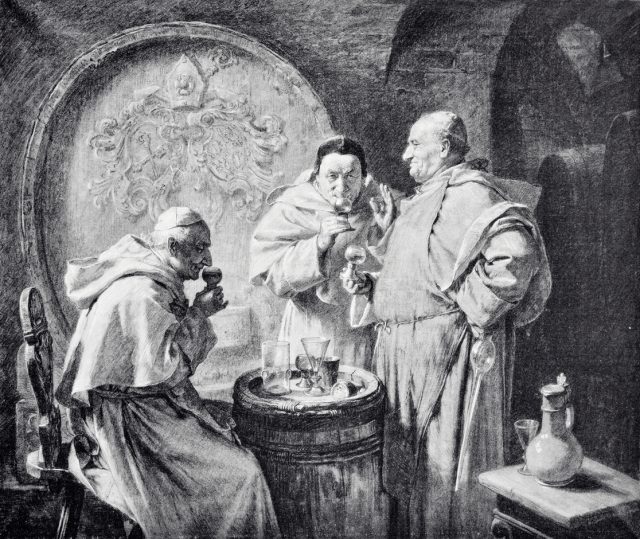
When I think of the Catholic Church plus wine, an admittedly rare occurrence, I think about how cool Jesus Christ was for turning water into wine. Occasionally, my mind may drift to the slippery matter of transubstantiation, transforming the Communion wine into Jesus Christ’s blood.
What I rarely consider, as a lapsed Catholic but baptised and enthusiastic member of the Church of Wine, is how much I and my fellow Churchgoers owe to the Catholic Church.
The Catholic Church, or at least the Catholic Church’s loyal soldiers, through a series of at times financially motivated and self-serving power moves, at other times brilliant intellectual and philosophical exercises over a millennium and counting, completely transformed the way winemakers across the world farmed, aged and thought about wine.
How the Church shaped wine culture
The dishy wine backstory in the Bible, in and of itself, is well worth exploring. In addition to Jesus’ clear affinity for wine, my favourite tale is the one about Noah opting to plant a vineyard the second the flood waters subsided, then going on an epic bender and getting busted by his son Ham naked and passed out in his tent.
In the end though, it is God’s earth-bound consiglieres who are really responsible for what we have in the glass today. The first wine influencer, arguably, was Pope Julius I, who planted the first papal vineyard at the Vatican in the fourth century.
After Rome fell and the Early Middle Ages ushered in intellectual decline and infrastructural decay, monastic orders did not just preserve wine culture; they elevated it.
Monks across Europe, particularly Benedictines, Cistercians and Cluniacs, planted vineyards, documented practices and sustained international wine trade.
The monks who mapped terroir
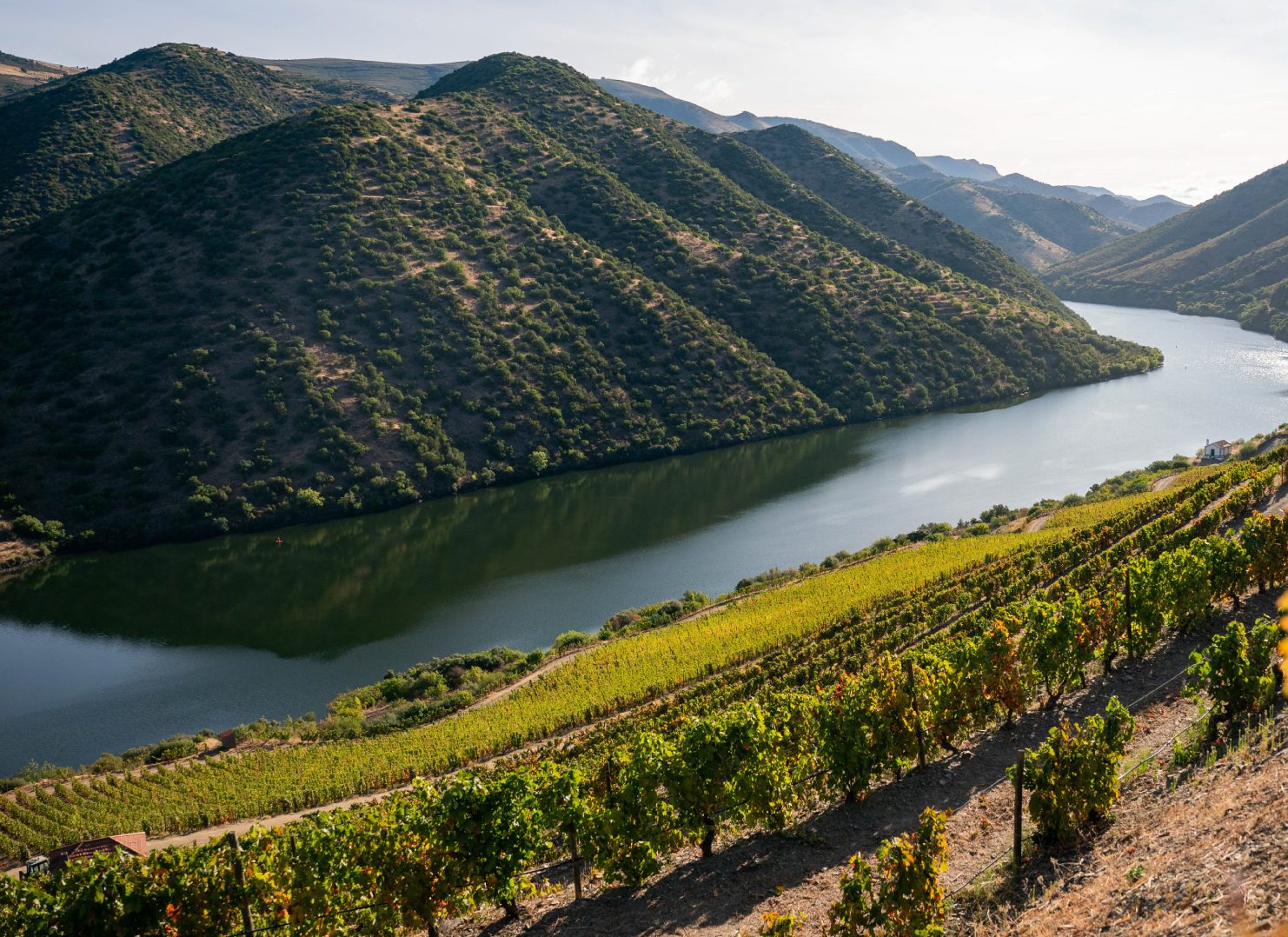
Burgundy became ground zero for evolution and innovation. The observant Cistercians, who owned vast vineyard holdings, first noted how separate vineyard blocks produced different results.
They were the first to record these observations, linking differences in wine to soil, climate and elevation. Their careful mapping of micro parcels on the Côte d’Or laid the foundation for the cru system and the modern concept of terroir.
Those logistical and, more importantly, paradigmatic shifts still resonate today.
Protecting and extending the monastic legacy
Many winemakers who inherited monastic vineyards see it as their duty to build upon the foundation laid centuries ago.
At Château de Mille, the oldest wine estate in the Luberon and once a papal summer residence, co-owner Lawrence Slaughter notes that the Papal court introduced many Rhône varieties still emblematic today, including Ugni Blanc, Grenache and Carignan.
Partner Content
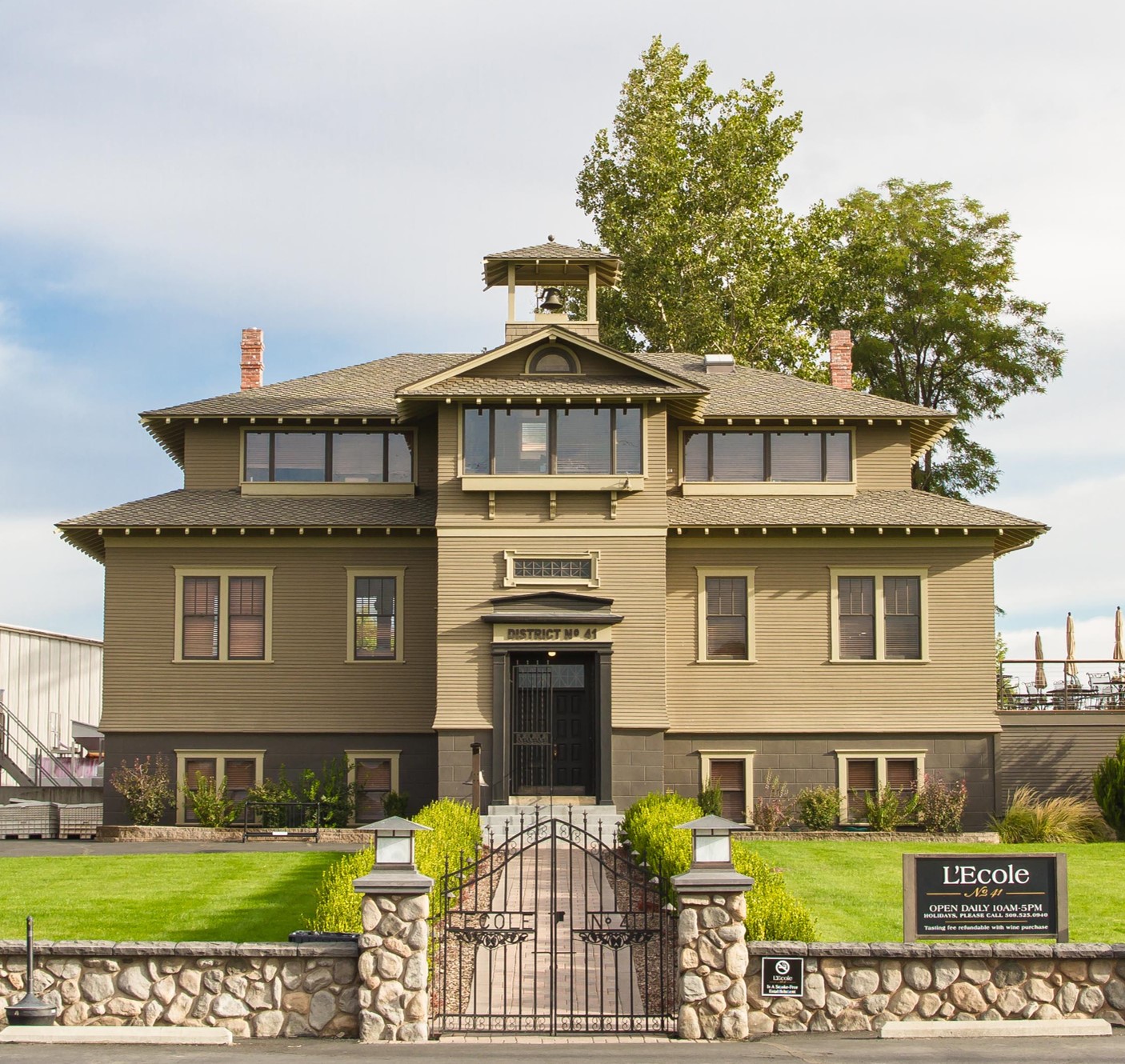
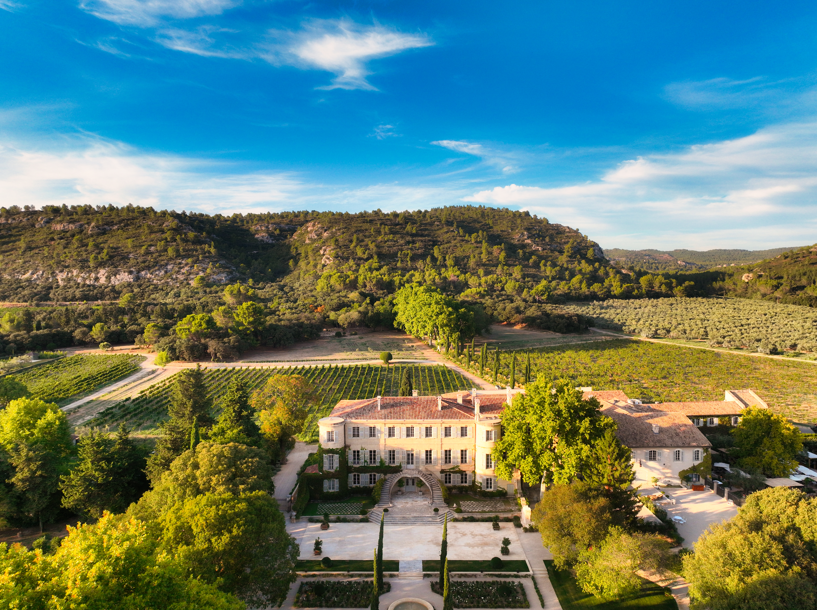
Slaughter now farms organically and biodynamically to honour that legacy.
At Château de Manissy, still owned by the Missionary Fathers of the Holy Family, winegrower Florian André credits monks with replanting vineyards after phylloxera and designing plots that maximise water retention, airflow and terroir expression.
Reviving indigenous varieties and ancient practices
At Familia Torres, global communications director Isabel Vea Barbany explains how, since the 1980s, the winery revived monastic wisdom in regions such as Conca de Barberà and Priorat.
Their Grans Muralles vineyard, planted starting in 1990, pays tribute to the twelfth-century Cistercians by cultivating indigenous and revived ancestral grape varieties such as Garró and Querol.
At Milmanda, once owned by the Monastery of Poblet, Chardonnay now stands as an emblem of medieval monastic influence brought from Burgundy.
Monastic insight versus modern technology
At Cantina Ratti in Barolo, the Benedictine Friars’ intuitive understanding of microclimate inspired Renato Ratti to make his first Barolo in their ancient monastery cellars.
At Valle Reale in Abruzzo, owner Leonardo Pizzolo is rebuilding ruined monastic cellars and farming with minimal technology, relying on wild ferments and ancient techniques.
Andrea Cecchi of Famiglia Cecchi in Chianti continues the work begun by monks more than 1,000 years ago, living in the monastery they once inhabited and preserving their holistic agricultural vision.
Who will safeguard this heritage?
Not everyone is convinced the modern wine industry can protect the legacy left by centuries of monastic stewardship.
Manissy’s vintner André worries that the culture the monks sustained is endangered, “Today, the fathers and monks are disappearing and foundations are inheriting the estates. The people managing them now, financiers, lawyers and others, are not from the agricultural world. Unfortunately, there is a gap between the energy once driven by them and today’s reality, even though I remain the guardian of their vision.”
The question lingers: can wine’s modern custodians preserve the terroir, traditions and philosophies first cultivated by monks whose patient observation shaped the world’s greatest vineyards?
Related news
Kenyan Catholic Church pilots new altar wine after old vintage becomes bar favourite


