



Château de Beaucastel’s redesign reflects a new era in vineyard architecture
The Perrin family estate has been recognised with the 2025 AMO Prize for its innovative, eco-driven cellar project — a sign that sustainable design is fast becoming integral to modern winemaking.
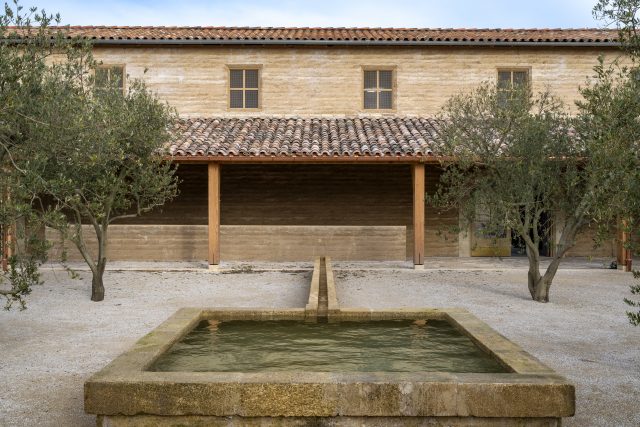
Château de Beaucastel has been awarded the 2025 AMO Prize for its ambitious architectural project, selected from 132 entries across France. The annual award, organised by the Architecture et Maîtres d’Ouvrage association (AMO), celebrates exemplary collaborations between architects and clients, highlighting innovation, quality, and environmental commitment.
The winners were announced in Paris on 3 November, in the presence of the jury, AMO members, and more than 300 professionals from the urban development sector.
Located around 20 kilometres from Avignon, the project was entrusted to Indian architect Bijoy Jain, chosen from 500 international submissions — including three Pritzker Prize laureates — in partnership with Louis-Antoine Grégo of Studio Méditerranée, specialists in eco-responsible construction.
A design rooted in nature
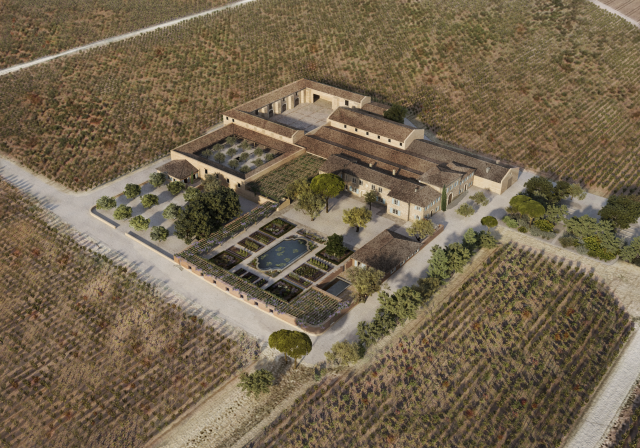
The Perrin family commissioned the project in 2021, seeking a design that reflected the estate’s values.
Partner Content

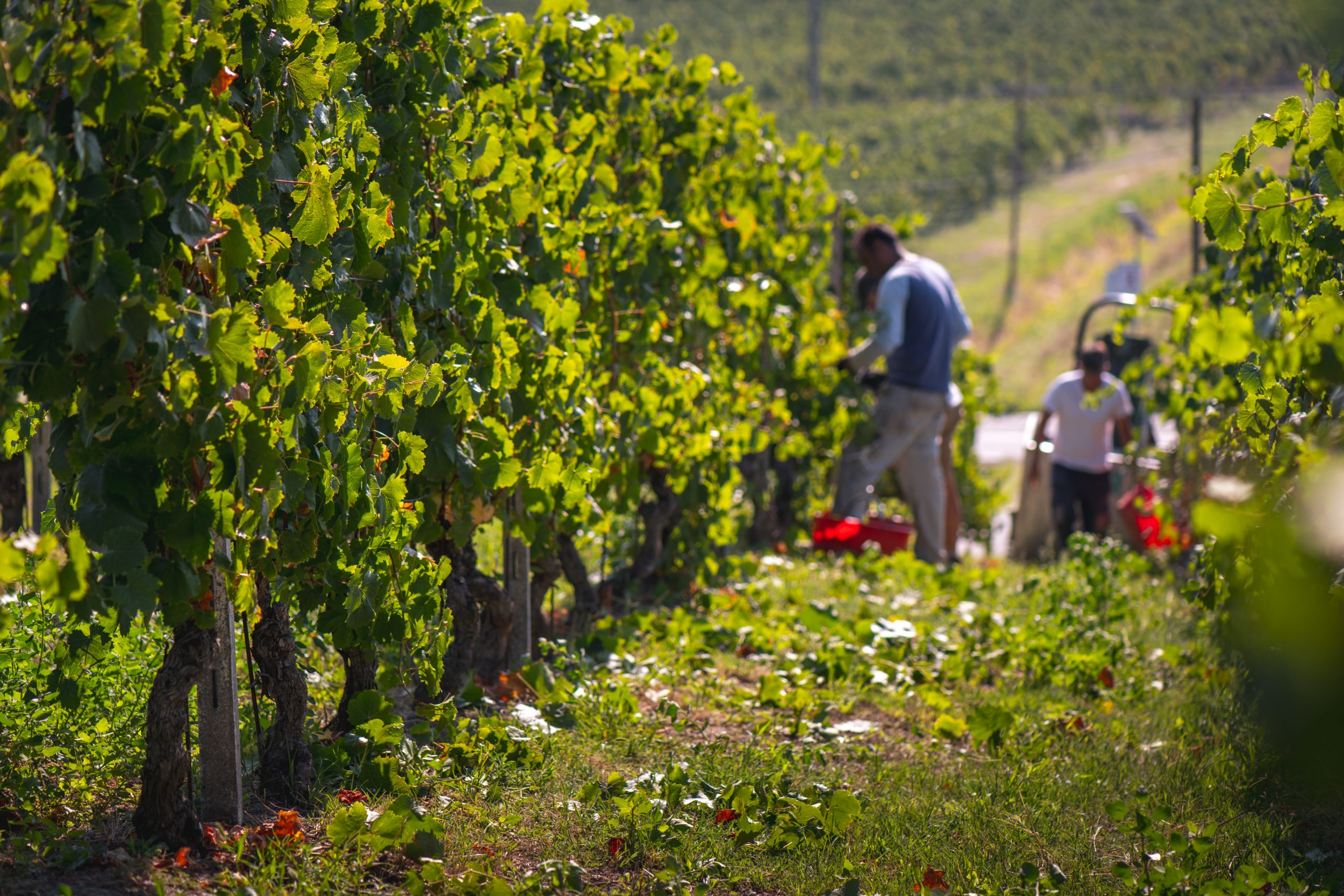
“We are a family, and this approach resonated deeply with our history. We were pioneers of organic and biodynamic viticulture in the region, and innovation is part of our tradition. We sought not a spectacular architectural gesture, but a profound ecological reflection in harmony with our values,” said Charles Perrin.
Jain, who describes his work as “a natural gestation of the landscape”, designed a structure integrated with its surroundings. The project includes 6,000 square metres of preserved buildings, 4,000 square metres of new underground cellars, and repurposed materials sourced from the site itself — including siliceous soils, pebbles, red clays, sand, and gravel.
Nearly self-sufficient energy system
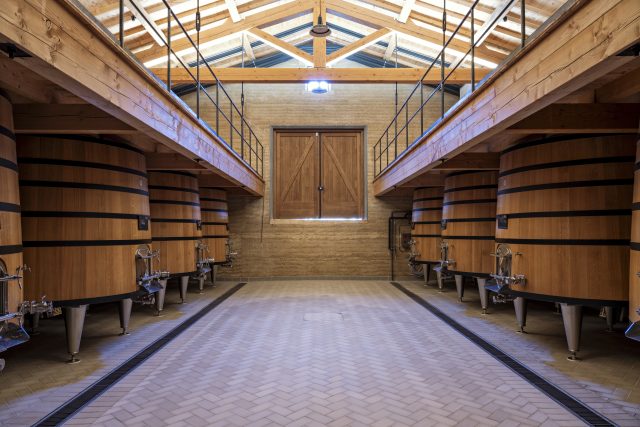
The new energy system relies entirely on natural resources such as rainwater, air, sunlight, and earth. At its core, a 2,000-cubic-metre basin, located nine metres underground, collects and filters rainwater. Air is circulated through wind towers, or puits provençaux, using the Mistral wind to naturally cool the subterranean vinification and storage spaces.
Operational in 2025, the new cellar is nearly 80% self-sufficient in water, electricity, heating, and cooling.
The AMO jury praised the project for uniting heritage, nature, and innovation — a “work both visible and subterranean,” reflecting Château de Beaucastel’s enduring legacy and forward-looking philosophy.
Related news
The stars of the September 'hors Bordeaux' releases part II - a 'wake up' for La Place


