



Latest release from Cuvage represents ‘pinnacle’ of Alta Langa
Cuvage, the traditional method sparkling specialist from Piedmont, has designed its latest release to show the region’s grapes and terroir without filter.
With sparkling wine a notable bright spot in the global wine market, drinkers are increasingly open to lesser-known regions and producers. Although the big three appellations – Prosecco, Champagne and Cava – lead sales, the market offers fertile ground for producers that previously flew under the radar.
One such winery that has capitalised is Cuvage. Piedmont is well known for its winemaking: Barolo and Barbaresco sit among the upper echelons of red wine terroirs, while Asti’s sweet semi-sparkling wines have international appeal. Cuvage, however, is flying the flag for metodo classico production, marrying the complexity of traditional method fizz with Piedmont’s local varieties.
Founded in 2011, Cuvage sources grapes from 86 hectares of vineyards, a carefully selected supply chain that maximises quality. It makes use of Piedmont’s famous hills, imbuing the grapes with the freshness and vibrancy needed for sparkling wine. Cuvage then vinifies the parcels in its modern winery in the ancient town of Acqui Terme.
As you might imagine for a Metodo Classico from Piedmont, Alta Langa DOCG features prominently. The appellation, inaugurated as a DOC in 2002 and upgraded to a DOCG from the 2008 vintage, builds on a long history of sparkling winemaking in the region, dating back to the early 1800s. It makes use of the world’s quintessential traditional method grapes: Chardonnay and Pinot Noir.
Local superstars, however, have not been forgotten. In its 14 years of production, Cuvage has offered distinctive takes on Piedmont’s native varieties. Its take on the region’s most famous fizz is truly distinctive: the Metodo Classico Asti Millesimato has both the gentle fruit and floral aromas of Moscato, and the subtle bready notes of lees ageing in the bottle.
Piedmont’s most famous black grape has not been forgotten either. The winery’s Nebbiolo d’Alba DOC Brut Rosé presents much of the spice, red fruit and baked aromas metodo classico rosé might offer, alongside the rose aromas that are distinctly Nebbiolo. In a market where regional specialities are increasingly prized, it is a canny move.
The pinnacle of Alta Langa
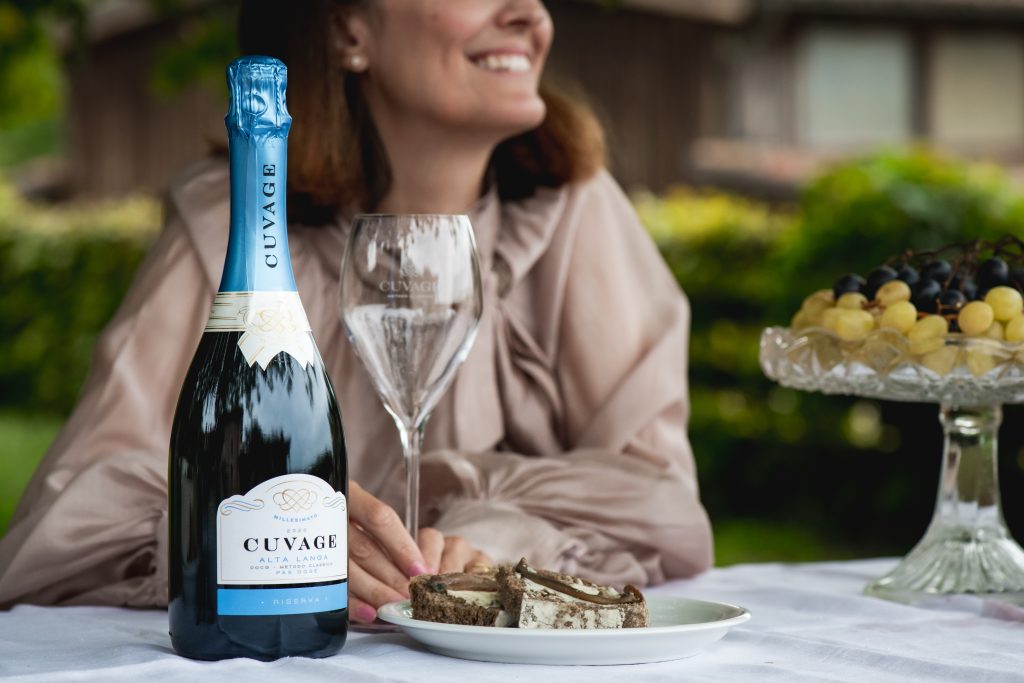
With Cuvage’s latest release, however, the winery is focusing on Alta Langa DOCG, with a release that aims to express Piedmont’s metodo classico potential in its purest form. Limited to just 5,000 bottles, Alta Langa DOCG Riserva Pas Dosé 2020 is described as ‘the pinnacle of the maison’s winemaking project’.
There is care evident from the very beginning. The Pinot Noir and Chardonnay grow between Strevi and Castino, in a complex network of hills and valleys that can reach 400 metres in elevation. Those slopes have grey-white marl soils with high limestone content, the sort of free-draining soils prized by viticulturalists.
In mid-August, the grapes are hand-harvested in whole bunches by experienced workers. That enables a gentle and controlled pressing, designed to preserve both aromatic purity and structural integrity in the grapes.
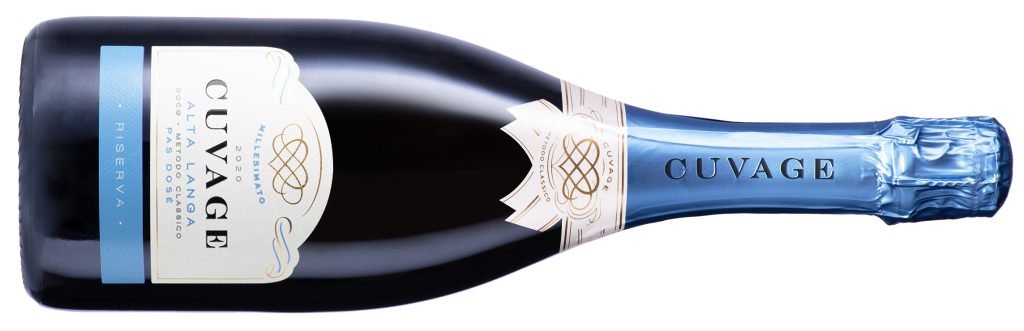
Fermentation takes place in stainless steel, and the wine undergoes no malolactic conversion. The thinking is to avoid masking or filtering the style, instead expressing the purity of Alta Langa fruit and terroir.
Indeed, that approach carries through to the close. After 48 months spent bottle ageing on the lees, no dosage is added, ensuring that sweetness does not mask the wine’s natural character.
Its winemakers praise its pairing potential: suiting raw seafood, oysters and tuna tartare, but also white meats in sauce or shellfish in butter. Its notes of citrus, white flowers, ripe fruit, and hints of pastry lead them to that conclusion, but above all the vibrancy, underpinned by bright acidity, and the saline finish show it as the zenith of Cuvage’s winemaking.
Related news
The highlights of the hors Bordeaux 2026 Spring collection
Santiago Marone Cinzano: 'my generation wants wines that are ready to drink'
Raise a glass to Cabernet excellence: enter The Global Cabernet Sauvignon Masters 2026


