



Old enough to vote but not to drink? A question of age and responsibility
James Bayley asks whether the UK’s decision to lower the voting age to 16 exposes an inconsistency in how society defines adulthood, particularly when it comes to alcohol. If 16-year-olds are trusted to help shape the nation’s future, should they also be trusted to order a pint?
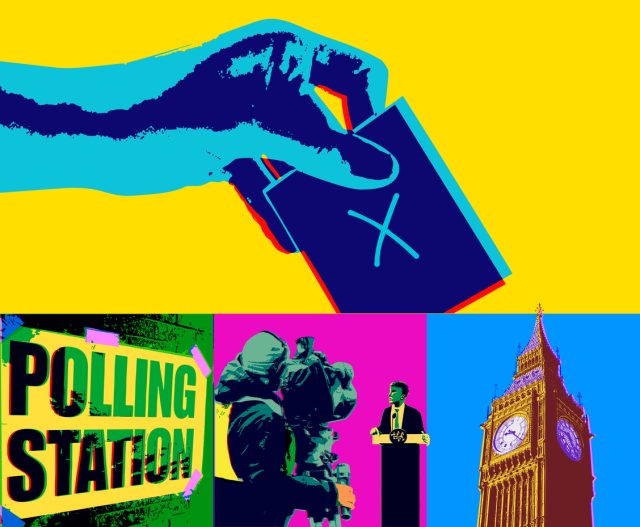
The government’s decision to lower the voting age to 16 has been described as a “seismic” change to modernise democracy, according to the BBC. It brings Westminster in line with Scotland and Wales, where 16- and 17-year-olds already vote in devolved elections, and follows arguments that many young people already work, pay tax and even join the armed forces.
This shift creates an immediate inconsistency. A 16-year-old can now vote, work full-time, consent to sexual relationships and drive a moped, yet still cannot legally buy alcohol, tobacco or even a National Lottery ticket. The previous alignment of voting and drinking at 18 has been broken, and some, including Conservative opposition figures, argue all adult rights should come “as a package” rather than piecemeal.
Why alcohol is different
The drinking age of 18 is no accident. According to Drinkaware and the UK’s chief medical officers, alcohol is risky for teenagers because brains and livers are still developing and early drinking increases the chances of addiction and harm. Official advice is clear: an “alcohol-free childhood is the healthiest and best option” and, if teenagers do drink, it should be infrequent and under supervision.
These are important points which draw on biology rather than judgement. Voting, by contrast, carries no immediate health risk. If 16-year-olds are now trusted to influence national policy, we are implicitly saying they have the maturity to handle responsibility. Which begs the question: are alcohol restrictions about protecting bodies, or about mistrusting minds – and what’s the difference?
The case for cultural trust
Part of the argument for 18+ drinking is behavioural. Teenagers are, we are told, prone to binge drinking and risky behaviour. But youth culture is changing. NHS data shows the proportion of 11–15-year-olds who have ever had a drink has fallen from half in the early 2000s to just over a third today. Today’s teenagers are far more likely to sip an energy drink than a pint.
Partner Content
If the drinking age was historically built on fears of teenage bingeing, those fears look increasingly dated. Could lowering the age actually normalise drinking in a healthier way, as it has in parts of Europe? Some cultures, particularly in Mediterranean countries, introduce wine or beer at the family table early, demystifying alcohol and arguably producing more responsible drinkers. By contrast, many people of my generation (Millennials) grew up drinking at house parties or in public parks, below the age of 18.
So is it inconsistent?
Different ages for different things are nothing new. We allow people to drive at 17, marry at 18, join the army at 16 and smoke only at 18, all of which come with risks. Alcohol is unique because it alters behaviour and has an immediate impact on health.
Yet there is still something jarring about handing teenagers the keys to a car, or democracy, while withholding the keys to the drinks cabinet. We trust them to decide who runs the country, but not whether to order a pint. There is a danger that this makes the law look arbitrary, not protective.
Could there be a middle way?
One option might be graduated access: expanding supervised drinking rather than full rights at 16. Britain already allows 16- and 17-year-olds to drink beer, wine or cider with a meal if an adult is present. Some European countries keep spirits and takeaway sales for 18 but allow lower-strength drinks earlier. Combined with proper education on alcohol, this could prepare young people for full access at 18 in a more controlled way.
Public opinion tends to favour coherence: if we declare 16-year-olds responsible enough to shape the future, how long before they demand the right to toast it?
Related news
App to help reduce alcohol intake could save NHS £500 million


