



Château Galoupet unveils organic ‘G’ rosé in one of world’s lightest bottles
Château Galoupet has launched its 2024 organic rosé, G de Galoupet, in a 300g recycled glass bottle – one of the lightest in the world – as it opens its new visitor centre and builds on the age-worthy reputation of its Cru Classé range.
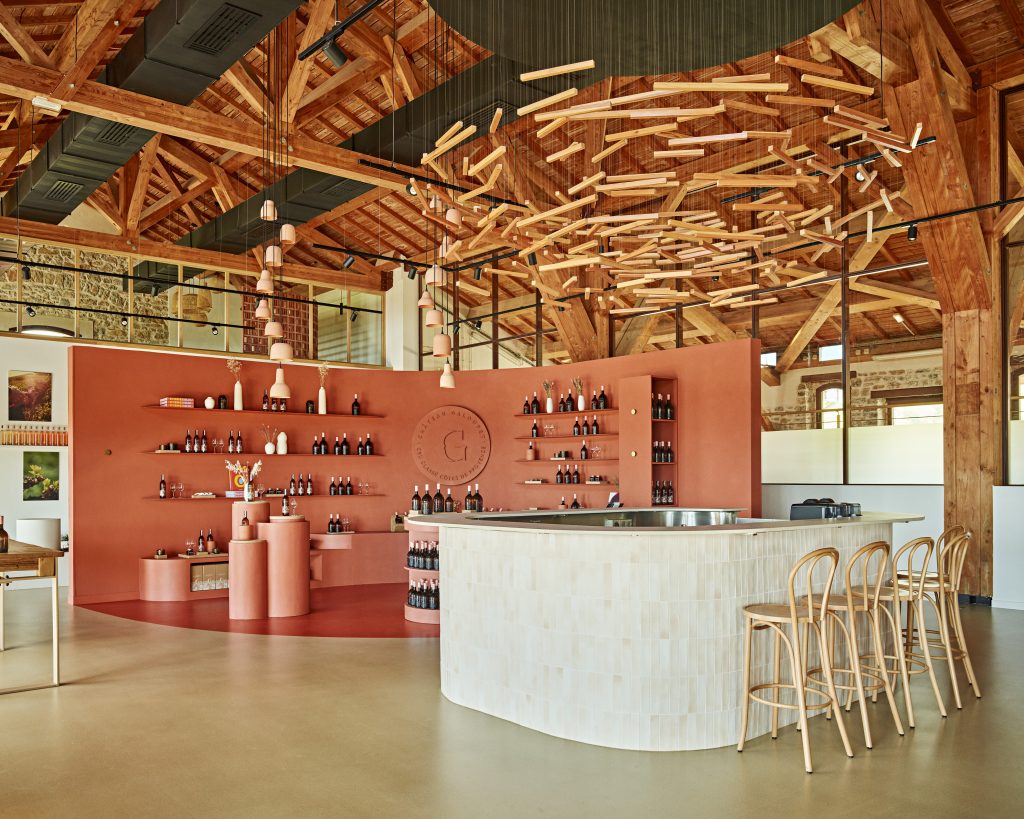
Château Galoupet, a Cru Classé estate in La Londe-les-Maures, Provence, has released its latest organic rosé: G de Galoupet 2024. Bottled in one of the world’s lightest glass bottles at just 300g and made from 85% recycled glass, the bottle delivers a carbon footprint 50% lower than standard and recently won a Gold Medal at the 2024 Global Rosé Masters.
The launch of G de Galoupet forms part of a wider sustainability drive at the estate, which is certified organic and owned by Moët Hennessy. The bottle contains no plastic or aluminium components, uses a recyclable paper label, and is printed with organic ink.
“Our new G de Galoupet presents a perfect balance of freshness, gourmet, and delicacy. It captures the essence of the 2024 vintage and the Provençal terroir,” said estate director Mathieu Meyer.
Following generous spring rains and a dry, hot summer, harvest began on 14 August. Grapes were picked at night and pressed at low pressure, then fermented in stainless steel and aged on fine lees.
The blend of 60% Grenache, 15% Cinsault, 10% Rolle, 10% Syrah and 5% Tibouren (the estate’s signature variety) results in a rosé with grapefruit and tropical fruit notes on the nose, and a silky, saline, fruity palate. G de Galoupet 2024 is available from Ocado, Jeroboams and Laithwaites at RRP £22.50.
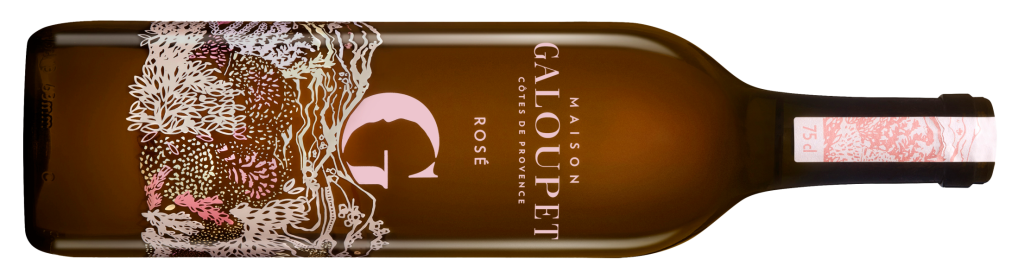
Sustainability and biodiversity at the core
The estate’s 69 hectares of vineyard are surrounded by 77 hectares of protected woodland, creating a diverse ecosystem that directly benefits vine health and resilience. Château Galoupet is home to 200 beehives and one of just 12 queen bee fertilisation stations in the world, working in partnership with the Observatoire Français d’Apidologie to study the impact of pollinators on the wider estate.
Although vines are self-pollinating, bees support biodiversity by enabling the reproduction of surrounding flora. “Having a rich ecosystem is key to crafting great wines,” said Meyer.
The presence of protected woodland contributes to natural pest control and disease resilience. “If the ecosystem is particularly rich, it will naturally host species which can reduce the population of vine pests,” Meyer explained. He also highlighted cover cropping as an especially effective regenerative technique, improving soil structure and boosting microbial life.
Cru Classé 2024 builds on age-worthy style
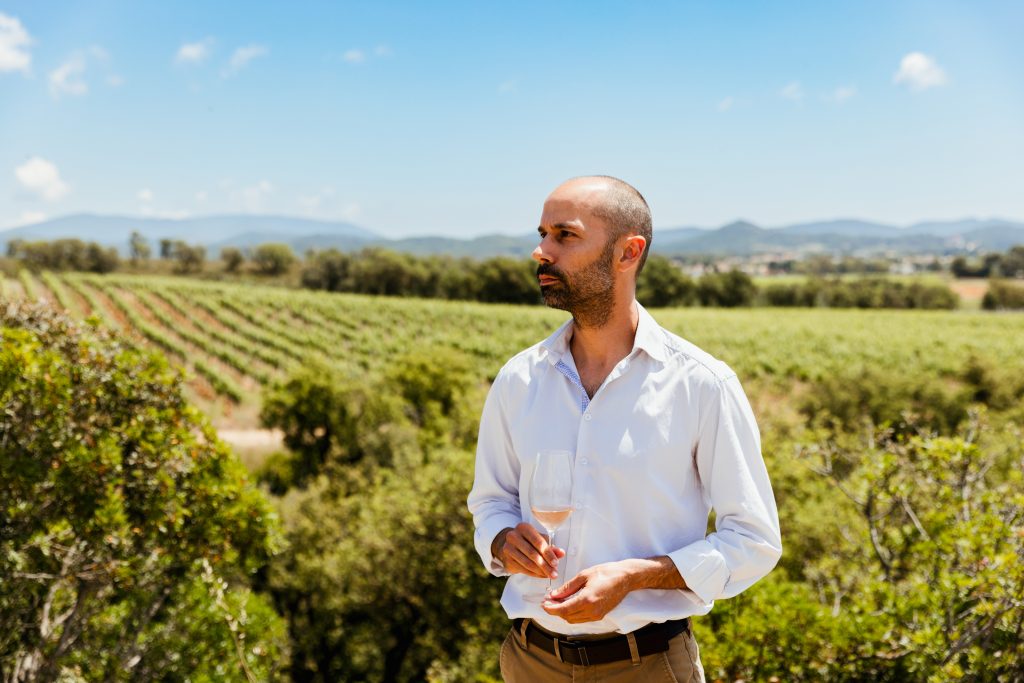
Also newly released is Château Galoupet Cru Classé 2024 (RRP £52.00 at Jeroboams; £47.00 from Hedonism and Amathus). Crafted entirely from estate-grown fruit and aged partially in oak, the wine blends 45% Grenache, 17% Tibouren, 18% Rolle and 20% Syrah. Fermentation took place by individual plot in stainless steel and 600L barrels, with five months’ bâttonage for the barrel-fermented lots.
The resulting wine, described by Meyer as showing “rich fruits, a silky texture and a crisp finish,” is designed to age. Both the 2022 and 2023 vintages have demonstrated development in bottle, gaining texture and complexity. The 2023 vintage was awarded the highest score for a Provence rosé by Bettane & Desseauve, underlining the wine’s long-term potential.
New hospitality space now open
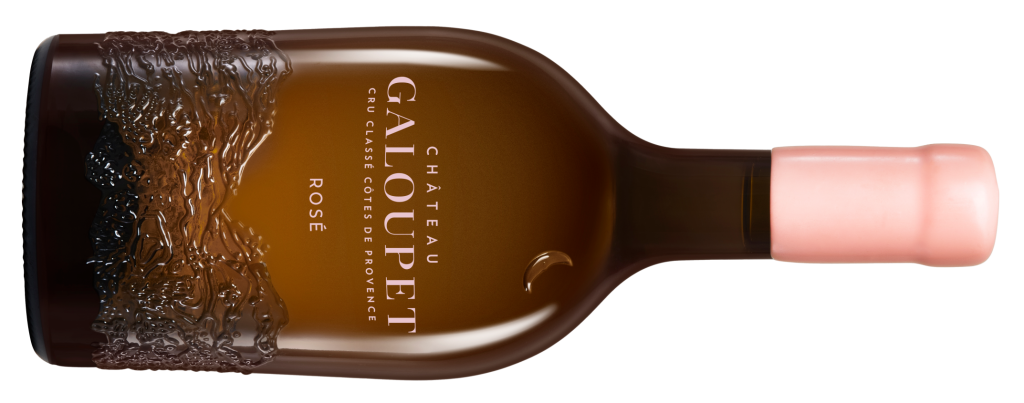
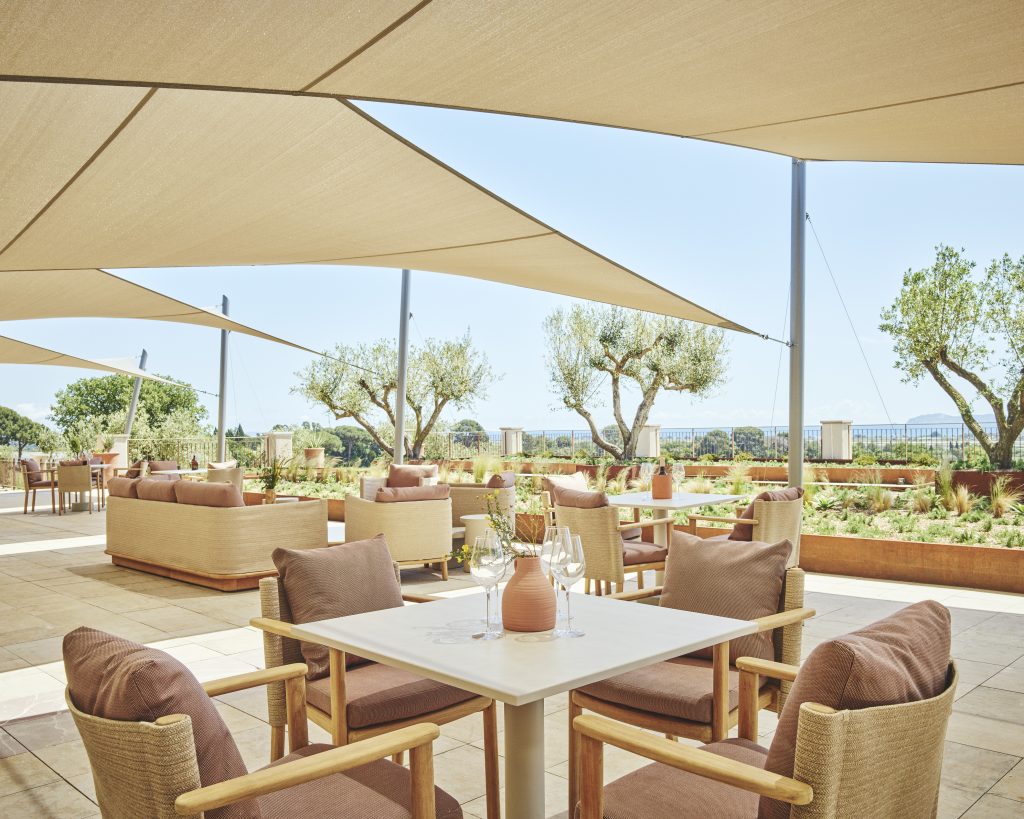
Château Galoupet’s new visitor centre is now officially open. The Provençal-inspired hospitality space, designed with upcycled materials and regional craftsmanship, offers wine tastings, vineyard tours and light refreshments on a terrace overlooking the salt pans and the Mediterranean. Its activities can now be booked through the château’s website.
A boutique on-site presents the estate’s wines alongside locally produced, sustainably sourced goods, including honey from Galoupet’s beehives and candles housed in recycled wine bottles.
The visitor experience is designed as an immersion into the estate’s environmental commitments and terroir, with guided walks through both vineyard and woodland. Guests can explore the indigenous biodiversity of Provence and the estate’s regenerative practices, culminating in a tasting with locally paired food.
Related news
Here’s why ProWine’s 2026 Asia fairs deserve a spot on your calendar
'Consumers deserve to know what they're buying': Essex police seize 67,000 bottles of fake wine


