



Red wine grape pulp offers big nutritional benefits
Viticultural leftovers have been hailed for having some big nutritional benefits linked to gut health according to a new scientific study.
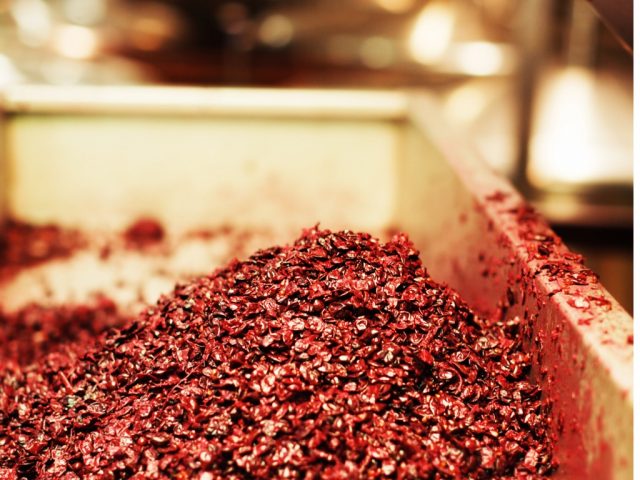
Researchers from Cornell University have found that pomace – the mashed, leftover pulp from red grapes – contains beneficial molecular compounds that can have a healthy effect on the human intestines and stomach.
“This byproduct of making wine has important potential,” Elad Tako, associate professor of food science in the College of Agriculture and Life Sciences revealed in the ScienceDaily research journal.
Partner Content




“If we can use the pomace to either extract key compounds or use them as a dietary ingredient to fold into food, then grape pomace can be a very sustainable source of nutritional compounds with demonstrated health benefits,” he explained.
As part of the study, the research group screened red grape varieties typically found in the Finger Lakes Region of New York, where a robust winery economy exists. The team used Vitis vinifera (wine grapes), Vitis labruscana (Concord grapes) and an interspecific hybrid, to associate the findings with practical dietary health benefits of grape and grape product consumption.
Tako revealed that he and his team have “been working with polyphenols (plant-based nutritional compounds) and have become “intrigued by previous research that suggested that bioactive compounds – such as resveratrol in red wine – have cardiovascular and other health benefits.”
Related news
Master Winemaker 100: Cynthia Ortiz
Château du Tertre partners with Ulysse Cazabonne to launch 'iconoclastic' white blend


