



Timberyard somm: ‘Since finding sobriety, my palate has never been stronger’
After a “full blown” overdose, Jo Radford, sommelier at Michelin-starred Timberyard, went sober. Six years on, he says the decision has not only transformed his life, but sharpened his palate and strengthened his craft.
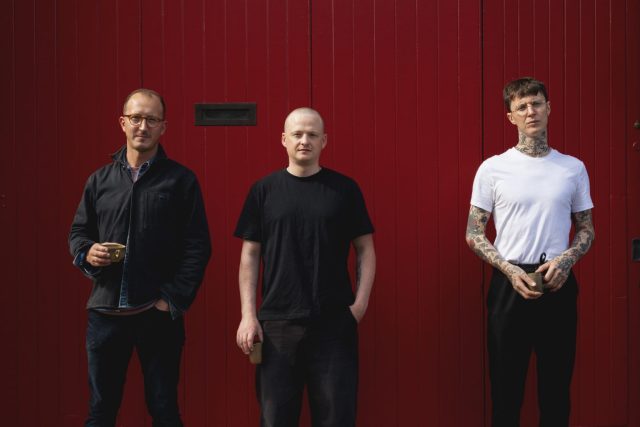
Alcohol consumption is famously declining, with nearly a quarter of adults in England now abstaining entirely, according to recent NHS data, and the hospitality industry is no exception. At the same time, growing awareness around mental health has helped shift long-entrenched drinking cultures within the trade.
For a new generation of drinks professionals, including sommeliers like Radford, sobriety no longer has to mean stepping away from the industry altogether. Instead, many are choosing to stay, reshaping both their careers and the culture around them.
In some ways, Radford tells the drinks business, it’s a strange place to be in; selling a product that you’re not consuming yourself. But while Radford doesn’t drink alcohol, he still tastes it, and thinks this gives him a unique edge. “Since finding sobriety, my palette has definitely been keener and stronger,” he says. “When you’re drinking, not always but quite often, you get into a certain lifestyle that doesn’t necessarily create a healthy palette.”
Radford has been sober for more than six years, after he was rushed to the hospital three times over the course of one summer due to substance abuse. After a “full-blown” overdose, the sommelier seriously questioned his life choices. “It was a pretty clear and quick decision that alcohol and associated substances needed to go.”
Today, at Timberyard and Montrose, Radford has curated wine lists featuring “probably the deepest collection of natural wine in the UK. He’s open with sharing his journey. “It’s important, particularly in this industry, to chat about it,” he says. “It’s important in terms of my recovery, and in breaking that stigma that comes with sobriety.”
A 2023 survey by The Caterer found that 97% of hospitality professionals believe alcohol and drug misuse is a problem within the industry, with more than half describing its combined impact as having reached “worrying” levels. Support networks such as The Burnt Chef Project and The Drinks Trust are now working to confront the crisis head-on, offering mental health support and practical assistance to those in need.
Six years ago, however, the conversation looked very different. “There were a lot of people in the circles I was in that were probably drinking and using in excess to escape certain things, but the act of finding sobriety wasn’t spoken about that much,” Radford looks back.
But today, “as a result of a shift in general outlook and mentality surrounding alcohol, more and more people are making similar decisions”, says Radford, with more and more people “drinking less, taking time off or complete abstinence”.
Partner Content
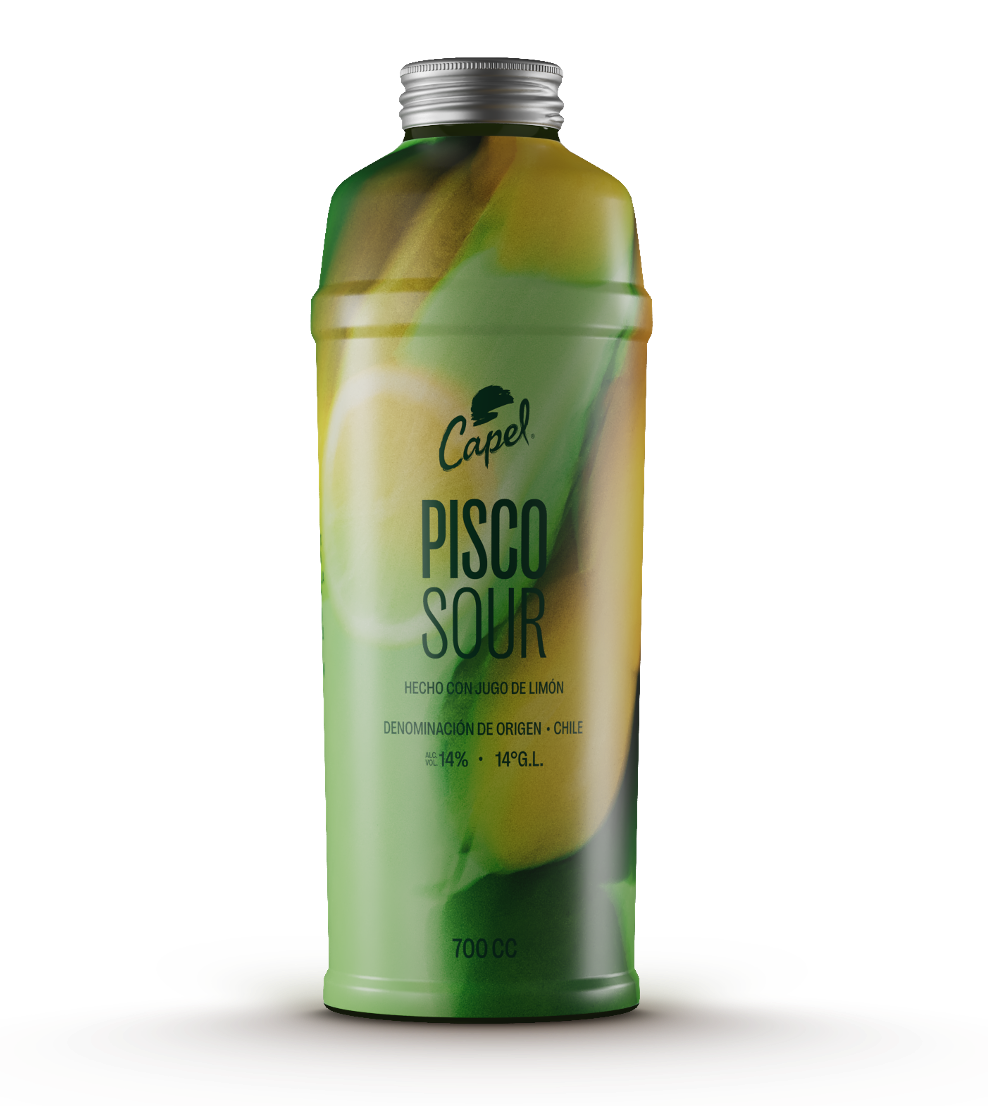
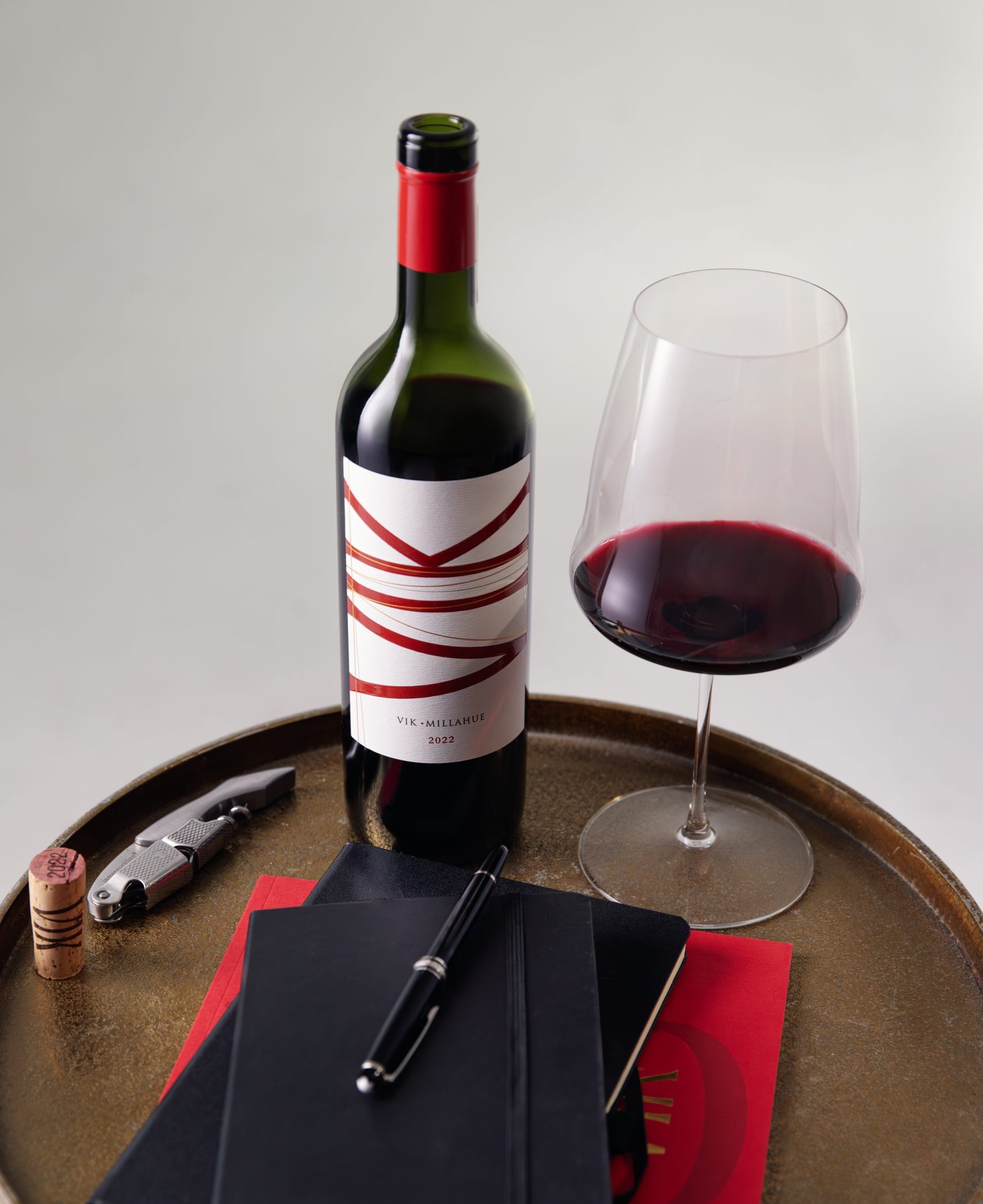
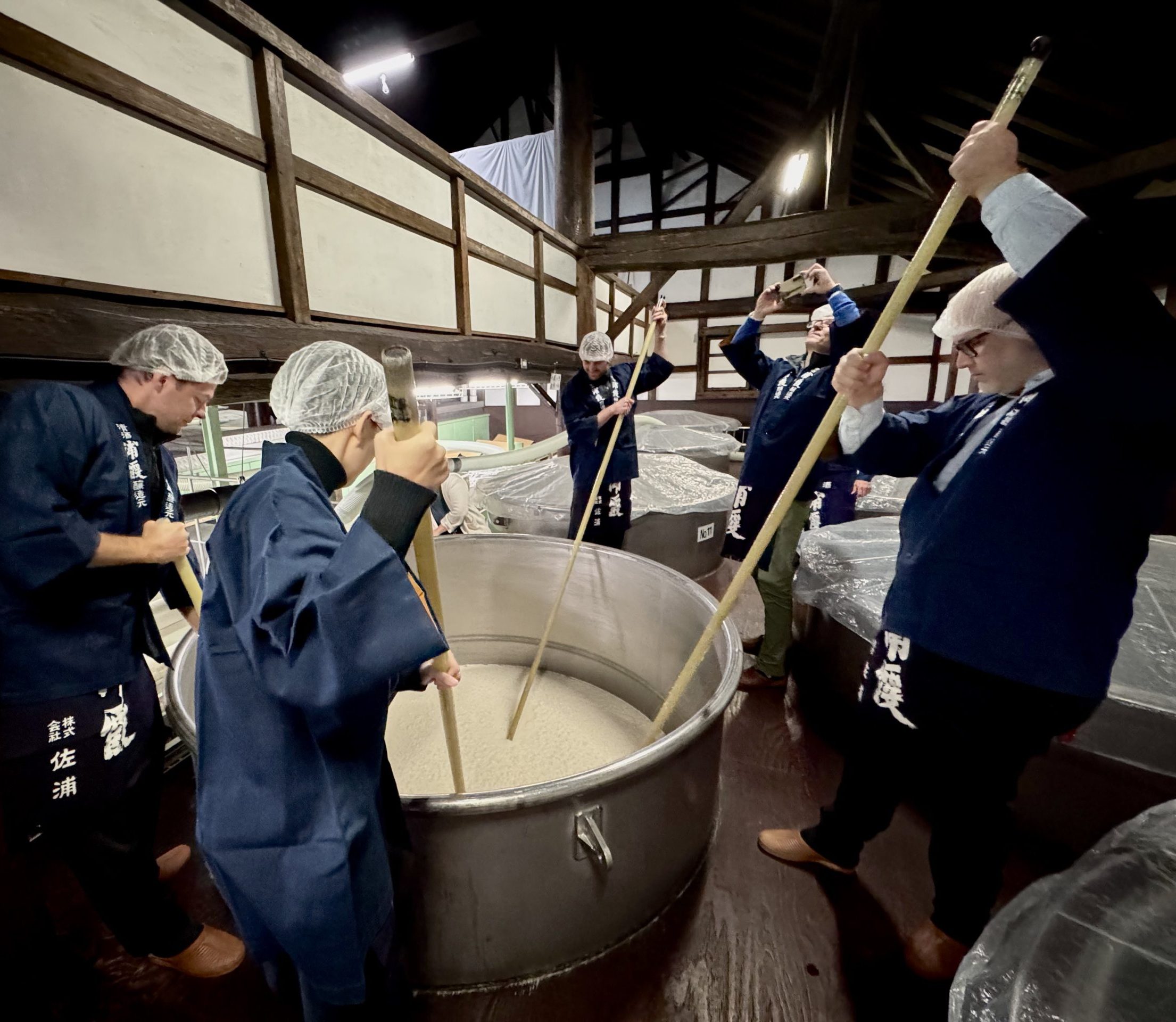
There weren’t many teetotal somms around to look up to when Radford began his sobriety journey. But his father, Andrew Radford, who has been sober for around 10 years, was a huge inspiration.
That’s one reason why non-alcoholic drinks have been a focus at Timber Yard since it was founded in 2012 by the Radford family. Soft drinks are made in house, with Radford keen to provide options for those abstaining from alcohol outside from “overly sweet, carbonated” drinks.
Timber Yard actually featured a non-alcoholic pairing on its menu around nine years ago, but Radford found much of it was going to waste by the end of the week. “Because we weren’t having the associated sales, we figured out certain preservation methods that enabled us to get to a point where we could offer that experience with zero waste,” he says.
Today? “Those sales have never been stronger to the point where those preservation methods almost aren’t necessary.”
It’s part of a broader interest in low and no alcohol products, spurred on by lifestyle choices and consumers looking to save cash. Radford points to that shift when he says: “There’s a shift in the way people are enjoying alcohol, and we see it in the restaurants to a degree, where people are maybe drinking less, but willing to spend more.”
What advice does he have for drinks industry professionals wanting to cut down on drinking? “It’s a difficult one,” he admits, with a certain stigma attached to addiction support groups. “You may not be able to relate to everyone there,” he continues. “Working with alcohol and going to those groups is quite confronting, not just for the individual going but for the others who are already there.”
But, he advises, there are “many ways to skin a cat”. For Radford, what helped in finding sobriety was keeping his mind and body occupied, and talking about it a lot.
Separating his profession from leisure was also key. “Through this compartmentalising of work to pleasure, you can still find a way to work with alcohol, even in the face of addiction issues, in finding a way to set that into a ‘work state of mind’, as opposed to it being purely for pleasure.”
And from his road to recovery, one piece of advice has stuck with him: “Those that mind don’t matter, those that matter don’t mind”. Some might judge, with hospitality’s problems with alcohol still deeply entrenched. But attitudes are shifting, and the industry’s attitude towards drinking is finally evolving for the better.


