



Felix Solis: UK ‘central to long-term strategy’
Rising inflation, crippling wine duty and negative narratives around alcohol consumption are significantly impacting the UK wine market. But while many brands are fighting to stand still, Felix Solis is forging ahead.
The Spanish wine giant reported record global growth in 2024, with profit up 16% and revenues rising 5.2% to surpass €400 million. Total company revenues are expected to have grown by a further 4% in 2025. This is at a time when global wine consumption is in structural decline and the IWSR is forecasting a 1% drop in global still wine consumption per year through 2028.
“Growing globally for two consecutive years in this environment is a strong validation of our model,” says Richard Cochrane, managing director of Felix Solis Avantis UK Ltd. “Our scale, vertical integration and brand focus allow us to stay competitive even when the category is under pressure.”
The UK remains the company’s most important single market and is “central to its long-term strategy”, says Cochrane, but is facing one of the “toughest trading environments” in decades. “With UK wine duty now the highest in Europe, combined with sustained consumer cost-of-living pressure and shifting global health messaging, the category is under real structural strain. Consumers haven’t stopped drinking wine, but they are making much more considered choices. That plays directly into brands that can deliver trusted quality, consistency and value.”
Building a brand
Felix Solis’ Mucho Mas brand has emerged a stand out performer. Now recognised as Spain’s fastest growing wine brand (IRI Cicana, 2025), it is also one of the fastest-growing wine brands in the UK and now has more than 111,000 consumer reviews on Vivino, with an average rating of 4.1 out of 5. “When over 100,000 consumers take the time to rate a wine at 4.1 stars, that tells you something very powerful about repeatability and satisfaction,” says Cochrane. “That consumer endorsement has been one of our strongest assets.”
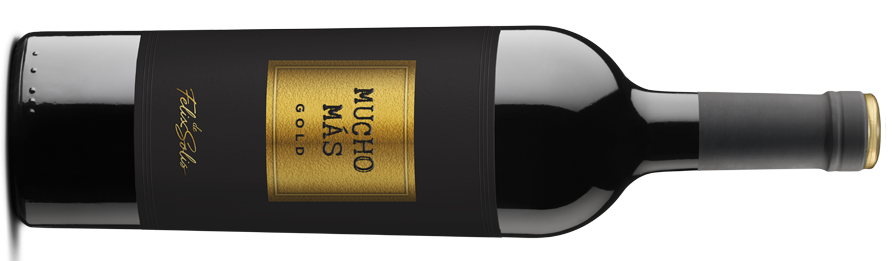
The core Mucho Mas range includes a ‘Red Blend’, ‘Black Edition’ and ‘Gold’, alongside a sparkling white, sparkling rosé, still white and still rosé. Last year it extended the range with a Mucho Mas Merlot. Looking ahead, growth will focus on distribution expansion, format innovation and continued quality enhancement, says Cochrane. “We see significant headroom in the UK. Our priority is to grow responsibly, protect the brand’s equity and ensure that every new listing performs sustainably.”
Efficiency and scale
Ongoing vertical integration of the company’s supply chain is also fundamental to protecting its margins, says Cochrane, as fragmented models become less effective. “In a market where tax has risen sharply and consumers are under financial pressure, operational efficiency is not optional – it’s fundamental. Our scale and vertically integrated model allow us to protect value while maintaining quality. That balance is critical to ongoing success.” Vertical integration allows Felix Solis to control production, bottling, energy sourcing and logistics within one aligned structure. “It also allows us to invest strategically across the business rather than relying on third-party capacity,” he adds.
Last year the company made a significant expansion into Asia Pacific markets, securing new direct-distribution agreements for its Viña Albali brand in Thailand, Japan, South Korea, Mongolia and Taiwan. And in 2024, made its first winemaking foray outside of Spain, opening a €45 million (£38m) winery in Chile that is now “hitting its stride”, says Cochrane. The Viña Casa Solís, in the Cachapoal Valley, completed its first vintage in 2024.
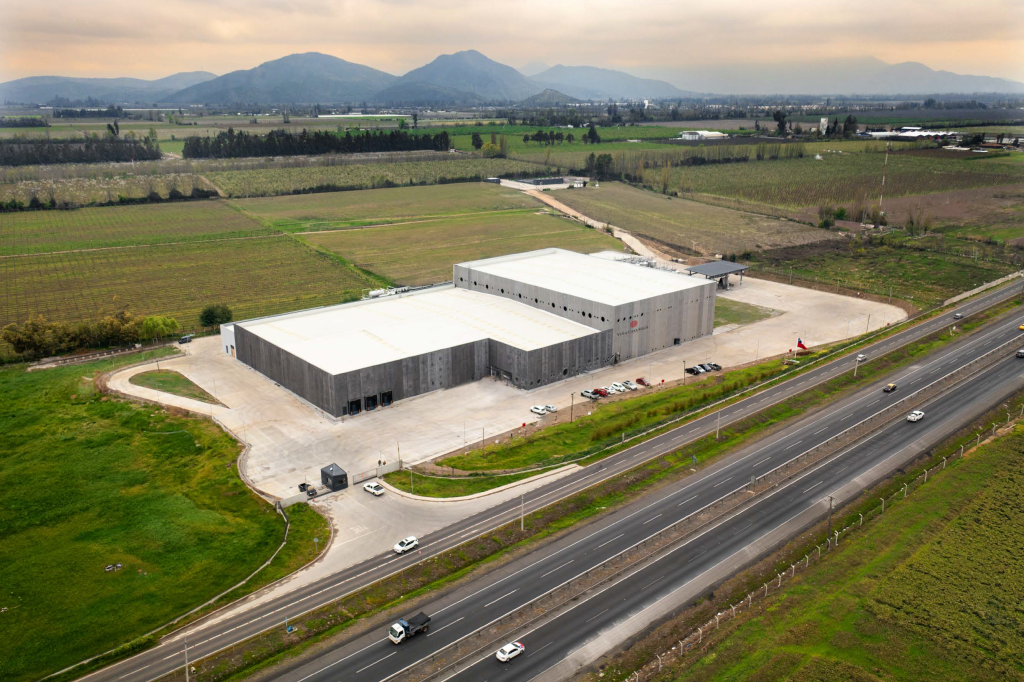
While the intention is to bolster Felix Solis’ international presence, it has also helped even out supply issues following a “challenging” 2025 Spanish vintage with yields 20% lower than average. “Climate volatility is now a structural reality for wine,” says Cochrane. “Our multi-origin model is designed specifically to manage that risk. We’re now seeing Chile hit its stride. The 2025 vintage quality is excellent and gives us real confidence in the long-term role the winery will play in our global supply.”
Developing priorities
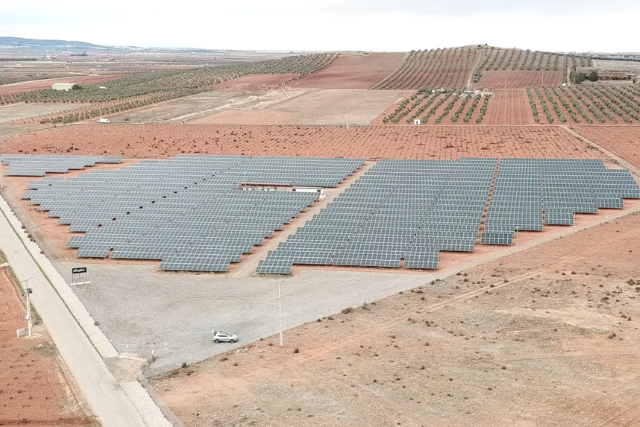
This year the company gained the Sustainable Wineries for Climate Protection (SWfCP) certification for its headquarters and winery in Valdepeñas, where it has launched a new solar farm. The facility joins two existing photovoltaic installations and supports the company’s goal of self-generating up to 25% of its total electricity consumption. “For us, sustainability isn’t a marketing exercise, it’s operational,” adds Cochrane. “Lower weight glass, renewable energy and self-generation all reduce cost and carbon simultaneously.”
Global wine markets are under pressure as consumption declines and consumption patterns shift, but Cochrane is confident that strong brands, efficient supply chains and genuine value will win out. “Businesses that adapt – operationally and culturally – will continue to grow. We believe we are positioned to be one of them.”
Related news
Key week for Bordeaux en primeurs as pace quickens
'Impressively fresh' 1892 Château d'Yquem found under chapel floor
Vinexpo Hong Kong holds steady as appetite for Asian markets grows


