



Pubs bustling in January despite drop in drinking
UK hospitality venues were busy in January, despite customers drinking less after the Christmas period, according to new data from The Oxford Partnership. CEO Alison Jordan says that while engagement “remains strong” operators are finding it harder to convert footfall into volume and profit.
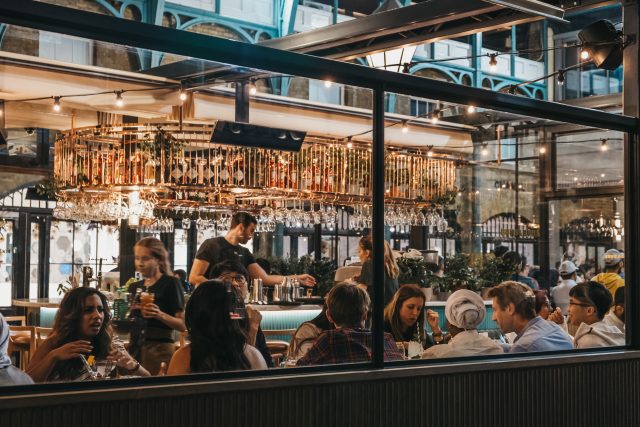
Analysis from The Oxford Partnership found that venue occupancy rose to 64.2% at the start of the year, while average dwell time held at 150 minutes, a level usually associated with festive trading.
The number of operating venues also remained broadly stable despite ongoing cost pressures.
However, while footfall and time spent in venues remained robust, overall drinking intensity fell sharply compared with December. Total volumes declined by 18.2% month-on-month, reflecting the end of festive celebrations and the impact of Dry January. Year-on-year, volumes were up by 1.4%.
Average spend per head reached £26.74, driven largely by growth in food-led occasions and higher operating costs. Food spend per head rose to £31.85, while drink spend ticked up more slowly.
Partner Content



Slower and selective drinking
“January reflects a clear shift in how people are using hospitality venues,” said Alison Jordan, CEO of The Oxford Partnership. “Consumers are still prioritising social experiences and longer visits, but they are drinking more slowly and more selectively. Engagement remains strong, yet operators are finding it harder to convert that footfall into volume and profit.”
The report highlights what it describes as a widening gap between engagement and consumption, with venues attracting customers but selling fewer drinks per visit.
Performance varied across drinks categories. Stout recorded growth of 11.1% compared with the same period last year, while world lager and premium lager remained in modest growth. Core lager, premium 4% lager and ale continued to decline, reflecting what the report describes as increasingly selective consumer choices.
Looking to 2026
Alison Jordan added: “The message for 2026 is clear. Venues that succeed will be those that maximise longer visits through food, premium products and strong experiences. With margins under pressure from rising costs, simply being busy is no longer enough.”
The data comes from The Oxford Partnership’s Market Watch report for February 2026. Draught volume data was powered by Vianet, whose Beverage Metrics platform tracks real-time draught performance across the sector.
Related news
Goedhuis Waddesdon: ‘there is appetite for fine wine among the younger generation’
Fine wine market stabilised during H1 as US buyers 're-engaged'
Goedhuis Waddesdon post-merger 'genuinely excited about the future'


