



South Tyrol: the Alpine wine destination quietly doing it all
As wine regions look beyond the cellar door to attract new audiences, South Tyrol shows how tourism, infrastructure and premium wines can work in lockstep.
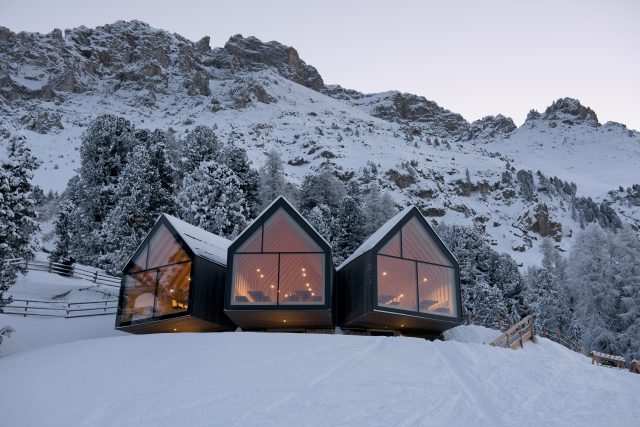
For years, the French Alps have dominated the winter travel imagination: high-octane après-ski, Champagne sprays and the now-familiar rosé-fuelled scenes of Folie Douce. South Tyrol, by contrast, has largely flown under the radar. And yet, for travellers (and wine lovers) seeking a more considered version of Alpine luxury, it may be one of Europe’s most compelling, if understated, destinations.
Tucked into Italy’s northernmost corner, bordering Austria and Switzerland, South Tyrol (Alto Adige/Südtirol) offers a rare convergence of wine, food, culture and mountain access, paired with a level of hospitality that prizes detail and practicality over spectacle. It is a region where skiing, city life and serious wine culture coexist with surprising ease, and often within the same day.
A city base with mountain access
Bolzano is the capital at the core of this appeal. Compact, historic and culturally layered, the city offers the buzz of cafés, wine bars and museums, while remaining within 30 minutes of major ski areas. For visitors, that proximity allows for a hybrid holiday: mornings on the slopes, evenings in the quaint city, and aperitivo hours that rarely feel rushed.
Hotels such as Parkhotel Mondschein, located in the centre of Bolzano, exemplify this duality. The 18th-century building has been carefully preserved by the Alto Hotel Group, Rossana De Sanctis, hotel manager told db. She explained that the groups’ stated mission is to respect the property’s history while maintaining its “old-school atmosphere”. The result is a space that feels rooted rather than retrofitted, with classic, chic Italian 1960s décor and a strong sense of place.
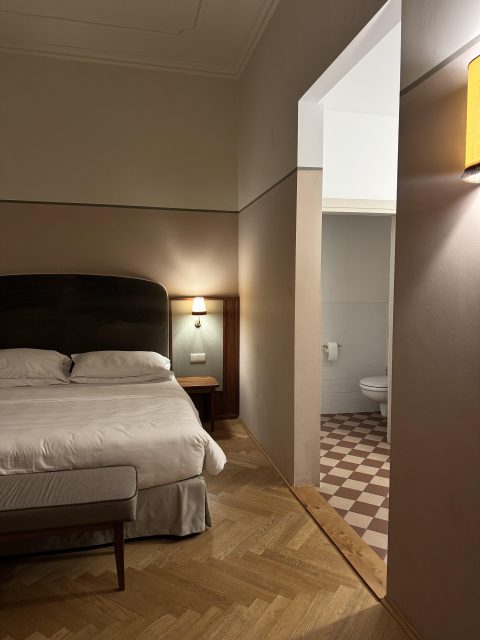
Mondschein has also positioned itself as a cultural hub, supporting the arts by hosting creative businesses, events and conferences, with local artwork displayed throughout the hotel. It is a reminder that South Tyrol’s tourism offer extends beyond seasonal skiing, appealing instead to travellers drawn to design, culture and gastronomy year-round.
Within the hotel itself sits Alto Pizza, one of the oldest taverns in South Tyrol. Its longevity speaks to a broader regional philosophy: preserving tradition while ensuring it remains relevant. A balance that mirrors Alto Adige’s approach to wine.

Infrastructure built around ease, not excess
Recent investment across South Tyrol’s ski areas has further strengthened its appeal. Resorts such as Latemar and Carezza have seen significant upgrades, with immaculate, modern lift systems and meticulously maintained slopes. The emphasis is squarely on efficiency, comfort and customer service rather than high-volume spectacle.
Partner Content

For wine tourism, this matters. Ease of movement — between slopes, towns and vineyards — allows visitors to engage more deeply with the region’s food and wine culture, rather than treating it as an afterthought. In South Tyrol, a ski day can realistically end with a cellar visit or a sommelier-led dinner without logistical strain.
Wine as part of the landscape
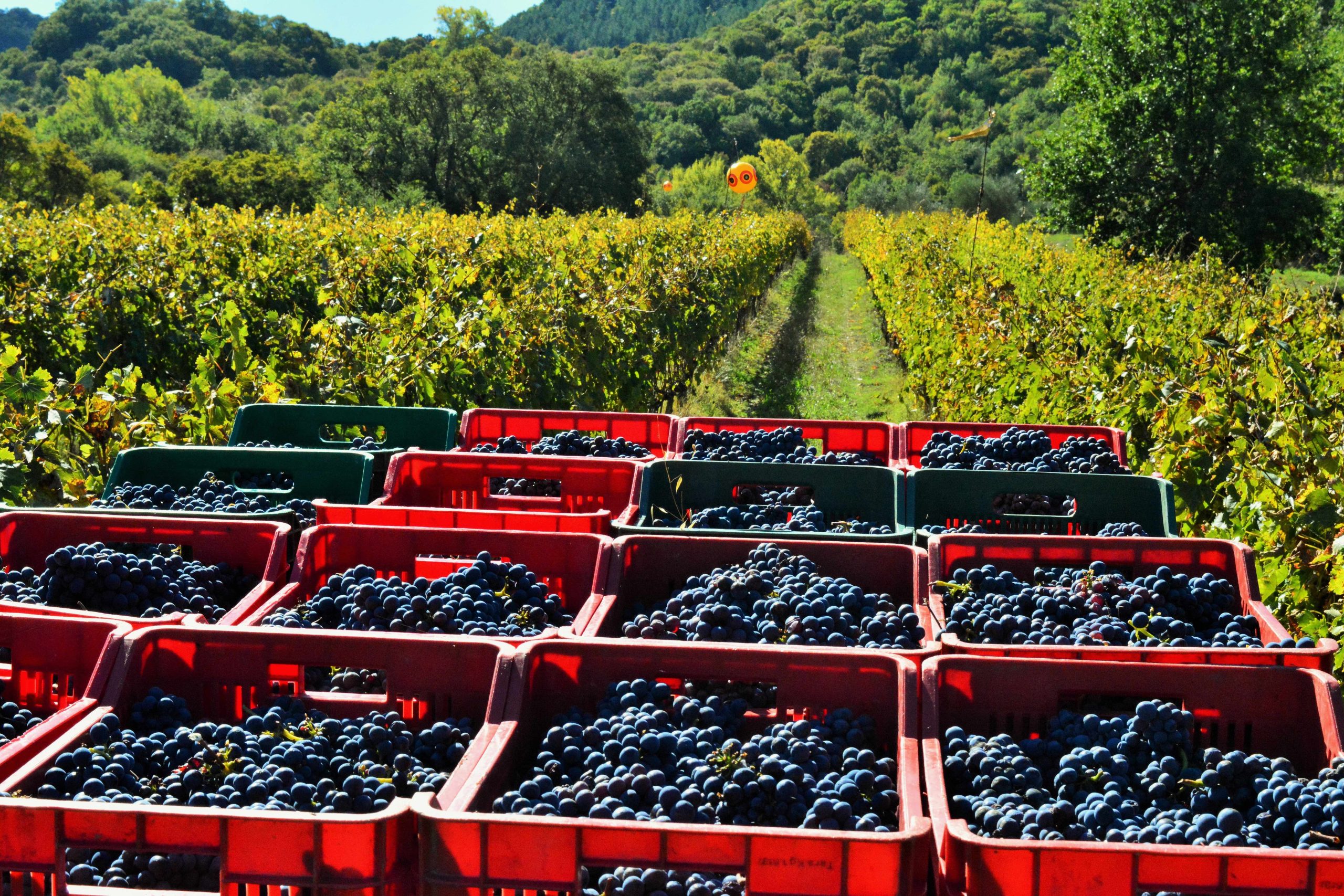
That integration is key to understanding why South Tyrol resonates so strongly with wine professionals. Vineyards sit alongside apple orchards and mountain ridges, woven into everyday life rather than isolated as tourist attractions. Alto Adige’s wines — shaped by altitude, alpine freshness and a bilingual cultural identity — reflect that complexity.
The region has increasingly positioned itself as a wine tourism destination, not just for collectors or trade insiders, but for travellers whose interest in wine is part of a broader lifestyle curiosity encompassing food, travel and culture. Recent initiatives, from international consorzio campaigns to trade-focused summits, have sought to demystify Alto Adige’s wines while emphasising their sense of origin.
Crucially, this tourism strategy aligns with how the wines are produced and marketed: premium, small-scale, quality-led, and grounded in place rather than trend.
An Alpine alternative with trade relevance
For the drinks industry, South Tyrol offers a compelling case study in how wine regions can broaden their audience without diluting their identity. By combining luxury hospitality with accessibility, and mountain tourism with serious wine culture, the region appeals to a demographic that increasingly values experience over excess.
It isn’t performative, but subtle. South Tyrol arguably offers something more durable: a destination where wine is not a prop, but a pillar — and where visitors leave not just with photographs, but with a clearer understanding of what’s in their glass.
In an era where wine tourism is expected to do more than entertain, South Tyrol’s quiet confidence may prove to be its greatest strength.
Related news
Behind the label: Alto Adige and the question of language
Alto Adige showcases diversity and awards Wine Culture accolade
Franz Haas' fight against terrain and technicalities in the Alto Adige


