



VIK 2022: ‘the beginning of a journey toward self-sufficiency’
Tasted during a masterclass of international wines on La Place de Bordeaux, VIK’s flagship blend hit new milestones in terroir-specificity, sustainability and acclaim with its 2022 vintage.
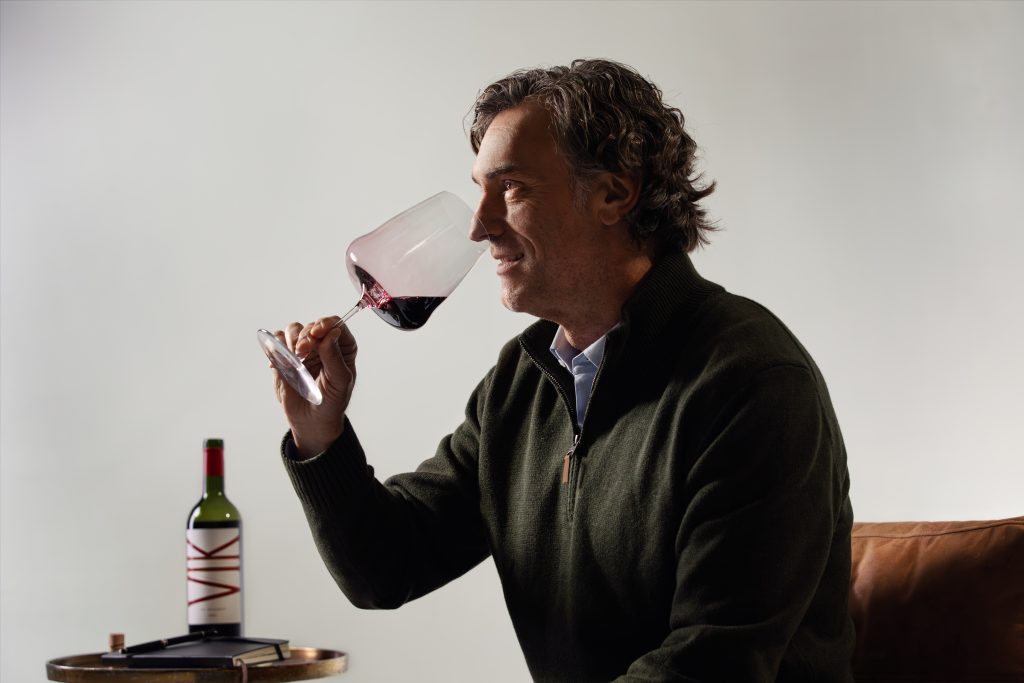
In November last year, the drinks business editor-in-chief Patrick Schmitt MW hosted a masterclass showcasing the top international wines traded on French distribution system La Place de Bordeaux.
The session, held during ProWine Shanghai, aimed to reveal why expressions from around the world have secured a place on the iconic platform.
Among the expressions showcased was VIK 2022 – a red blend made in Millahue, in the Cachapoal Valley.
VIK is the namesake wine and flagship blend of VIK Winery, a project set up by Alex and Carrie VIK in 2004. Their aim was to create one of the world’s best wines, and after a two-year search they settled on Millahue as their base.
The winery’s focus is on Bordeaux varieties, although some of its reds also use a little Syrah in the mix. For VIK 2022, the blend comprises 79% Cabernet Franc and 21% Cabernet Sauvignon.
These varieties thrived during an unusual growing season. It was notably cool, especially in spring, autumn and winter, which allowed the grapes to retain their bright natural acidity and to develop both complex aromas and a vibrant colour.
Moreover, the season saw consistent winds throughout the year. These kept growing temperatures lower in the vineyard, facilitating a slow and precise ripening.
Circular winemaking
Favourable weather, however, is not the only thing that defines VIK 2022. The wine marks a new chapter in VIK’s sustainability story.
“The year 2022 marked the beginning of a journey toward self-sufficiency and absolute purity,” explains chief winemaker Cristian Vallejo. “It was the year when VIK’s high-end wines began to tell a unique story, not only of the vineyard but also of the oak and clay of the land. A story that combines innovation with tradition, showcasing the infinite potential of Chilean terroir.”
That is because the 2022 vintage was the first to incorporate VIK’s circular winemaking philosophy. This brought two innovative processes to the winemaking.
The first is barroir, a term coined by VIK for its hyper-local approach to ageing in oak. A quarter of the vintage was aged in custom-made barrels crafted from naturally-fallen oak trees – some up to 300 years old – from VIK’s estate.
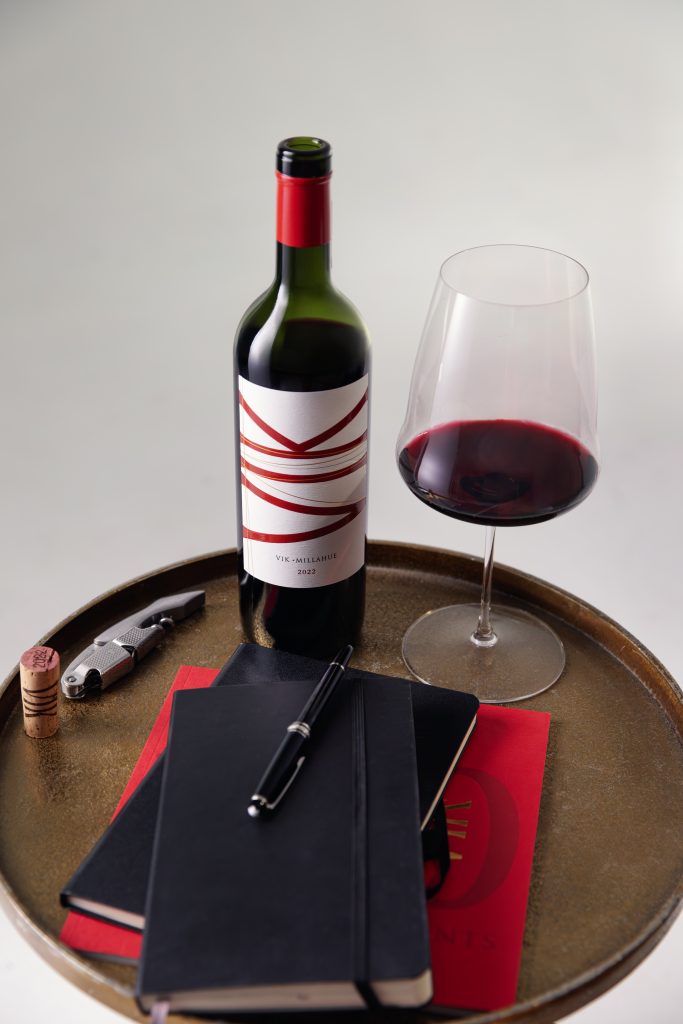
The process required expert input, with the team travelling to France to discover the minutiae of wood selection and matching oak to varieties. This meant they could select the right branches to make into staves and treat them correctly, lending a highly local flavour and finesse to the wine as it aged.
The second innovation is named amphoir. Taking a similar approach, the wine integrated parcels that had been aged in amphorae made from the estate’s own clay. This helped develop and soften the wine, using materials unique to VIK’s Cachapoal terroir.
“This wine not only represents the evolution of a 17-year-old vineyard,” says Vallejo, “but also incorporates a story spanning centuries, written in every barrel and amphora that contributes to its character.”
Furthermore, the wine has been certified vegan by V-Label, among Europe’s most trusted vegan certifications. This recognises that no animal-derived products featured at any stage in production, confirming VIK’s pursuit of sustainability, innovation and purity in winemaking
This groundbreaking recognition confirms that no animal-derived products were used at any stage of production — aligning VIK’s commitment to purity, sustainability, and innovation.
A renowned vintage
Even among VIK’s many fans, the 2022 vintage has earned particular acclaim. Indeed, that begins at the winery itself.
The winery has given it the nickname ‘The Personality’, owing to its intense yet energetic profile. Vallejo summarises: “VIK 2022 is a wine of great aromatic complexity, featuring floral notes, ripe fruits, and vibrant acidity that brings freshness and energy. Its tannins, both rounded and tense, provide structure and balance, while the inclusion of Cabernet Franc enhances the wine’s elegance and depth.”
James Suckling, meanwhile, awarded the wine an almost perfect score of 99 points, comfortably placing it among his top wines of the year.
As for Patrick Schmitt MW, he had this to say after the tasting in Shanghai: “Made with 79% Cabernet Franc and 21% Cabernet Sauvignon, and 26 months in barrels made by toasting the staves with fallen oak branches from woodland on the estate, the wine was wonderful, with layers of red and dark berry fruit, as well as notes of dark chocolate and cedar from the ageing process, and a lovely brightness on the finish.”
Related news
Château Galoupet puts sustainability at the heart of rosé
The winery betting on the ‘next chapter’ for cool-climate Australian wine
Goedhuis Waddesdon: ‘there is appetite for fine wine among the younger generation’


