



Wine Origins Alliance welcomes two new members
Ontario and Mendoza join the group dedicated to protecting the authenticity of wine place as it reveals new report findings pinpointing the greatest trade barriers for wine exporters in 2026. db reports.

Canadian province Ontario and Argentine city Mendoza have joined global coalition Wine Origins Alliance, bringing the organisation’s total number of member regions to 36 across five continents and 11 countries.
The two new members were welcomed at a reception held at Wine Paris, where Linda Reiff, president of Napa Valley Vintners, one of the founding members of the alliance, called 2026 “a pivotal moment for global trade.”
“More regions commit to our shared mission every year, and with every new region, our global coalition grows stronger,” Reiff said. “We look forward to working alongside Ontario and Mendoza and continuing to protect our valuable winegrowing place names.”
Founded in 2005, the Wine Origins Alliance is committed to protecting the authenticity of wine place, working to ensure that wine region names are protected and not abused or miscommunicated to consumers worldwide. The organisation is also concerned with eliminating trade barriers to wine.
Strong sense of place
“Rooted in three unique appellations, Ontario VQA wines express the tension, minerality and freshness of our cool-climate landscape, and reflect a strong sense of place,” said Dean Foerter, executive director of Wines of Ontario. “Joining the Wine Origins Alliance allows us to stand alongside regions worldwide that value authenticity, provenance and collaboration. We’re proud to work with like-minded regions to protect and promote wine origin.”
Meanwhile, Patricia Gimenez, general manager of ProMendoza and member of Mendoza Governor Alfredo Cornejo’s cabinet, said the region is “proud to stand shoulder-to-shoulder with other unique wine regions around the world to protect the integrity of wine place names”.
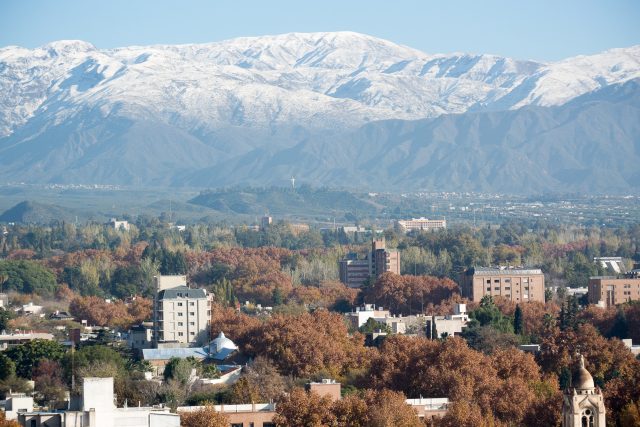
Speaking of what makes wines from Mendoza so unique she added: “Located at the foot of the Andes, the high elevation of our region, along with the dry climate, snowmelt water, and rich clay soil, gives Mendoza wines distinctive attributes like no other.”
What’s in a label?
The Wine Origins Alliance has also released the results of a new global survey on the impact of non-tariff measures (NTMs) on the global wine industry. Analysing 11 wine regions around the globe, including in Australia, France, Hungary, Italy, Mexico, Portugal, Spain and the US, the survey found that the “unanimous top concern” among surveyed regions concerns wine labelling.
Partner Content
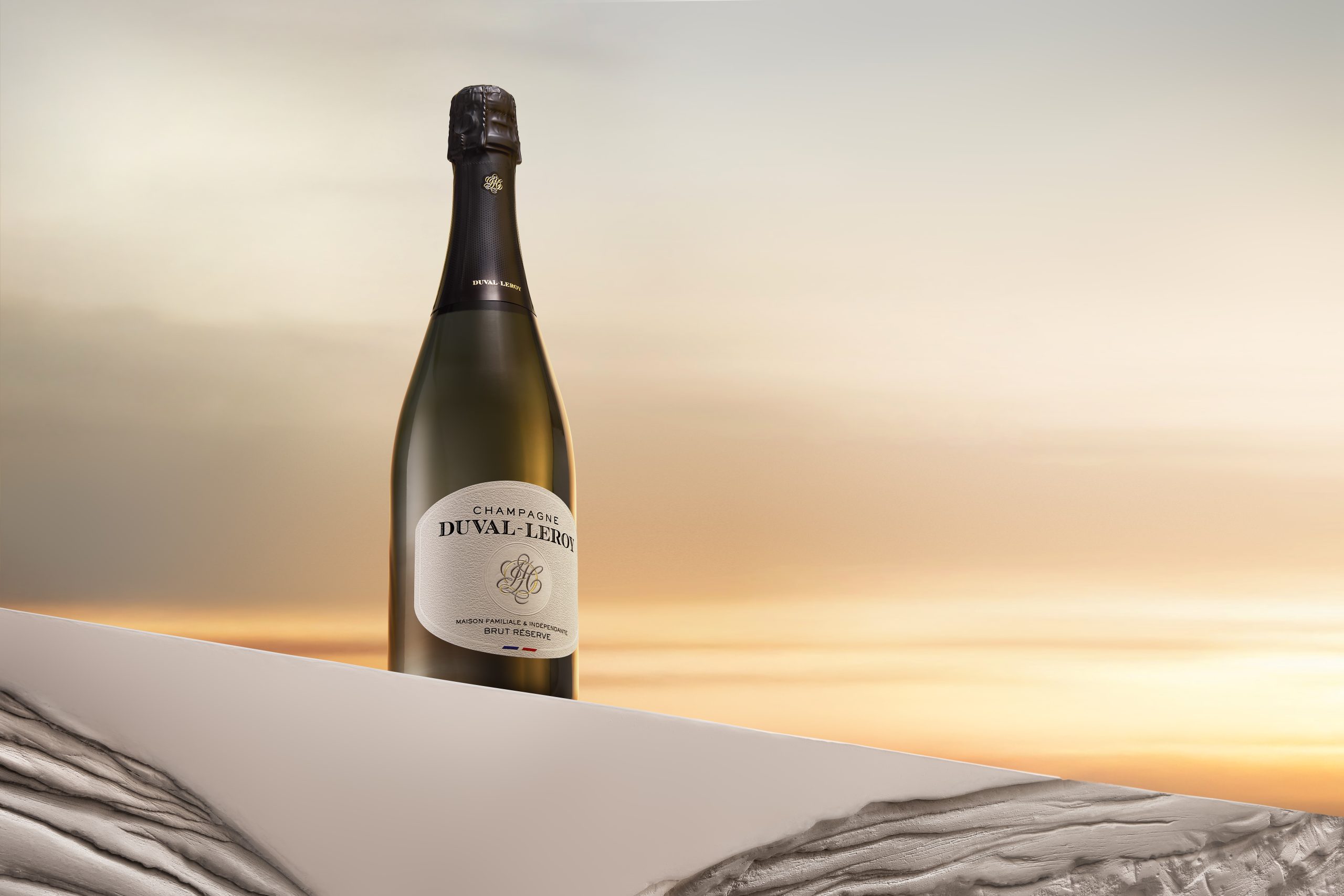

In fact, 10 out of 11 regions cited “labelling requirements” as a key barrier to trade. These include ingredient lists and nutritional labelling variations, language requirements with specific symbols, recycling symbols (in Italy and Ireland) and additive authorisation differences. For example, some additives authorised in the EU are not recognised by China or South Korea.
Additionally, name protection and market access are the second and third biggest concerns among members regarding non-tariff measures.
Where do trade barriers bite hardest?
According to the survey results, the US, Canada and China are the export markets where Wine Origins Alliance members face the greatest trade challenges. In the United States, tariff uncertainty and trade war impacts plus the complexity of the country’s three-tier distribution system all combine with “anti-US sentiment” and “inadequate GI/PDO protection” to create a maelstrom of challenges.
In Canada, state monopoly systems and tax barriers, plus market closures are causing a “complete market dry-up”, revealed the survey results.
China presents a slightly different hurdle in that “additive restrictions” are becoming a key concern for wine exporting nations. This barrier, added to “complex documentation requirements” to export goods to China present significant difficulties.
Coordinated efforts required
According to the Wine Origins Alliance, “2025 trade uncertainty has caused measurable damage—from total market loss to double-digit export declines. Collective industry action is needed now to prevent further erosion.” The organisation believes that success on this front requires coordinated efforts, saying: “Global wine regions must unite to advocate for harmonisation, governments must recognise wine’s cultural and economic value, and multilateral frameworks must
evolve to reduce trade friction while protecting authenticity.”
To this end, alliance members will travel to Geneva for a series of meetings and events at the World Trade Organization as part of its continued efforts.
Who belongs to the Wine Origins Alliance?
Members span the globe, and include regions in Baja California, Barossa, Bordeaux, Bourgogne/Chablis, Champagne, Chianti Classico, Douro & Porto, Finger Lakes, Jerez-Xérès-Sherry, Leelanau Peninsula, Livermore Valley, Long Island, McLaren Vale, Mendoza, Missouri, Monterey County, Napa Valley, Old Mission Peninsula, Ontario, Oregon, Paso Robles, Provence, Querétaro, Rhône Valley, Ribera del Duero, Rioja, Santa Barbara County, Seneca Lake, Sonoma County, Texas, Tokaj, Virginia, Walla Walla Valley, Washington state, Willamette Valley and Yamanashi.
Related news
Château La Couspaude acquired by the Flurin family
NBA star Isiah Thomas slam dunks with two kosher Champagnes
Michael Saunders: 'Cheap wine is sort of a misnomer, almost'


