



NZ Sauvignon Blanc: moving the Marlborough conversation on
As Marlborough prepares to host a global conference on New Zealand Sauvignon Blanc in 2027, Sarah Neish speaks to event chair Natalie Christensen about why its sub-regions will take centre stage.
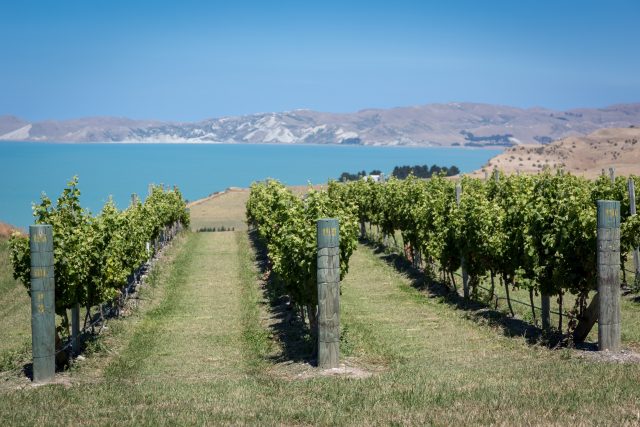
In February 2027 members of the press and wine trade, as well as consumers, will descend on Marlborough to dive into the next chapter for New Zealand Sauvignon Blanc. The three-day event held in Blenheim will explore the potential for this expressive variety – one of the most successful export products of all time – from all over New Zealand.
But while ‘Marlborough Sauvignon Blanc’ has become a powerful brand in its own right, the event intends to dive deeper into Marlborough’s sub-regions, and indeed other locations in both the country’s North Island and South Island.
“It will be very inclusive of all New Zealand,” Natalie Christensen, event chair and chief winemaker for Yealands, told the drinks business in an exclusive interview. “So not only Marlborough, but Central Otago, Martinborough, Hawke’s Bay…”
The last time New Zealand dedicated such an intensive education drive to Sauvignon Blanc was in 2019, and much has changed since then.
“It’s a chance for us to build more depth and layers to the story,” said Christensen. In particular she is keen to tell the “sub-regional narratives of singular sites”.
Challenging wine snobbery
Christensen also hopes the event will provide an opportunity to combat some of the wine snobbery that still lingers within the industry. “Our Sauvignon Blanc has such an identifiable character that consumers feel really comfortable with it,” she told db. “And maybe that’s part of the snobbery, that it’s so widely loved. But we’re not embarrassed or ashamed about making joyous wines, and there are plenty of serious, complex wines coming out of New Zealand, too.”
Perhaps, she suggests, the conference will help to “open up the minds of some of these gatekeepers.”
“There’s a real groundswell of building a fierce pride in what we do,” she added. “In the past we’ve almost taken the success of our Sauvignon Blanc for granted, but this is about making sure we stay in the position we are in and continue to put out a high quality product.”
Partner Content
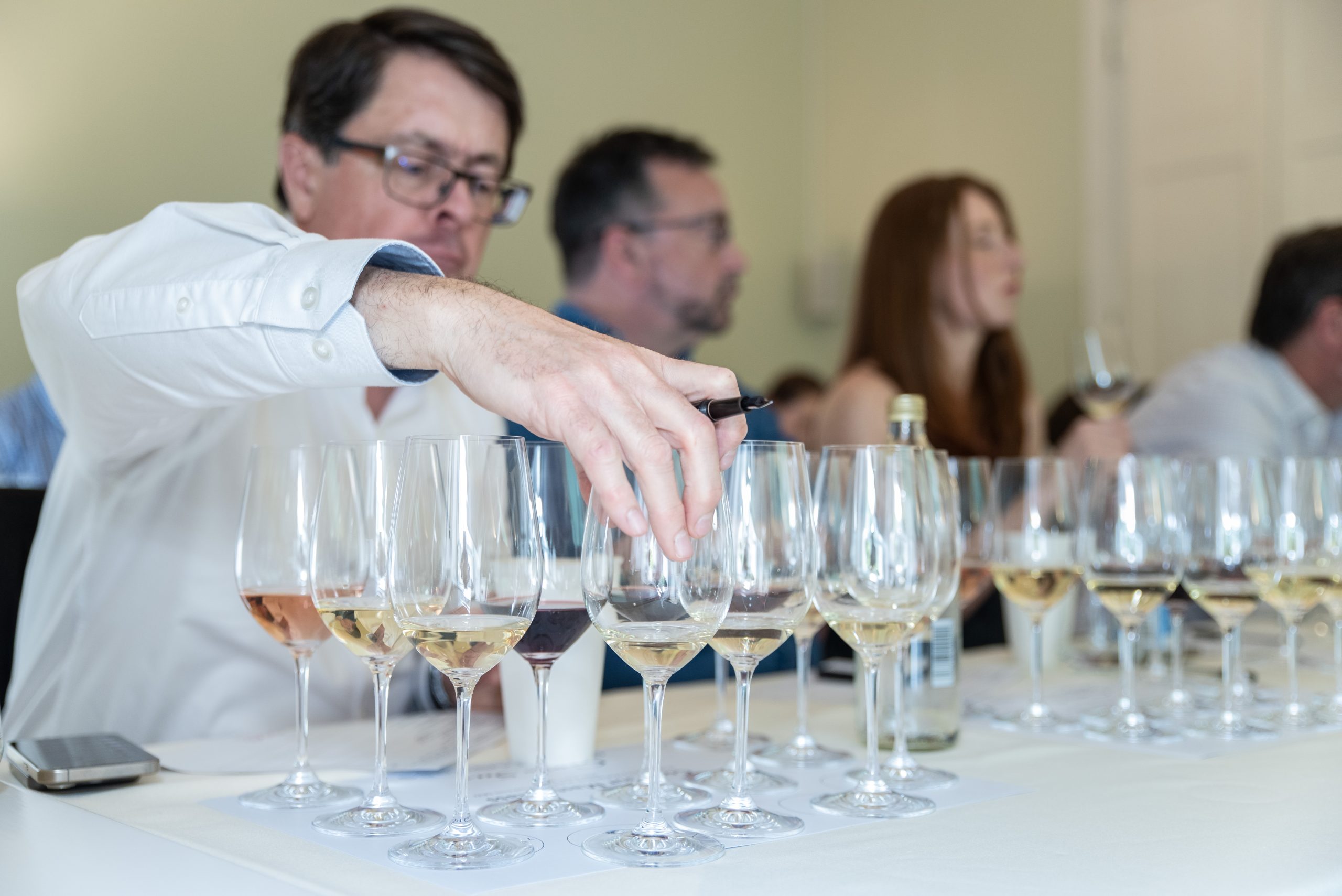

According to the event committee, the 2027 conference will be “a true celebration of New Zealand’s best – raw, real and remarkably us”.
Christensen explained: “There’s not a lot of pretence with kiwis. We are who we are. We’re a little bit like Sauvignon Blanc, which is a variety that speaks to a particular season and a place. With New Zealanders, it’s all laid bare so you can be sure of an authentic, real experience.”
New Zealand Sauvignon Blanc 2027 is expected to explore the full spectrum of producers “from commercial operators to smaller, more niche wineries” and will lift the lid on how different soil types and microclimates across the nation contribute to wines with significantly different flavour profiles.
“I’m hoping it will put New Zealand Sauvignon Blanc front of mind globally for everyone,” said Christensen.
Marlborough Pinot Noir
The 2027 Sauvignon Blanc event follows on from 2025’s three-day conference dedicated to New Zealand Pinot Noir, staged in Christchurch. As db gleaned from attending the packed roster of talks and tastings, the country’s Pinots are steered as much by the waterways (rivers, glacier lakes and oceans) that flow through and around the nation, as they are by their winemaking.
According to recent data from Wine-Searcher, Pinot Noir now accounts for 32.4% of all New Zealand-specific online wine searches, nipping at the heels of Sauvignon Blanc, which accounts for 35% of searches. Marlborough holds the largest share of New Zealand’s Pinot plantings (2,733 hectares compared to second-biggest Pinot region, Central Otago, at 1,656ha), and the frequent flooding of the 170km-long Wairau river, which flows through Marlborough, deposits silts on the vineyard plains. When the famous Marlborough wind blows through, these silts are whisked up onto the valley slopes, adding a top layer of loess to the region’s clay-based soils.
“This really helps out with water-holding capacity because clays can bake out dry,” said Clive Jones, winemaker at Nautilus Estate.
The hallmarks of Marlborough Pinot are bright, juicy, red fruit characters such as cherries and plums, sometimes with a little spice, alongside crunchy acidity.
“The beauty of Marlborough Pinot is that it really reflects the vintage more than any other variety,” Jan Johns, co-owner of the organic and biodynamic Wrekin Vineyard in the Southern Valleys sub-region of Marlborough, told db. “The wines talk of the season and what happened with Mother Nature. That’s why we’re in this game, because not every year is the same. Otherwise, we’d make Coca-Cola, or beer.”
Related news
New Zealand grain growers to build upon supply chain
New Zealand winery Nevis Bluff enters Asia
'It's time to step back': Philip Gregan on leaving New Zealand Winegrowers


