



Bourgogne Wine Board appoints Michel Barraud as new co-president
The Comité des Vins de Bourgogne has elected Michel Barraud to represent the winegrowing sector as its new co-president of the permanent committee, as it unveiled it is working on a new strategic plan for the next ten years.
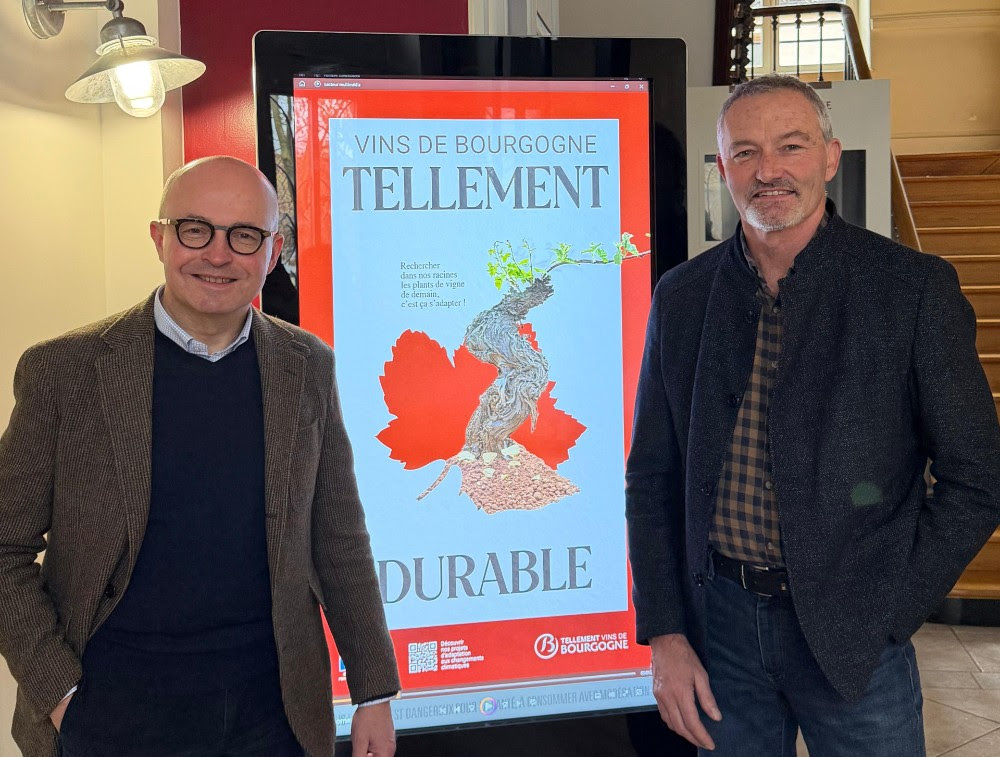
Barraud, who will serve alongside Laurent Delaunay of Edouard Delaunay representing the négoce sector, succeeds outgoing co-president François Labet, who spent eight years in the role. Barraud, who comes from a long line of vignerons, is the third winegrower from the Mâcon to take on the role.
In his address, he said he would work for unity, both within the interprofessional body and across the Bourgogne region as a whole.
He also underlined the pillars underpinning the Comite’s work. For example, the technical and innovation division, will be responsible for supporting the sector in responding to climate change and recurring harvest losses, while the economic and strategic intelligence division will play a key role in strategic decision-making for the 2035 strategic plan, primarily through a market study that was launched at the end of 2025.
Finally, he stressed the importance of marketing and communication and strengthening direct ties with consumers through the further development of wine tourism, notably with visitor engagement at the Cités des Climats et vins de Bourgogne,
The Comité des Vins de Bourgogne, which until August last year was known as the Interprofessional Bureau of Burgundy Wines (BIVB), also confirmed that the first half of the year would concentrate on setting tasks for its ten-year plan, which will be submitted to the committee in July.
Partner Content


This will focus on efficiency, unity, and ambition to prepare Bourgogne for the future, it said, with all the current indicators calling for “caution rather than complacency”.
Carbon neutrality is likely to serve as the “driving force” and the underlying framework of the plan, with Barraud quoting French aviator, author and pote Antoine de Saint-Exupéry: “The future is nothing more than the present put in order. You do not have to foresee it—you have to enable it.”
Speaking at its general assembly last week, Delaunay said the year was one for “transition and collective reflection”, in which the sector needed to take “a clear-eyed look” at the role, responsibilities, and resources of its interprofessional body in order to respond effectively to an increasingly complex set of challenges.
The combined effects of climate change, economic uncertainty and persistent inflation in many markets was a global challenge for the wine industry, compounded by geopolitical tensions, increasing disruption to international trade, and the growing stigmatization of wine consumption both in France and abroad.
However, the region’s international reputation for terroir-driven viticulture and its shared responsibility to maintain high standards and sustainable long-term ambition was one of the regions’ enduring strengths, he said.
Related news
Michelin unveils first-ever Burgundy wine rankings


