



The best places to store wine at home
Good storage allows wine to age slowly, gracefully and without complaint. In the second of a two-part series, experts outline the smartest solutions for modern homes and serious collections alike.
Wine storage, at heart, is an exercise in restraint. According to Barbara Drew MW, content officer at Berry Bros. & Rudd, the aim is not to chill wine for immediate pleasure but to preserve it for the long term. “For long-term storage, 12 degrees is ideal for storing wine. This isn’t about having it fridge cold and ready to open and enjoy that day. It’s about the best conditions for slow, quality ageing,” she told the drinks business.
Wine’s preferred environment is cool, dark, still and consistent. Anything else is a compromise, though some compromises are more forgivable than others.
Wine fridges and the practical ideal
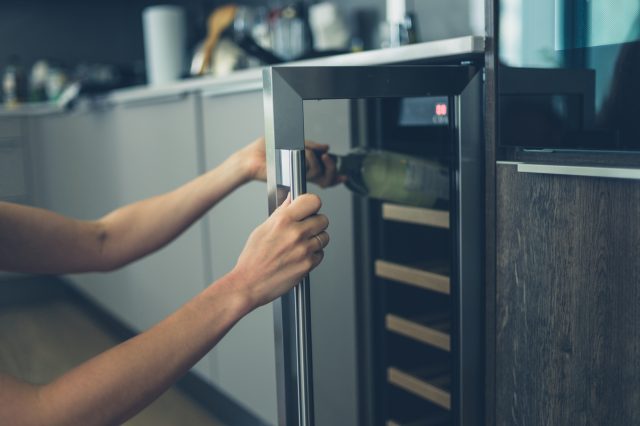
For most households, a specialist wine fridge offers the best balance between space, cost and performance. As per Drew, a unit such as a Eurocave can be set at a steady 12°C and typically uses smoked glass doors to protect bottles from ultraviolet light.
Robb Denomme, founder and ceo of Genuwine Cellars, agrees. “A quality wine fridge is one of the smartest investments you can make if you care about wine. It gives you cellar-like conditions without the construction,” he says. Unlike domestic refrigerators, wine coolers maintain steady temperatures between 45 and 65°F, around 7 to 18°C, with minimal vibration.
The enduring appeal of the wine cellar
A dedicated wine cellar remains the gold standard. “A proper wine cellar maintains consistent temperature, humidity and darkness. These make up the trifecta of ideal wine storage,” says Denomme.
While not every home can accommodate a cellar, those that do often find it adds both practical and aesthetic value. More importantly, it allows wine to mature in peace, undisturbed by washing machines, tumble dryers and well-meaning curiosity.
Partner Content



Smart domestic alternatives
Where cellars and fridges are impractical, careful use of existing spaces can still yield respectable results. An interior cupboard on a lower floor, away from exterior walls and heat-producing appliances, can serve for short to medium-term storage. “The key is finding a spot with stable temperatures and no light exposure,” Denomme explains.
Under the stairs also holds promise. These spaces tend to remain naturally cool and dark, particularly when positioned away from furnaces and water heaters. In many British homes, this modest triangle of forgotten floor space may quietly outperform the entire kitchen.
Bonded warehouses and the professional solution
For collectors thinking long term, Drew offers a reminder that the safest home for valuable bottles may not be a home at all. “If you think you may want to sell your wine in future, the best place to store it is in a bonded warehouse. Merchants, including Berry Bros. & Rudd, offer this service, storing your wine for you in a secure warehouse at the perfect temperature.”
Once wine enters a private residence, its traceability diminishes, making resale more difficult. In a bonded warehouse, provenance remains intact and conditions remain reliably stable.
Simple rules that make a lasting difference
Always store corked bottles on their side to keep corks moist and airtight. Maintain consistent temperatures and avoid spots that swing from 60 to 75°F, around 16 to 24°C. Limit light exposure, especially sunlight and fluorescent lighting. Aim for humidity between 50 and 70% to protect corks and labels.
“Proper storage means respecting the craftsmanship that went into making your wine,” Denomme says. “Every bottle represents someone’s labour, from the vineyard to the winery. When you store it correctly, you give that wine the chance to show what it’s truly capable of.”
To find out the worst places to store wine at home, click here.
Related news
Italy launches new 'crisis fund' for winemakers in Trentino
10 award-winning English wines to drink during English Wine Week


