



Maison Louis Latour: Burgundy doesn’t want to become ‘unreachable… where no one can afford the wines’
While this year’s Burgundy en primeur has constrained yields, pricing remains stables with Eléonore Latour of Maison Louis Latour stating that “we don’t want to become this unreachable region in the world where no one can afford the wines”.
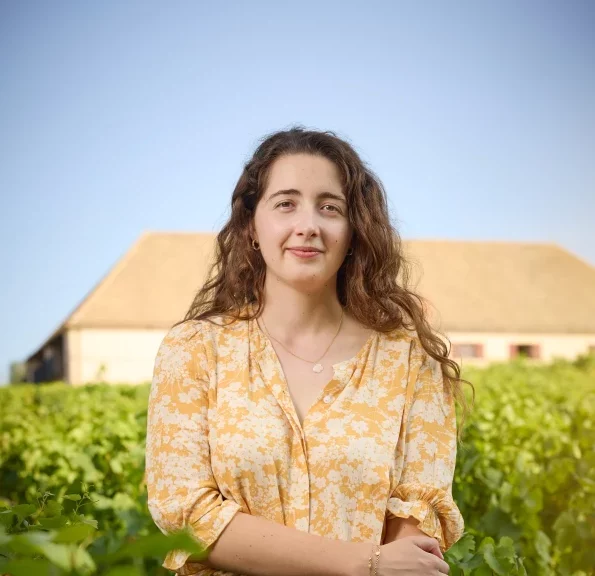
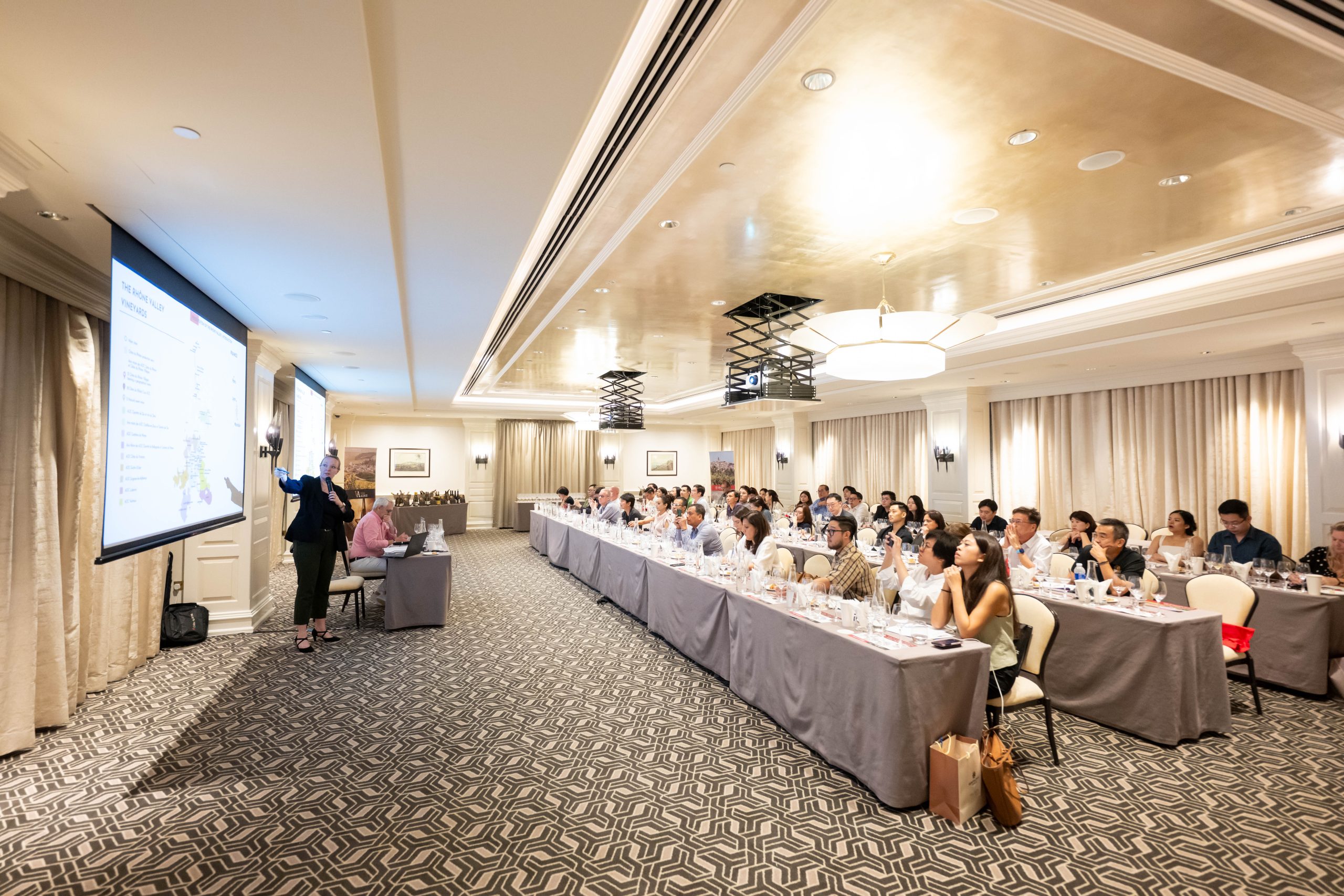
Speaking to the drinks business at the Fells en primeur tasting last week, Latour, who despite being a 12th generation member of the Latour family is the first female member of the family to join the business, commented on the impact of the low yields of the 2024 and the upcoming 2025 vintage on pricing.
“We used to say we needed three good vintages in a row, quantity-wise, to be able to lower the prices. So, we had 2022, we had 2023 and then bam! 2024 hits,” she said. “But the prices are still not going up, we are remaining stable for most of it or going down for some wines because we want to be able to make the wine affordable. We don’t want to become this unreachable region in the world where no one can afford the wines.”
Narrower yields but big on quality
One of the issues with the 2024 is that the harvest was so small that a lot of producers have not had enough quantity to use the climat name on the bottles and as a result, the ranges are narrower. For example, Maison Louis Latour has produced a wine from Beaune Premier Cru, ‘Vigne Franches’, while two other climats, Perrières and Clos de Roi, have been combined into one Beaune Premier Cru.
“We decided not to do any Aloxe-Corton Grand Gru or Corton Premier Cru and to only produce a village level wine,” she added. “So I think the en primeur this year is going to be quite different, because I know we are not the only one in Burgundy that had to make choices like that.”
One effect is that it is likely that “everything is going to be to be sold really fast” she said – and there will be little or no ‘24 available at a later date.
And although the ’25 vintage is also less generous than had been hoped – with around 50% less than the usual ten-year average, it is the third dramatically small harvest in just five years – “the winemakers are super happy with 2025 and how it’s looking so far”.
Anomalies
However, following comments made by Edouard Delaunay last year about the volatility of grape prices, about the price of Burgundy Pinot Noir and Chardonnay grapes, which 5% on the back of the 24 vintage, having recovered from steep rises between 2020 and 2021, db asked Latour if this was still a challenge, given then potential difference between prices which the estate have control over in their own production and the price of grapes bought in for the negociant business. She acknowledged it, but noted that it had prompted a change at Latour to boost price stability and visibility.
Partner Content
“We have changed the way we do things. We are going to negotiate prices for three years in a row, and that allows us to have more stability and more visibility on what we can do, because the issue was negotiating year after year,” she explained. “It’s not something my grandfather used to do.”
Climate change “not a one-way street”
Another thing the 2024 has pointed out, she said, is that climate change in Burgundy is not “a one-way progression”.
“We’ve had our fair share of the hot and warm years over the last decade – the 2018, ’20, ’22 and ’23 – so we thought climate change meant one thing: heatwaves, really ripe grapes and so on. But in ’24, we saw the other face on the coin,” she explained. “Not only budburst that happened super quickly in the year, way faster than it used to be ten years ago, and sometimes can be super rainy and cold, and I think we had forgotten a bit about that. But it used to be what Burgundy was like thirty years ago.”
She noted that her grandmother, who still lives in Beaune, had noted the similarities between the 2024 vintage and classic wines that she and her husband produced back when she herself was a young wife and mother. “So we are really back to the classic Burgundy style of a few decades ago,” she said. “But it’s nice to have more freshness.”
Taken together, the “hectic” ’23 and ’24 vintages have provided a “big teaching moment”, she added. For example in 2023, the unusually high yields meant the team had to buy more vats and also decided to change how the team brought the grapes into the winery, she said. “We realized that we were not equipped for years where we had too many grapes, and after the year 2024 we decided to adapt, and we invested in some more robots to help us a bit more with the weather, knowing when it’s going to rain in advance and so on.”
“But the key words is super agility, being able to jump where you need to jump,” she said.
Related news
Burgundy en primeur: wonderful wines, but allocations severely impacted
Burgundy prices 'stabilising' as en primeur campaign launches


