



South Africa’s wine sector feels the squeeze
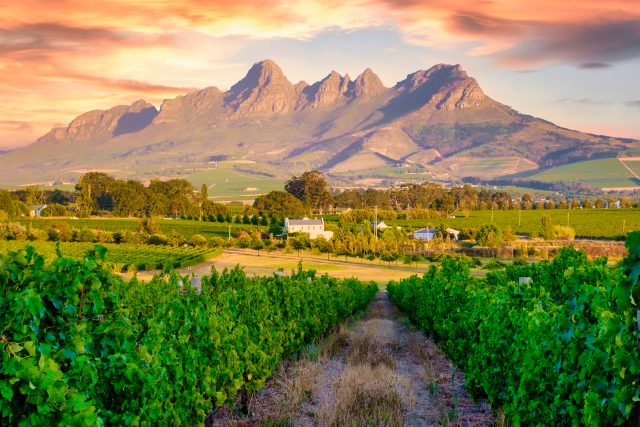
Between 2014 and 2023, the area planted with wine-grape vineyards in South Africa fell from 99,472 hectares to 87,848 hectares — a reduction of about 12%. Over the same period, the proportion of vines over 20 years old rose from 20% to 36%, well above the often-cited optimal maximum of around 15% for vines of that age.
Older vines typically yield fewer grapes, and when combined with a shrinking vineyard footprint, the result has been a notable decline in output. The 2023 grape harvest was the smallest in nearly two decades, and wine production that year stood at 0.93 billion litres — down 21% from the 1.18 billion litres produced in 2014.
Costs rising, profitability falling
Production costs have almost doubled over the past decade, increasing faster than both headline inflation and producer-price indices.
This rising cost base, combined with declining yields and constrained pricing power, has put heavy pressure on margins. By 2023, only around 8% of producers were profitable, while 43% were running at a loss. Net farm income — a commonly used proxy for profitability — fell by nearly 37% year-on-year, declining to USD 10,951 per hectare.
As a result, structural change is accelerating. Between 2014 and 2023, nearly a third of primary grape producers — around 100 per year on average — exited the industry, with smaller producers disproportionately affected.
Partner Content


Still an important economic contributor
Despite these pressures, the wine sector remains a meaningful contributor to South Africa’s economy. The industry adds approximately USD 3.34 billion to national GDP (around 0.9%) and supports about 270,364 jobs — roughly 1.8% of total national employment. It also generates about USD 1.11 billion in household income, with value-chain effects that exceed the national average.
The report describes the vineyard sector as being “caught in a self-reinforcing downwards cycle”, while still noting its significant role in supporting economic activity and employment.
Outlook
The findings suggest that without renewed investment in vineyard replanting, improved age balance, or measures to curb rising input costs, downward pressures may persist. Smaller producers appear particularly exposed, raising concerns about longer-term stability in parts of the sector.
Given the scale of its economic contribution, the industry’s challenges are likely to remain a consideration for policymakers as discussions continue around issues such as excise tax changes and regulatory reforms.
Related news
Chianti DOCG set to include rosé among other changes
China axes tariffs for African imports, but what does this mean for South African wine?
Could Cheval Blanc 2025's nominal increase define the campaign?


