



Viña Salceda strikes a balance with the ‘new old style of Rioja’
Viña Salceda has pioneered a more nuanced understanding of Rioja through the region’s unique and expressive sub-zones. db discovers how the producer tells their stories through its wines.
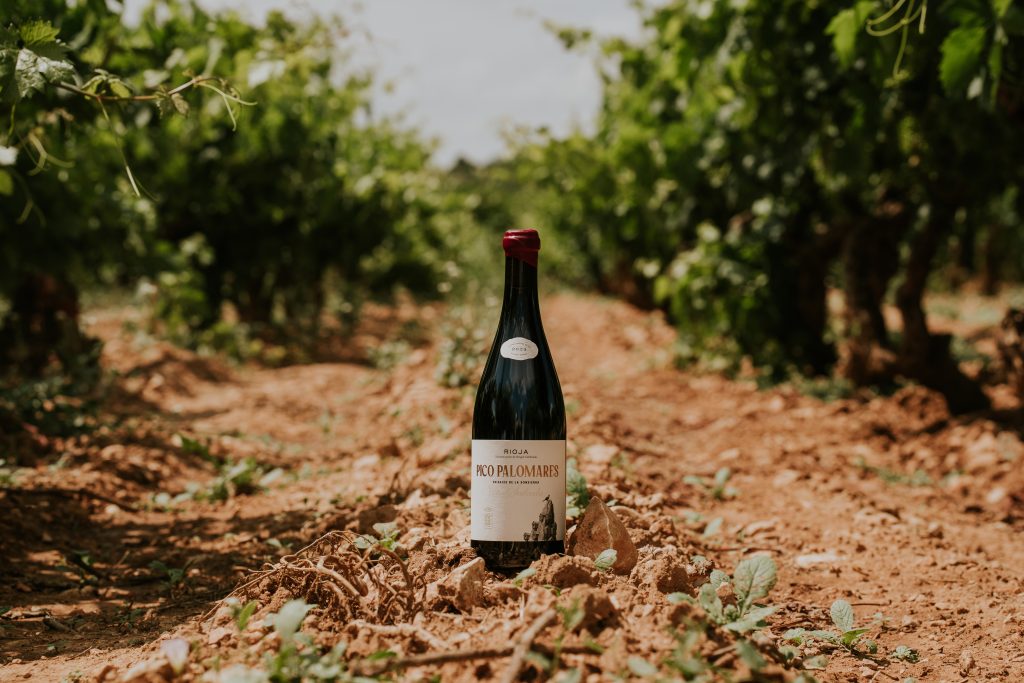
Founded in 1969 by a group of wine growers from Elciego, Viña Salceda is the result of an ambition to create wines that are rooted in tradition, but have a forward-thinking spirit.
Almost half a century later and the company, which is now under the ownership of Grup Peralada, continues to embody these principles, which have seen the winery balance the classic virtues of Rioja wine – generous ageing, bright acidity and remarkable longevity – with the lightness and freshness that modern palates crave. Moving beyond the region’s traditional focus on Tempranillo, Viña Salceda works with a broader range of grape varieties and focuses on sub-zones defined by the diversity of their terroirs, rather than by the traditional political divisions of Rioja Alta, Rioja Oriental and Rioja Alavesa. This framework – which distinguishes between regional, sub-zone, village and single-vineyard wines – celebrates the character of key sub-zones, particularly La Sonsierra and Alto Najerilla.
Each of these areas brings its own unique identity: the freshness and elegance of the Garnacha wines from Alto Najerilla, and the concentration and fruit expression characteristic of La Sonsierra.
With more than 25 years of experience in the sector, winemaking director David González is the man ushering Viña Salceda into its new era.
In order to reflect the winery’s philosophy, the Viña Salceda portfolio is divided into two distinct ranges: Atempo and Parajes. Atempo is Viña Salceda’s collection which re-interprets the classic Rioja style, but through a modern lens.
Wines include the 2021 Crianza, a Tempranillo and Garnacha blend that strives to be, in González’s words, “exceptional, contemporary and vibrant”. Playing into the growing popularity of lighter, more quaffable reds, but still with the DNA of classic crianza evident, thanks to its ageing in American oak and 14.5% ABV, it’s a wine which demonstrates that ‘traditional’ Rioja can still be elegant. There are plans for reserva and gran reserva expressions to be added to the line before too long.
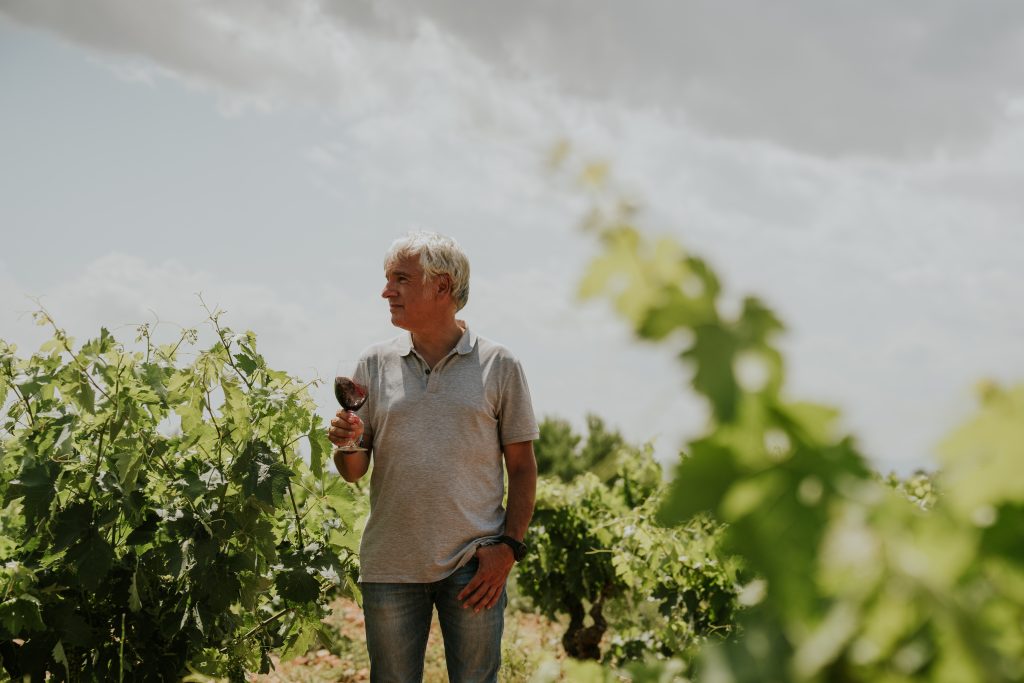
Also in the Atempo collection is Blanco Sobre Lías, a blend of Viura and Tempranillo Blanco first made in the 2023 vintage.
“Tempranillo Blanco is a natural mutation of Tempranillo Tinto that was discovered in Rioja around 30 years ago. Some people hate it, but I think it is a very good complement to the Viura. It gives a slightly bitter touch at the end – here we use around 15% in the blend,” says González.
In order to create wines for the modern drinker, it can help to look to the techniques of the past. One particular area where González has found inspiration in Rioja’s winemaking history is in his use of concrete for the maturation of certain wines, including for Blanco Sobre Lías.
“I think that Viura needs lots of time in barrel to be ok – it can be too much – so in this wine, which we begin to sell six months after harvest, the concrete was perfect,” he continues. “In the past, vanilla was what people wanted, but the taste has changed – we want more fruit and less oak.”
González’s approach to the use of concrete vessels in the winery comes with his typical careful precision – while he favours epoxy-lined larger vessels, for smaller ones (such as the concrete eggs the winery imports from France) he favours the unlined versions to facilitate micro-oxygenation.
“If you don’t have epoxy, it must always remain full [to avoid them drying out], which is harder for larger vessels,” he explains.
The other collection from Viña Salceda, focused on the specific terroirs of individual parcels, is called ‘Parajes’, and this is where González can really deviate from regional tradition.
One wine which embodies this mindset is La Rellanilla 2023, a single-varietal Tempranillo which was manually harvested from a 5.5-hectare vineyard. It was aged on its lees in concrete tanks for around five months.
“Here we look for the fruit and the character of the wine of this village,” explains González. “I don’t think it needed a barrel.”
“For us,” he continues, “the most important thing for this wine is not to have too much tannin. We use infusion rather than pumping over. Tempranillo is like Barolo – if you have too much tannin, you need five or more years to drink it.”
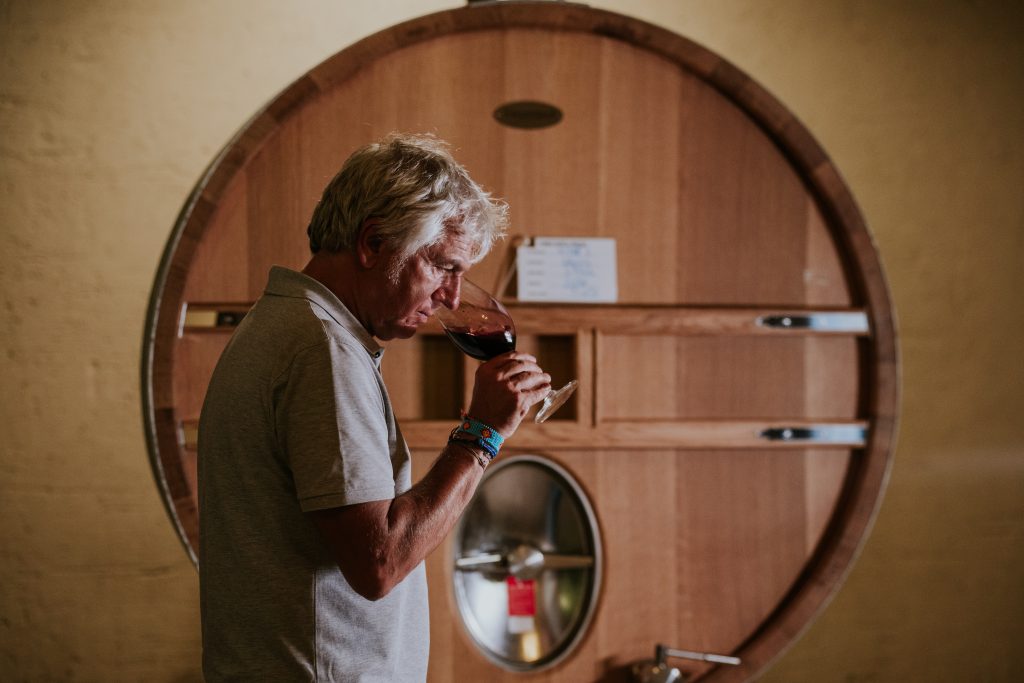
González considers this to be a “new old style of Rioja”, adding: “It’s more classic than something like a Viña Tondonia, because in the past, when Rioja didn’t use barrels often, all of the wine was made like this. New consumers think that this is a newer style for Rioja, because it’s coming back, but it’s from the past.”
One of the “new kids on the block” due to reach the market towards the end of this year is Cabezaparda, a 100% Garnacha sourced from a vineyard in Alto Najerilla, some 700 metres above sea level. This area used to have such a cool climate that the Garnacha was only ripe enough for rosé. As conditions have become warmer in recent decades, the location can now produce still reds, though González claims that the 14%-ABV Cabezaparda has more acidity than many of his whites.
Aged in foudres, barrels and concrete eggs, this new wine is, according to its maker, a case of “terroir more than style”.
“It is perhaps the coldest place where Garnacha is grown in Spain,” adds González. “It is the freakiest thing I have made in my life. If you told me 10 years ago that I would be making this wine, I wouldn’t have believed you. People didn’t like this style in the past, but now it’s come into fashion. This is the new Rioja, I think.”
Site selection
One thing which really sets Viña Salceda apart is that its approach to viticulture in Rioja is defined by terroir, rather than by the appellation boundaries of zones such as Rioja Alta and Rioja Oriental. Instead, the winery opts to base its winemaking on the strengths of individual sub-zones, giving it a wealth of information to work with.
For example, Garnacha from Alto Najerilla tends to have a freshness and elegance, partly a consequence of the aforementioned altitude (600 to 700 metres above sea level), but also as a result of the high clay content of the soils, which helps with water retention – a major asset for keeping the vines in good condition during dry years.
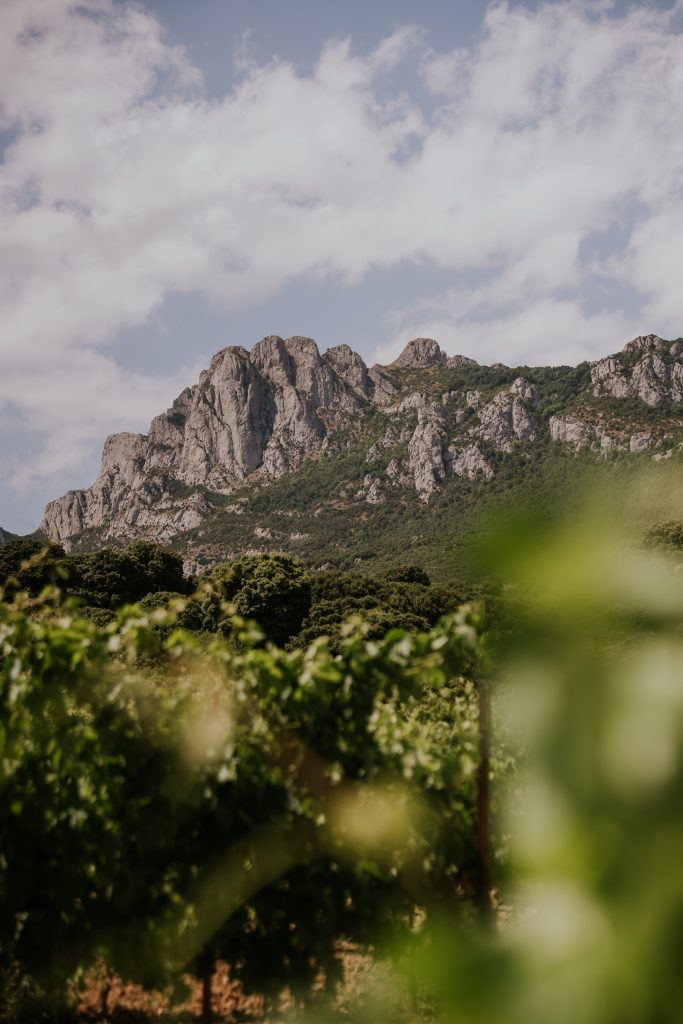
By contrast, grapes grown in La Sonsierra, on the northern bank of the Ebro river, tend to result in more concentrated wines, a result of the greater exposure to the sun. The high limestone content of the soils in this sub-zone helps to maintain a firm acidity.
According to González, Tempranillo from La Sonsierra has a very good claim to being the best expression of this grape variety anywhere in Spain, and indeed the world.
The beauty of winemaking is that González is able to blend these different terroirs to strike the right balance – for example, in Viña Salceda Crianza, the mix is roughly 80% Tempranillo from La Sonsierra and around 20% Garnacha from Alto Najerilla.
González’s understanding of what does well where is both a consequence of his considerable experience, and also of the fact that he continues to put the hours in, keeping an eye on developments in each and every plot.
“In spring and early summer, I visit the vineyards once a month, in July and August once a week, and after that every two days,” he reveals.
Asked when he finds time to take a holiday, González quips: “Holiday? What’s that?”
However, these tireless efforts are paying off – especially when it comes to avoiding problems in the vineyards.
Rioja’s 2025 growing season was one troubled by mildew as a result of high rainfall in spring and summer, but disaster was avoided thanks to the wisdom which comes with experience.
The relatively high altitude of Viña Salceda’s plantings helps to keep the bunches suitably ventilated, thanks to the winds which whip through Rioja, reducing the risk of fungal disease.
The variation between the Garnacha of Alto Najerilla and the Tempranillo of La Sonsierra also comes down to the distinction between using American oak, with its hallmark notes of vanilla and coconut, versus the relative inertia of concrete. The contrast between the historic stylistic traditions of Rioja and the direction the wine world is heading towards – one of lightness and freshness – is evident. There are plenty of points of difference within this region, and it takes a special kind of winery, and indeed winemaker, to connect them so skillfully.
Although history of course plays a huge part in how Viña Salceda works, González is adamant that the secret is to work with the here and now. “We don’t want to be a classic winery,” he says. “We don’t want to be a futuristic winery; we want to be a contemporary one.”
Viña Salceda wines are available through to the UK trade through Enotria.

Related news
English investor buys historic Château Vignelaure
Wales bids for world’s first natural wine appellation
How service crop management could save vineyards in dry years


