



Growing old gracefully: What’s next for luxury rosé?
What does a luxury rosé wine look like at both the young and ageworthy ends of the spectrum? Amelie Maurice-Jones reports
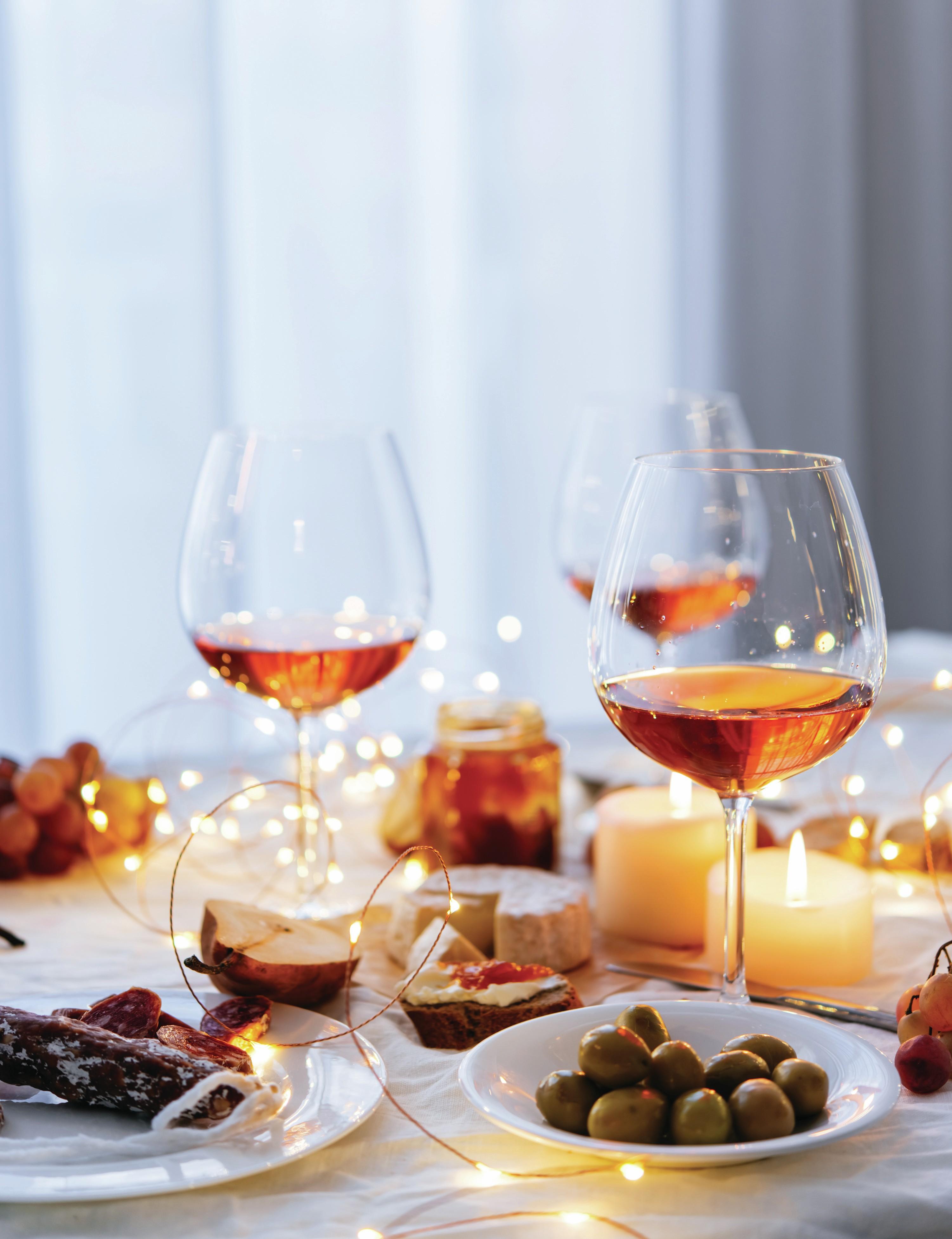
It’s summer in the Hamptons, 2014, and something is very, very wrong. On the surface, life operates as normal: Wall Street yuppies recline in mega-mansions, and celebrities from Michael Kors to Alec Baldwin sup at swanky Italian restaurant Sotto Sopra.
But, behind the scenes, panic is setting in: the Hamptons is running out of rosé. Sound the alarm – this is not a drill. Dubbed “summer’s most popular drink” by fashion bible Vogue, world rosé wine consumption reached 22.7 million hectolitres in 2014 – an uptick of 20% since 2002, and producers were struggling to keep up with soaring demand. Amid a flurry of articles instructing people on how to drink rosé, from mixing it into a spritz to freezing it into ‘frosé’, all agreed on one thing: rosé should be drunk young.
Now let’s travel to 2025, where once again, summer in the Hamptons is in full swing, with rosé now accounting for 10% of total global wine consumption, according to the World Rosé Observatory. But history is doomed to repeat itself, and panicked Hamptonites are stockpiling rosé before Trump’s tariffs push prices sky-high. This time one thing’s different: the perception that rosé should be drunk young is changing, with a growing number of producers starting to create aged, complex, gastronomic rosé wines. “Look at hamburgers,” Château Galoupet’s managing director Nadine Fau points out. “Fifteen years ago, a hamburger was a hamburger, and you would find it in fast food places. Now you go to high-end restaurants, and they have their own version of the burger made with amazing bread and fantastic meat.” With rosé, she says, it’s the same. “It became an easy-going, entry-price product. And now people like us are taking it upwards to new heights, to savoir-faire, elegance and precision.” This is what Galoupet is doing with its cru classé de Provence rosé, with the oldest vintage on the market 2021.
Taken seriously
The goal is clear: Galoupet wants rosé to be taken seriously; not just as a thirst-quencher for sunny weather, but as a drink respected by wine connoisseurs in the same vein as reds and whites. “It’s the future,” adds Fau. Last year, she points out, global wine sales fell to their lowest levels since 1961 (OIV). “The less people drink wine, the more they are demanding in terms of quality.”
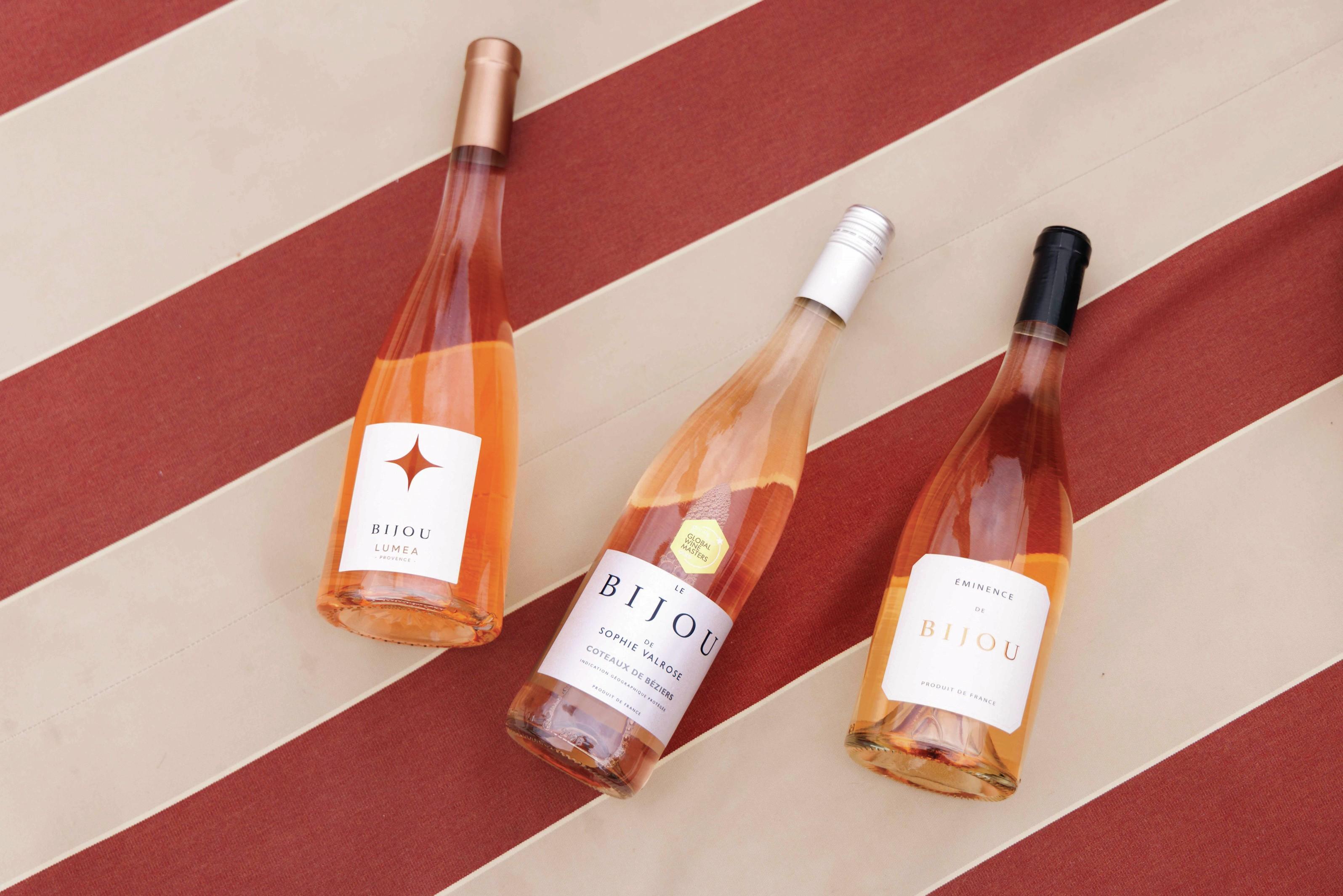
Bijou too began crafting cuvées like Éminence de Bijou Rosé with this trend in mind. “With extended ageing, this wine reveals layered aromatics, spice and structure,” explains the winery’s commercial director Edward Vellacott. “It’s not just about colour or seasonality; it’s about texture, craftsmanship and provenance. Just as we celebrate the distinct character of Burgundy or Rhône wines, rosé deserves the same attention.” While the overall market still favours young rosés with fresh, fruity profiles, Vellacott is seeing a shift towards ageability and year-round enjoyment. “Rosé is emerging as a serious contender on the global stage,” he adds, with Éminence designed as a “gateway” for drinkers stepping from everyday rosé into the more premium space.
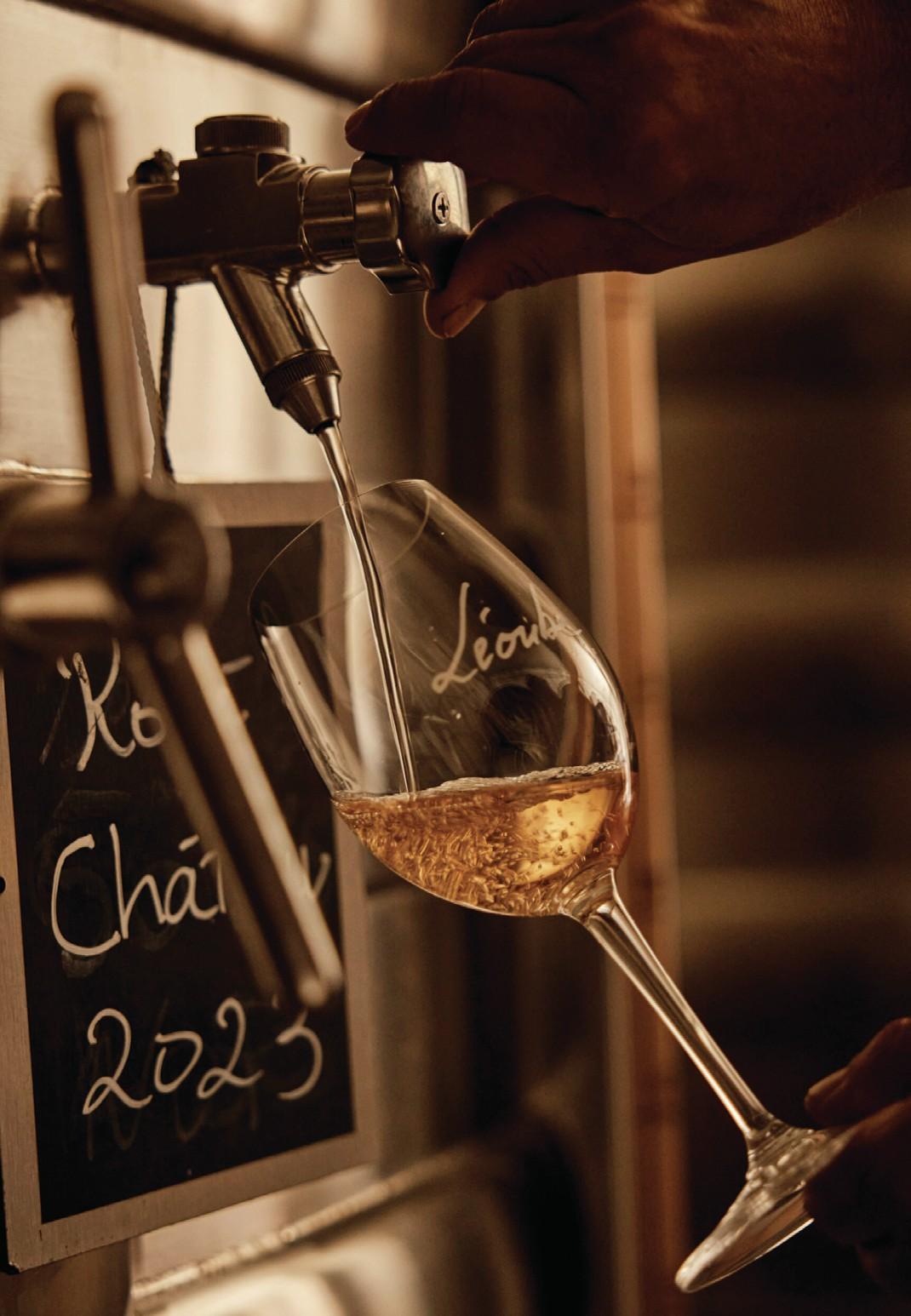
It’s a mission shared by Château Léoube. Léoube Collector Rosé is created as a collector’s item and is also a late release, having been aged on lees for 10 months and cellared for another year. Today, the 2022 vintage is on the market, with grapes sourced from top individual parcels of Grenache and Cinsault, reflecting the terroir’s marine schist soil and sea breeze influence.
Anthony Gordon, sales director at Léoube, echoes other winemakers when he attests: “The goal is for wine lovers to treat high-quality rosés in the same fashion as premier cru Chablis or top Sancerre.” But, he adds, this doesn’t happen overnight: “If producers speak more seriously about their wines, from a quality and terroir perspective, then consumers will take their wines more seriously.” To promote the category, Fau adds that winemakers need to please wine lovers: “They are your first ambassadors.” That is why events like a recent panel discussion and tasting, hosted by Libération Tardive and Elizabeth Gabay MW in London, are so important in spreading the pink-tinted gospel. The debate explored the question: ‘Can fine rosé age?’ And can it? Well, ‘yes’ was the consensus. While Viña Tondonia Rosé Gran Reserva from Rioja is currently the only ‘collectible’ rosé recognised by the market, panellists concluded that there’s room for more.
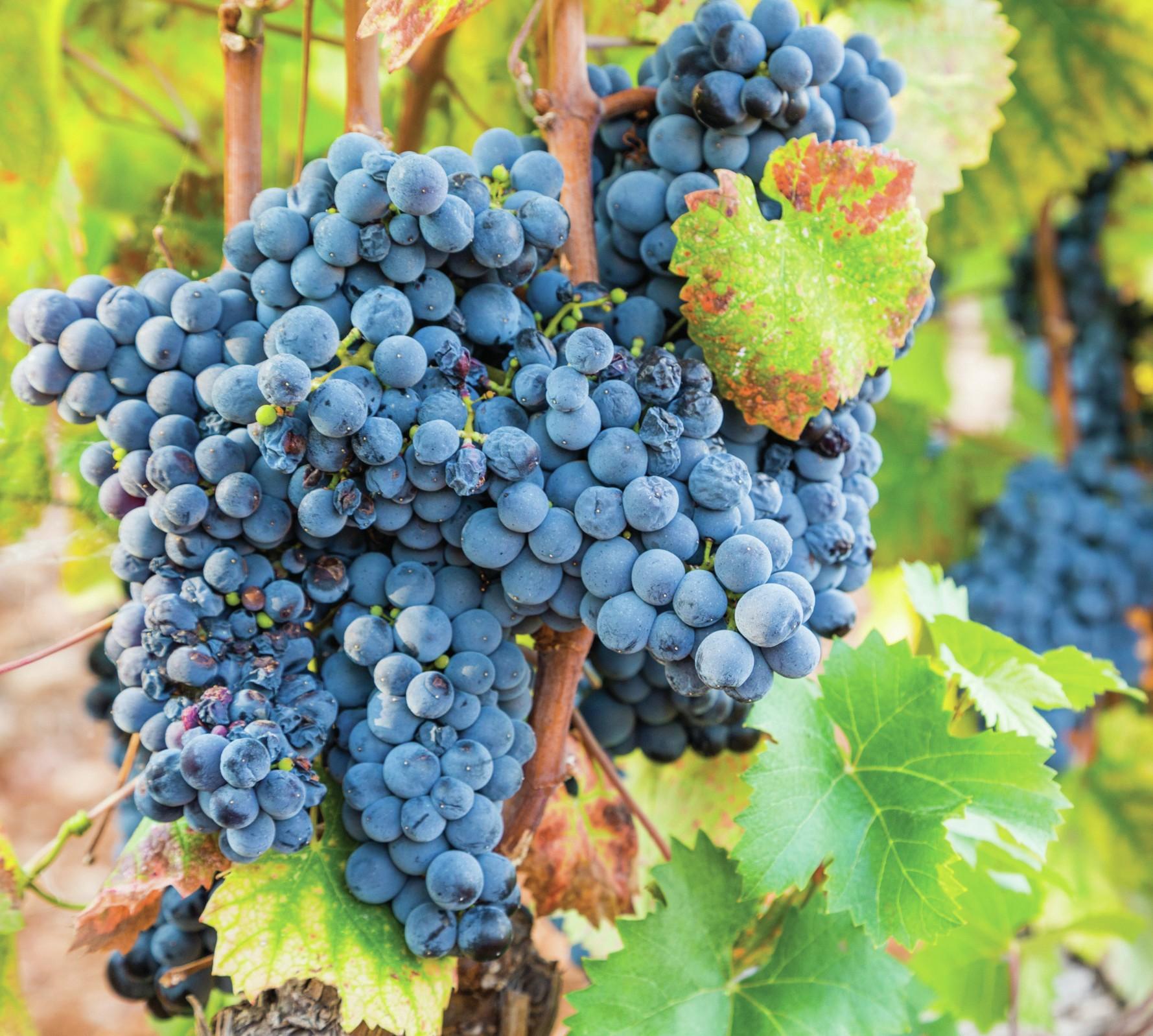
Dominic Buckwell, sommelier and director of event host Libération Tardive, notes that aged rosés range in colour from “palest blush” to “deep salmon”, and wines become less red and more yellow with age. On the nose, a decade of ageing leads to “blood orange, savoury herb and marzipan”. He also highlights a textured palate showing dried fruits (currants, stone fruit), soft phenolics and savoury balsamic/blood-rich rare steak notes in the mid-palate and finish as being typical of an aged rosé.
But let’s not get ahead of ourselves. Panellist Richard Bampfield MW reminded attendees that there’s “no question about it”: the overall perception of rosé is still that it should be drunk young. Part of that is retail-driven, with shops keen to stock only the latest vintage, but it’s also partly driven by Provence – with most rosé from the region drunk in its early days. Bampfield points out that it’s not always the aged rosés that are seen as the most luxurious, or command the highest price point. But, he reasons, there are occasions when aged rosé comes into the limelight. Often, of course, these are fine dining occasions. A survey conducted by Galoupet revealed that the most common occasion for drinking premium rosé is with an evening dinner. For the best part of a decade, says Wilem Powell, head of beverage at BiBi in London’s Mayfair, sommeliers have been predicting that gastronomic rosé would be the next big thing. “It’s still not quite there,” he admits, with most people still looking for the “fresh and bright” Provençal kind, “but increasingly we’re seeing these styles on lists better represented, which will eventually drive consumers towards it”.
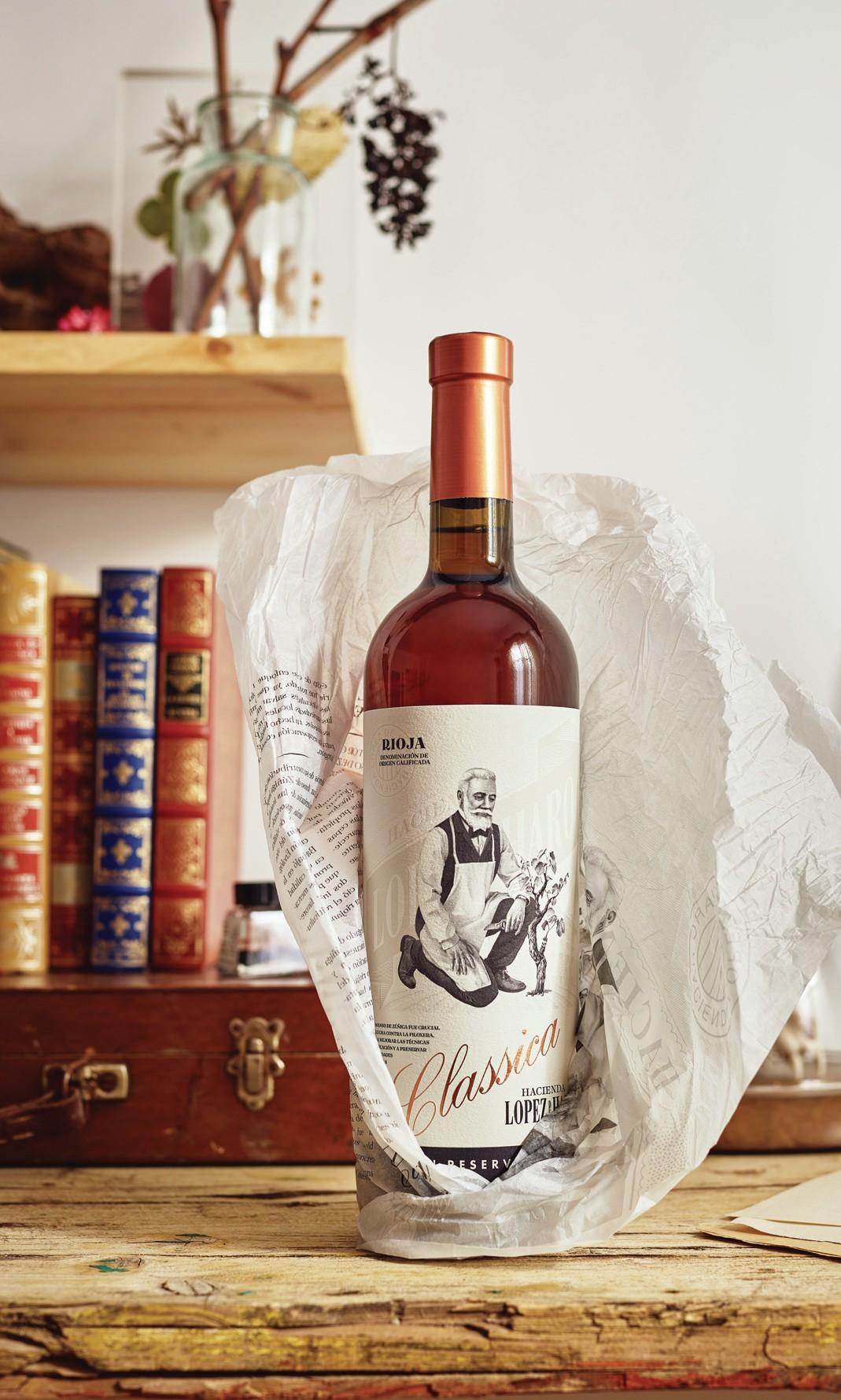
Powell says age brings “savoury depth of flavour, and often a lot more weight and texture too, which can work so well with food.” BiBi sometimes features rasam on the menu – a peppery, South Indian tomato stew that often comes with raw tuna. “The juiciness of the dish, the richness of the tuna and the hint of spice is an amazing pairing with older styles of rosé,” says Powell, who stocks several bottles of Lopez de Heredia’s Viña Tondonia Gran Reserva Rosado in the cellar.
Growing curiosity
Maria Boumpa, wine director at Bethnal Green’s Da Terra and UK Sommelier of the Year 2025, agrees that while aged rosé is far from the norm, there’s a “growing curiosity” from an increasingly “educated and adventurous” crowd. She recommends pairing an aged rosé with umami-driven or slightly oxidative dishes: roasted langoustine with bisque, pigeon with redcurrant jus or aged Comté cheese. Boumpa hopes that, as producers invest more in structure and longevity, aged rosé will become something that “sommeliers champion and consumers come to trust”. She concludes: “It’s a style that deserves a place at the fine dining table, capable of delivering exciting pairings.”
Elizabeth Hawthornthwaite, founder of Elizabeth & Wine, has also seen an uptick in aged rosé at high-end restaurants, but says: “It has to be a hand-sell – there has to be someone behind it telling a story.” She also questions whether aged rosé may be a step too far for some.
The category’s young wines are a major triumph, so does it really need to turn its hand to ageing? “Don’t be too greedy,” Hawthornthwaite cautions producers. “You’re already good at what you do.”
Nor does age necessarily mean superior quality. There are plenty of young rosés giving older siblings a run for their money when it comes to luxury. “Consumers are no longer paying for age alone; they’re paying for expertise, and for the choice an estate makes to treat rosé as a fine wine in its own right,” says Château d’Estoublon marketing and communications director Vérane Trachino. Increasingly, high-end rosés are seen as emblematic of a premium lifestyle. There’s a thirst for wines that combine freshness with structure, precision and style. “In that sense, youth is not a limitation,” says Trachino.
By this logic, a younger rosé that meets the above criteria can “absolutely command a premium price”, provided it offers a “genuine expression of quality”, she adds.
According to Victor Verhoef, global marketing director at Maison Saint Aix, partnering with lifestyle brands, luxury resorts and influencers can also give young rosé an opulent touch. “By combining format, imagery, music and collaborative experiences, producers can make younger, fresher rosés feel premium,” he adds.
Meritxell Juvé, owner of Juvé & Camps, thinks “a premium image should stand on truth, not glamour”. Even in younger rosé wines, winemakers can “elevate the experience through a strict selection of fruit and a commitment to purity. Working with estate-grown grapes, harvesting at the exact moment of balance and vinifying with restraint all contribute to a sense of refinement”.
Let’s turn to a world-famous producer making both young and ageworthy rosé wines: Château d’Esclans. There’s the Caves d’Esclans range – which includes The Pale by Sacha Lichine, The Beach by Whispering Angel, Whispering Angel and Rock Angel. But then there are the old-vine rosés: the Château d’Esclans range – featuring Château d’Esclans itself – Les Clans (made from old vines and vinified in barrels), and Garrus – the estate’s flagship wine. It’s an expression “with great breadth and depth, reminiscent of great Burgundies like Montrachet”, according to the winery’s director of communications Thomas Schreckinger.
He believes that “aged rosés will never compete with young rosés”, asserting that “they are not in the same category” and are more likely to compete with great white Burgundies, wines from Alsace or northern Rhône wines, such as Hermitage. “That being said, and statistically speaking, rosé meant for ageing – and of a gastronomic calibre – is a small and select category,” he says. Schreckinger proudly crowns Château d’Esclans “the pioneer” of crafting such wines: when Sacha Lichine acquired the estate in 2006, he sought to spark a ‘rosé renaissance’ through creating wines recognised for their elegance, richness and complexity. The producer “brought to the category a pronounced sense of premiumisation which has set a theme, inspiring a handful of others to follow in its footsteps” and creating a sub-section “that can be appreciated and embraced by serious wine consumers”, Schreckinger claims.
Over the border
In France, maybe. But, across the border in Rioja, López de Haro might beg to differ. The winery’s CEO Richi Arambarri Pérez whizzes through the modern history of Spanish rosé: consumers went from drinking large volumes of deeply coloured rosés to favouring pale pinks for more than a decade. But today, aged rosés are once again finding their feet on Spain’s wine lists.
“This marks a return to a trend that existed in Rioja more than 100 years ago,” he explains, referring to the reign of rosados, claretes and ojos de gallo, which López’ wines are created to reflect. The winery’s Hacienda López de Haro – a co-fermentation of Garnacha with white grapes – nods to the historic claretes from Alto Najerilla, for instance.
Then there’s Viñedos El Pacto, El Pacto de Cárdenas, which revives a Riojan wine style that vanished during the 1990s, and finally, there’s Hacienda López de Haro Classica. All three rosés have shown “remarkable ageing potential”, claims Arambarri Pérez, especially the first two. “So far, the current vintages have only continued to move us more deeply with time,” he adds.
Will aged rosé ever outstrip young rosé in terms of popularity? “It’s possible that consumer preferences may shift toward rosés with more structure, body and colour,” reasons Arambarri Pérez. Asked if we’re entering a new era where rosé is as cellar-worthy as reds or whites, his response is resolute: “Absolutely”.
For Richard Bampfield MW, aged rosé’s future is in winemakers’ hands. This could look like holding back stock to release at a later date: “The best way they can show confidence in their wines’ ability to age is by ageing them themselves and then releasing. If they leave it to the market to age them, the average consumer most probably won’t.” It could also look like releasing rosé wines en primeur: “That would send a really strong signal to the market – these are wines that will improve with age.” That said, young rosé should not be forgotten on the dinner table. For Maria Boumpa, it “shines with vibrancy” and benefits dishes with acidity or herbal lift, such as ceviche. “It’s also ideal for grilled prawns, or light charcuterie,” she adds. Wilem Powell agrees that food with a bit more sharpness lends itself to a younger rosé, saying: “When we can get our hands on the ingredients, we serve a veal sweetbread with a sauce of chamba chukh. It’s probably the spiciest dish we ever have on our menu, but it goes very well with a young, vibrant, juicy style of rosé.”
At the end of the day, it’s really a matter of taste. Whether you’re swanning it up at the Hamptons or deep in the throes of a Michelin starred wine list – or just cracking open a bottle on a Friday night – both young and aged rosés can offer a premium pour. Meritxell Juvé puts it best: “Luxury does not depend solely on age; it depends on intention.”
Related news
Summer brings trend-setting IGP Méditerranée
Champagne Drappier’s stand against rosé homogeneity
Bottle Briefing: Canihan Family Winery with Patrick Schmitt MW


