



Diageo pauses maltings at Roseisle as whisky sector faces deepening strain
Diageo has temporarily halted malt production at its Roseisle site, near Kinloss in Moray, in the latest sign of mounting pressure across the Scotch whisky supply chain. Farmers, maltsters and producers are feeling the squeeze as demand slows and costs rise.
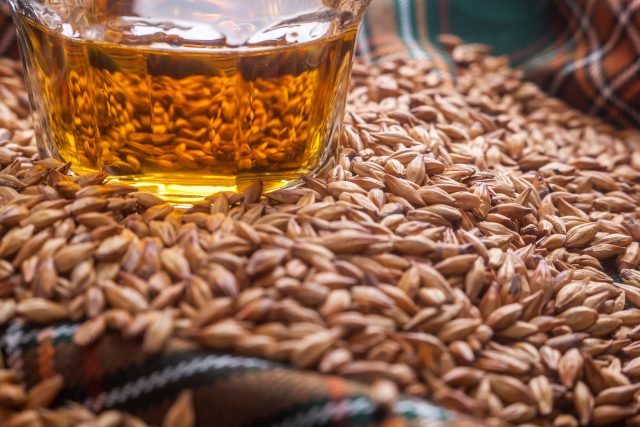
Diageo has put malt production at its Roseisle Maltings near Kinloss, Moray, on hold as the wider whisky industry continues to contract and barley growers face heavy losses this year.
A Diageo spokesperson told db: “Whilst we remain confident and committed to the long-term growth of the Scotch category, after a period of sustained growth and associated investment, we are now managing capacity requirements in line with our levels of maturing inventory.”
“Production at Rosisle Maltings has been paused until at least June 2026. Future production is currently under review and we are communicating with our suppliers as part of the normal planning cycle.”
“There is no impact on staff, who have been redeployed to other sites or roles.”
Despite this, Press and Journal reports that other sources claim the company has already told some grain merchants it will not take grain from next year’s harvest — a prospect causing considerable anxiety among growers as they try to secure contracts for 2025.
The Roseisle Maltings, which opened in 1981, has an annual capacity of 35,000 tonnes. One farmer from Elgin said that, if the rumours proved accurate, it would be a “real blow” to local growers who rely on the nearby facility.
Industry pressures mount
The strain at Roseisle is part of a wider pattern. Further south, Bairds Malt has announced it will close its Pencaitland Maltings due to a “medium-term reduction in demand”. Built in 1978, the plant has an annual capacity of 47,000 tonnes, and its closure will lead to 19 redundancies. Bairds continues to operate sites in Inverness, Turriff and Arbroath.
For growers, the uncertainty in spring barley markets is reshaping planting decisions. Banff farmer and NFU Scotland combinable crops chair Jack Stevenson told Press and Journal that a larger area of winter crop has been sown this year, with some farmers — himself included — turning to oilseed rape for the first time.
Partner Content


“As farmers, we can only hope in the next few years that demand will increase again,” he said.
“The Scotch whisky industry is worth £5 billion annually so on average we need to produce about 900,000 tonnes of malting barley each year. It would be very disheartening to see local maltings close when these plants have a distinguished provenance for sourcing locally produced barley.”
Stevenson said NFUS continues to build its relationship with the Scotch Whisky Association and is pushing for fairer and clearer grain contracts. “It’s not all about price – provenance, sustainability and lowering carbon emissions is what they are looking for. But we cannot do any of this if we are not growing the crop in the first place.”
Meanwhile, AHDB figures suggest a 30% year-on-year rise in the UK’s oilseed rape area for the 2025 harvest, reaching 391,000 hectares, driven by good yields and more favourable margins compared to other crops.
A whisky sector under pressure
The halt at Roseisle comes amid a broader downturn affecting Scotch whisky from field to bottle.
Producers are grappling with higher energy costs, shifting consumer behaviour and a weaker global market. Rising fossil-fuel prices have pushed distillers to upgrade equipment and rethink energy use, with some turning to biomass to cut costs and emissions.
Demand challenges are also evident at the premium end of the market. Noble & Co’s Whisky Intelligence Report shows that auction values for rare whisky fell 50% year on year in Q2 2024, with volumes down 52%. Bottles aged over 50 years saw unsold rates jump to 37%, and even major names such as The Macallan have recorded sharp drops in auction value.
At the same time, growing tax pressures are weighing on producers. The Scotch Whisky Association has called for a multi-year spirits duty freeze, warning that duty rises of 14% over two years have pushed the tax burden on Scotch to more than £12 per bottle — with £7 in every £10 bottle going to the Treasury.
SWA chief executive Mark Kent recently said the industry is at a “crossroads” and urged the Chancellor to “step away from damaging counterproductive duty rises”.
Related news
Diageo beats expectations as early signs of turnaround emerge


