



Fermentation finds its place behind the bar
Miso in your martini? Koji in your whisky? A new generation of bartenders is fermenting its way to the future of flavour. Beverage director from New York’s Clemente bar Sebastian Tollius.
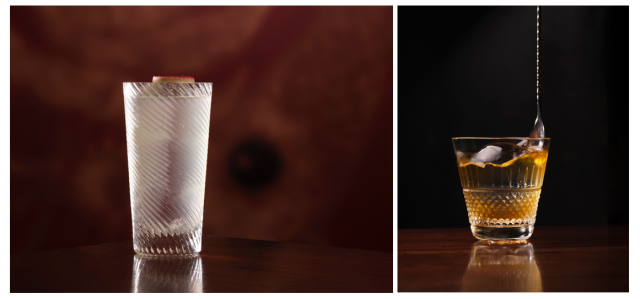
Housed alongside the Michelin-starred Eleven Madison Park, Clemente bar is the restaurant’s more intimate counterpart — a moody, amber-lit space where the sound of ice meeting glass punctuates low conversation. On the back bar, jars and small tanks glint under soft light, filled with house ferments in various stages of transformation. This is the laboratory of beverage director Sebastian Tollius, whose creative direction has helped earn Clemente Bar the title of 11th Best Bar in North America.
Tollius is among a wave of bartenders reimagining cocktail architecture through fermentation — using miso, koji and amazake as building blocks for depth and texture rather than sweetness. “Fermentation has always fascinated me because of how it transforms ingredients and brings out unexpected layers of flavour,” he says. “At Clemente, we look to the markets and what’s in season, then think about what we can coax out of an ingredient through fermentation, whether it’s brightness, funk, or umami. We taste as we go and let the ingredient lead.”
The result is a menu that blurs the line between culinary and cocktail craftsmanship. Sakura Heights (vodka, cherry blossom, coconut miso, umeboshi cream), La Tomatina (tequila, olive sake, shio koji tomato water, amazake) and Against the Grain (single malt, shochu, barley miso) each demonstrate how fermentation can anchor a drink’s entire structure.
Tollius calls it a matter of balance and restraint. “We take the classic structure of an Old Pal cocktail but blend in a savoury cacao and allspice miso,” he says of Clemente’s Three Boxes serve. “We pull flavours from nostalgia — taking a Girl Scout cookie as inspiration — and put our own twist on it by incorporating pandan, tahini and the miso, which brings depth and savouriness without overpowering the original’s clarity. The biggest lesson is restraint: a little goes a long way, and the goal is to support the cocktail, not dominate it.”
A shift in taste
The move towards savoury cocktails reflects a broader change in global drinking culture. Bacardi’s 2025 Cocktail Trends Report identified fermentation and umami as two of the most influential flavour profiles set to shape menus through 2026. The report also found that nearly three-quarters of bartenders now draw direct inspiration from the culinary world when designing drinks, signalling a blurring of the line between kitchen and bar.
Partner Content


Bars such as Tayēr + Elementary in London and The Aviary in Chicago are following suit, experimenting with miso bases, kombucha reductions and koji-infused syrups to achieve the kind of layered flavour once reserved for restaurant plates. As Bacardi notes, drinkers are seeking “depth, earthiness and restraint over sweetness” — a desire that has helped propel fermentation from niche curiosity to mainstream luxury cue.
Process, precision and guest curiosity
Working with living, evolving ingredients like miso and koji brings complexity to both flavour and process. “Consistency is all about process and tasting,” says Tollius. “We keep close tabs on each batch, and we’re not afraid to tweak ratios or blend different batches for balance. It’s a lot of trial, error and note-taking, but that’s what keeps it interesting.”
The response from guests has been overwhelmingly positive. “Guests have been super receptive, curious, sometimes surprised, but always engaged,” he adds. “People are definitely more open to savouriness and layered profiles than even a few years ago. It sparks conversation and a different kind of appreciation for the Clemente Bar programme.”
Beyond the trend
For Tollius, fermentation represents more than a passing phase. “I think fermentation is here to stay,” he says. “It’s less about a trend and more about bartenders having another tool to express flavour — just like cooks have done for ages. The interest in complexity and texture isn’t going anywhere.”
As consumers continue to favour nuance over novelty, the rise of ferment-forward cocktails suggests a permanent evolution in the language of flavour. And in the dim glow of Clemente Bar, that future already feels quietly — and deliciously — alive.
Related news
Top 6 findings from the ProWein Sparkling Report
Online searches 'through the roof' for Sancerre and chilled reds
Brewdog offers £1 million bar tab if England, Scotland or the US reach the World Cup Final


