



What makes Vouvray a hidden gem of the Loire?
Winemakers in Vouvray have learned to express its complex terroirs and embrace the potential of Chenin Blanc. Despite the vignerons’ natural stoicism, they have found themselves ready to take on the world.
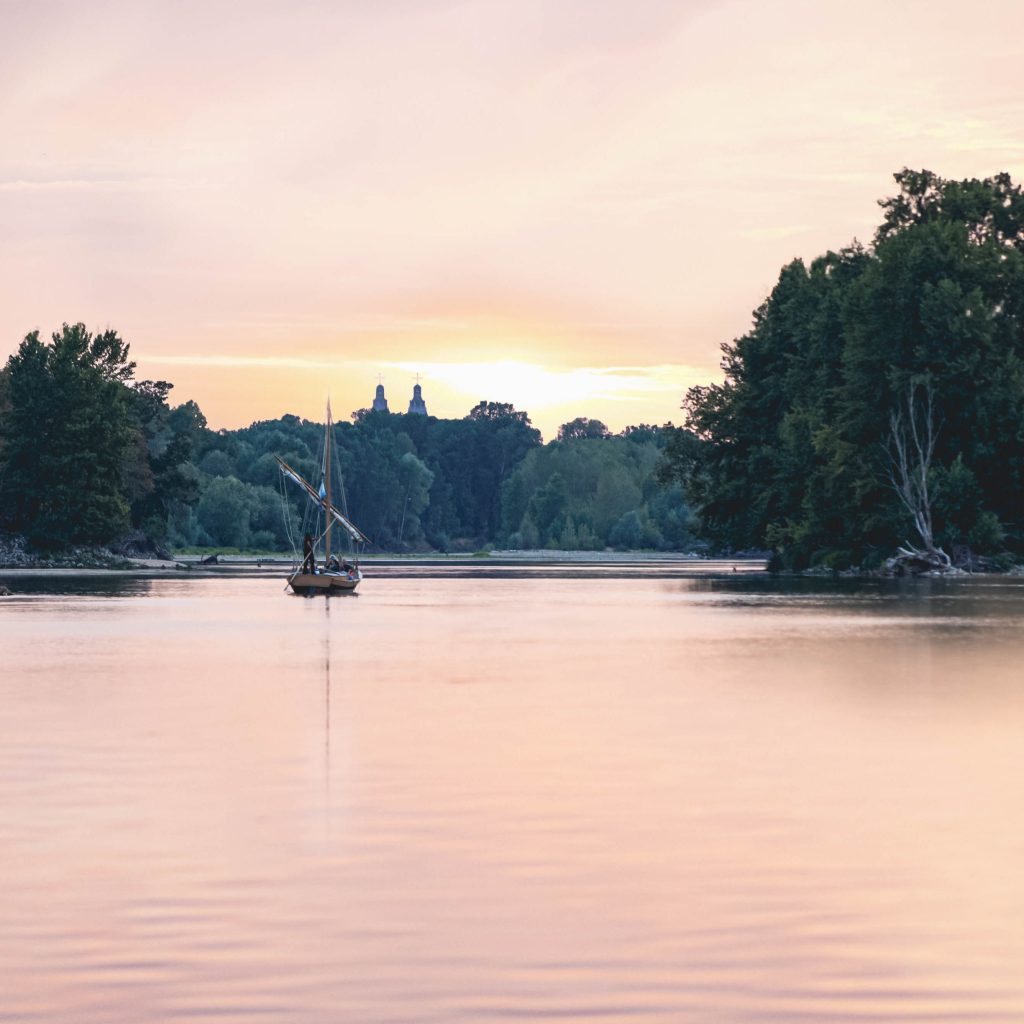
In the northern hemisphere, viticulturalists might now be allowing themselves a breather. The autumn requires nimbleness from any winemaker. As grapes – to a greater or lesser extent – reach maturity on the vine, a well-oiled machine faces off against unpredictable nature. The perfect balance must be struck, weighing potential versus risk to bring in the best crop possible. Then, of course, a whole new challenge arises: how to guide your harvest through the precarious first steps of winemaking. Still, the first hurdle has now been overcome.
It is a story repeated all over the world. Yet in Vouvray, the most famous appellation of the middle Loire, the negotiation between the winemaker and the land is especially delicate. Although the appellation uses just one grape variety, Chenin Blanc, the range of styles it produces means that every vintage presents a new selection of opportunities and challenges.
In France, the small region is best known for its sparkling wines: crisp, elegant expressions that ferment and age in the bottle, often in vast cellars hewn from the limestone bedrock. Yet the AOC also produces dry and medium dry wines that balance freshness and ripe fruit aromas, in wines that are vibrant in youth, but also able to age.
Fine wine lovers, of course, would seldom forget Vouvray’s sweet wines. When conditions are just right, mists from the Loire and its tributaries envelop the vineyards and allow botrytised wines to be made. The best are intense, precise and so long-lived as to seem eternal.
Each style requires different skills and resources. An individual vintage may be a blessing for one expression and a challenge in making another. In the remarkable terroir of Vouvray, that is the dance that begins anew each year for its winemakers.
A good year
For 2025, the dance in the vineyards is done. Speaking to representatives from the appellation, it seems to have been a successful one.
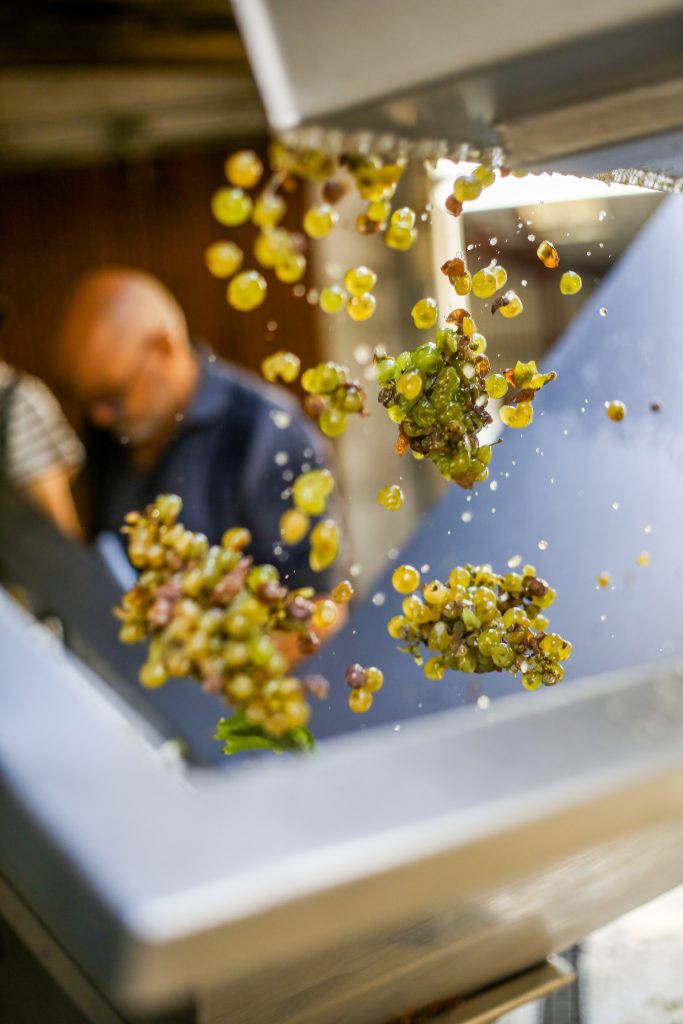
Locally, the representatives say, there is a supposition that every five years comes a very good vintage. It held true for previous years – 2020, 2015, 2010 and even further back – and, according to early signs, will be the case for the 2025 harvest.
This might broadly be attributed to a warm, sunny summer, but one that still provided enough rain to support the vines. Moderate conditions in September then ensured that the grapes were adequately ripe and, just as crucially, provided no meteorological drama to disrupt the harvest. Vouvray, evidently, was feeling particularly kind this year.
Those weather conditions have particularly benefitted the still wines, which are showing ripe and complex aromas while still holding Chenin Blanc’s characteristic freshness. The sparkling wines, meanwhile, have a slightly fuller character, compared to the tautness that might be evident in a cooler year.
It is for sweet wines, however, that there is most palpable excitement. While sparkling, dry and medium dry wines can be made in almost any vintage, botrytised wines are the most particular about the year’s conditions. They require, fittingly, a sweet spot in the weather patterns. This year, the warm September days provided just that, allowing the fruit to reach wineries in ideal condition.
Vouvray at home
The locals are not getting ahead of themselves, approaching the vintage with typical stoicism. They are, by temperament, down-to-earth people, humble in their approach. Yet they know well the embarrassment of riches that Vouvray provides.
Perhaps the best way to think of them, an appellation representative explains, is as a ‘peasant nobility’. The Loire is, after all, synonymous with grand châteaux and the impressive trappings of French history. Vouvray is almost precisely in the middle of the Unesco World Heritage site stretch of the Loire.
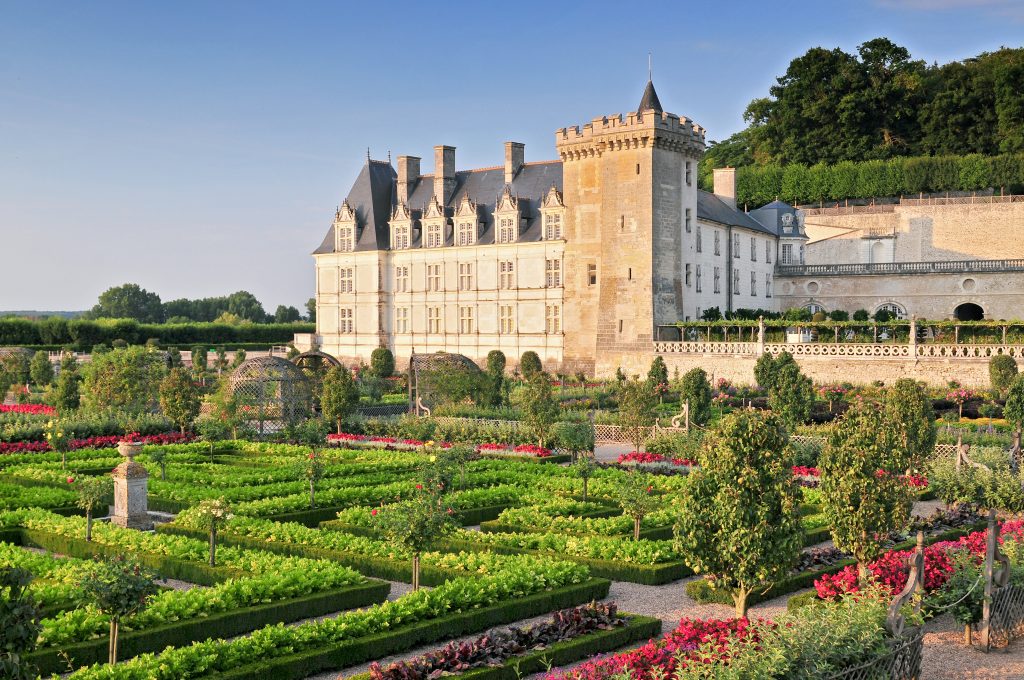
The same tuffeau – a type of soft chalk – that is so synonymous as a building material for châteaux is also central to Vouvray terroir. It is the base of the appellation’s plateau, meaning vineyards on the edge are dominated by the chalk. Yet the deposits of clay and flint, as well as wind-blown loam, atop the plateau mean that there is no single vision of Vouvray terroir.
Its quality, however, is never in doubt. While the local châteaux may house priceless artifacts, the winemakers’ treasures are Vouvray’s diverse plots. The very best of these are lieux-dits or – if walled – clos, exemplary single sites that have earned their reputations over centuries.
That speaks to winemaking nobility, but, of course, the local vignerons are still farmers. They approach their work with the hard work and gentle pride more associated with peasants than with lords.
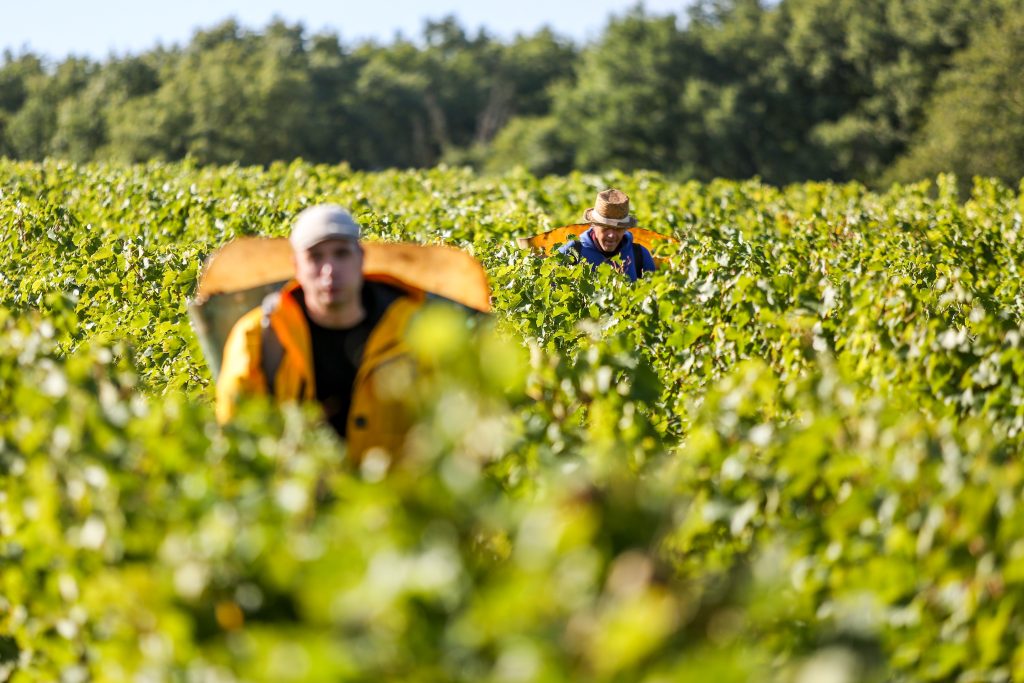
Even if those in the know associate Vouvray with fine wine, in the town itself it is part of the ‘art de vivre’ – the way of life. Well into the night, you will likely find winemakers sat around tables laden with rillettes de Touraine and other local specialities, glasses of Vouvray in hand. With such a variety of styles made, they find wine for every moment and every conversation.
Indeed, for its winemakers, Vouvray is simply part of the fabric of everyday living. Much as tradition dictates one should be grateful for ‘le pain quotidien’ (or daily bread), Vouvray’s inhabitants give thanks for ‘le vin quotidien’.
Turning to the future
The modern world is an uncertain place. Whether one thinks environmentally, politically or economically, all wine growing regions are facing significant challenges, and Vouvray is no different. Discussing the future, however, is met with a stoic smile. In the current climate, Vouvray is safeguarding its winemakers.
The optimism, a marked contrast to many winegrowing regions now fighting for their future, derives from Vouvray’s particular, often intrinsic advantages.
As a starting point, the appellation has a focus. With just Chenin Blanc being made, local vignerons have been able to adapt quickly and explore the most granular detail of how to care for the grape. The single-minded approach has put Vouvray ahead of the pack.
Then there is climate change. Warmer years and more unpredictable weather are both on the horizon, a challenge that could interrupt the subtle understanding between generations of winemakers and the land. Fortunately, Chenin Blanc is hardy, resisting water stress and showing off its appealing acidity even in hot years. Future vintages might lessen yields or tax the winemaker more, but quality, the bedrock of the appellation, is secure.
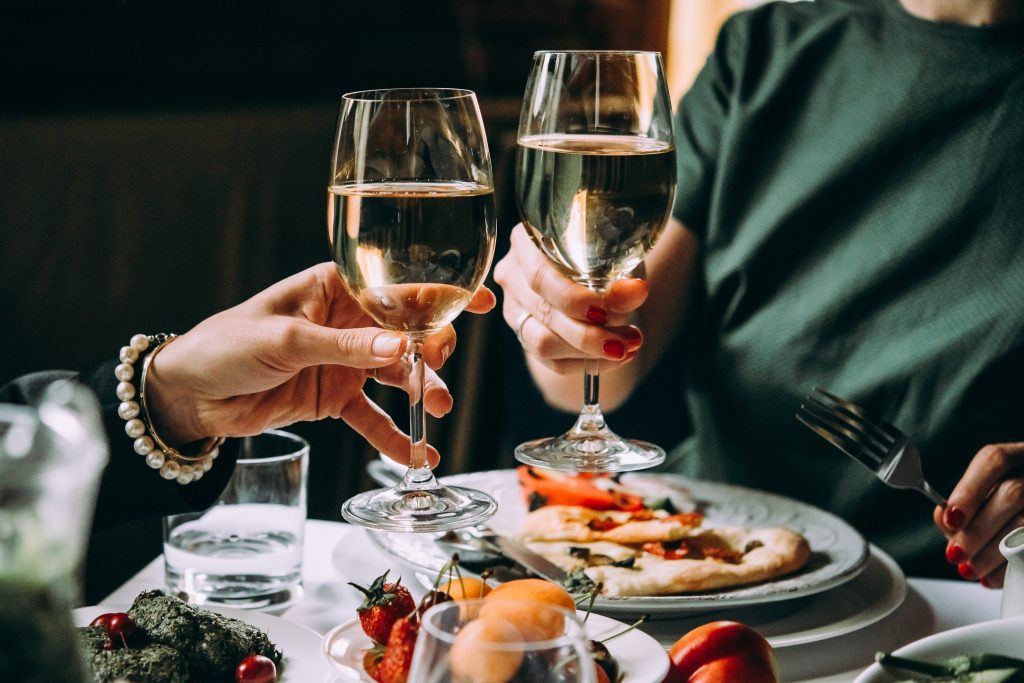
With that reputation for quality, as well as a specialism in white and sparkling wines, Vouvray is in fact ready to take more of the spotlight. The world is, by and large, drinking less wine than previous years, but white and sparkling wines are most resistant to the downturn. Such is the case in Vouvray: in the UK, its second biggest export market, value sales rose 51% last year.
In particular, the story of Vouvray’s still dry whites – great value wines with a distinct character and a local connection – is reaching those key export markets. No wonder, then, that the appellation’s main message is that Vouvray is the Loire’s hidden gem.
Each year, of course, is changing Vouvray. It now exists in an international market; it hosted for instance, the Chenin Blanc International Celebration this summer, recognising that its local grape is now a global star. You also see an acceptance of new economic realities in the strategies of estates, such as a firm focus on oenotourism.
Yet Vouvray holds true to itself. While it finds new ways to reach new drinkers, the cautious dance between winemakers and the land, a diligent effort to reveal the best of the terroir, is unchanged. It was the same when the appellation formed, almost 90 years ago, in 1936. It was the same when monks planted vines in the gardens of medieval monasteries. Like the best of Vouvray’s wines, some things are eternal.
Related news
From innovation to gastronomy: why Hungary is having a moment
“The only way to build a wine is by making fewer bottles than the market needs”


