



Sing Gloria: the remarkable vineyard behind a competition champion
Having triumphed at db’s Autumn Tasting, Kollwentz Chardonnay Gloria 2023 shows the quality of Austrian single vineyard production. So what marks the Leithaberg site as world beating?
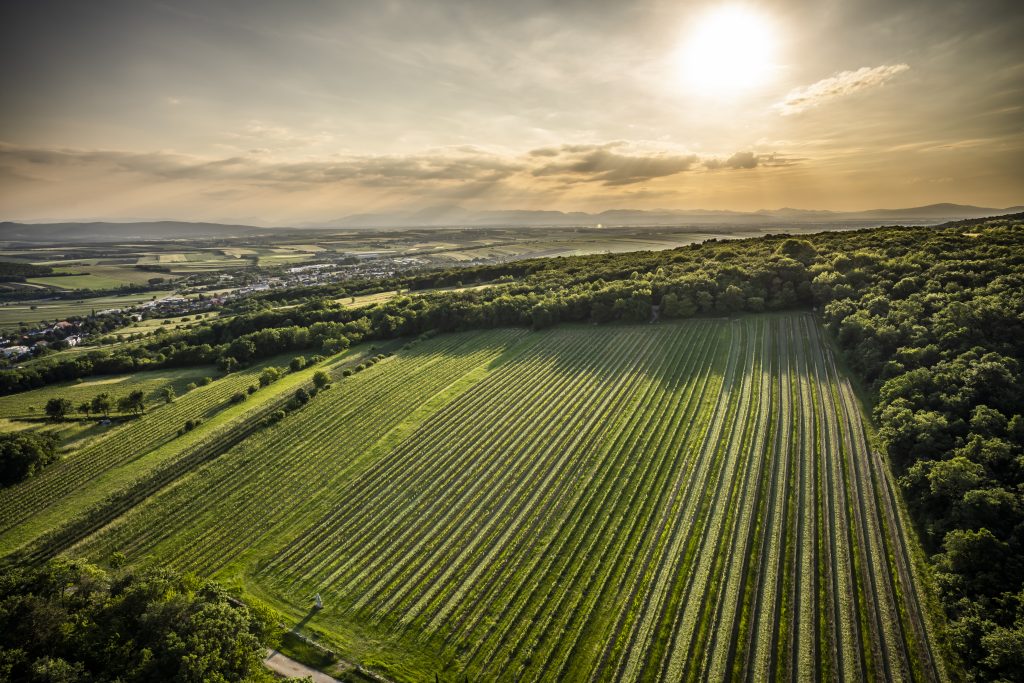
Perhaps it was almost meant to be. If you are the type to believe in fate, or even nominative determinism, the Gloria vineyard in Austria’s Leithaberg region was always destined for glory.
It has certainly achieved that. Kollwentz Gloria Chardonnay 2023, hailing from the Leithaberg region in Austria’s east, was named Grand Master at the drinks business Autumn Tasting, the highest award bestowed at the competition.
Yet to assign the success purely to fate is a disservice to the vineyard’s remarkable quality, and indeed the careful work at Kollwentz. The award-winning wine is the result of exceptional terroir, yes, but also of careful decision making on the part of its winemaker, Andi Kollwentz.
The Gloria vineyard
At just 5.25 hectares, Gloria (also known as Glagsatz) could be described as small but mighty. Its scale is comparable, for instance, to the grand crus of Burgundy: in terms of size, it would sit between La Tâche and Chapelle-Chambertin.
The Burgundy comparison, in fact, holds true on several levels. It is also comparable to a grand cru in its age. The first references to Gloria are from 1570, pre-dating the first records of La Tâche. As in Burgundy, Chardonnay’s prominence in the region is older still, and thanks to the Cistercian monks who introduced it around 1150.
Gloria, however, is no copycat. Its unique position in turn creates a unique terroir.
Leithaberg’s vineyards are, both in location and style, caught between two geographical features. The Leithaberg mountains, to the west, bring cooling elevation and shelter. Lake Neusiedl, to the east, contributes warming winds and humidity.
Though influenced by both, Gloria is defined by the mountains. Sat between 300 and 325 metres in elevation on those hills, it is one of the highest single vineyards in the entire region. The elevation cools the site, as do the woods that surround it on four sides. The growing season is thus long, supporting slow and complex flavour development.
Yet the site’s southeasterly aspect ensures it has plenty of sunshine, especially in the morning. Not only does this promote ripening, but it also dries out the grapes early in the day, preventing the morning’s humidity blowing off the lake from encouraging rot.
The final piece of the terroir puzzle is the soil. It is brown and rocky, notably dominated by limestone. Indeed, the topsoil is just 40 centimetres deep, below which is a stratum of limey rock. The impact of geology on wine is much debated, but it is widely acknowledged that limestone helps regulate water access. Such soils are usually also thin and infertile, forcing vines to struggle and thus promoting aromatic concentration.
The Grand Master expression
The Gloria vineyard offered the basis for Kollwentz’s award winner, with the winery owning 3.2ha in the site. The wine was still realised, however, through a complex growing season and precise winemaking.
As a vintage, 2023 was mixed, but ultimately successful. April rains, which gave the vines the necessary water after a dry winter, were followed by a cool May that slowed vegetative growth. Flowering, however, coincided with a hot, dry phase, offer.
The greatest challenge of the season arrived in July, as another round of rain arrived. It helped nurture the crop, but nonetheless increased the threat of diseases, especially fungi. The vineyard team had to manage the canopy carefully, ensuring adequate aeration. In facing that threat, Gloria’s sunny mornings proved their value.
Fortunately, August saw the start of a prolonged period of warm weather – vital, as the vines were around two weeks behind their usual cycle. This period of ideal weather extended well into the autumn. Thus, the winery could begin its harvests on 12 September and continue picking towards the end of October.
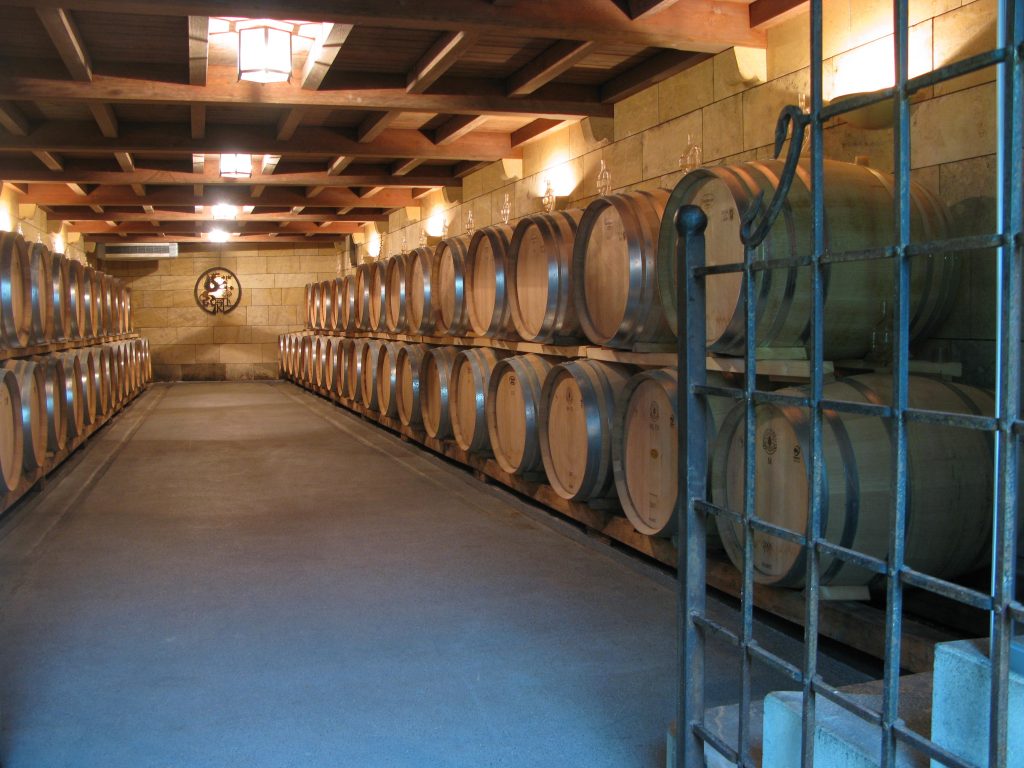
The Chardonnay from Gloria was hand-harvested – essential for protecting its complex aromas – before heading to small oak barrels. There, the wine underwent both fermentation and maturation, spending 12 months ageing in contact with its lees. That period in oak was followed by six months in stainless steel, offering a more protected environment for further aromatic development.
The result, tasted two years after the harvest, is a worthy champion at the recent competition. Below, Patrick Schmitt MW, chair of the Global Wine Masters competitions series, offers his tasting note.
Kollwentz Chardonnay Gloria 2023
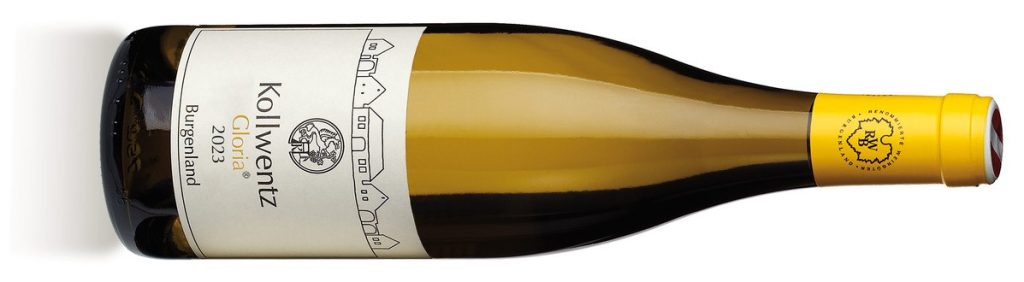
- Producer: Kollwentz
- Region: Burgenland
- Country: Austria
- Grape variety: 100% Chardonnay
- ABV: 14%
- Approx. retail price: £73
‘Wow’ is the best single word to describe this wine after just one sip. Worthy of grand cru Burgundy status, yet cheaper than your average village-level Meursault, this Austrian Chardonnay is certainly not cheap, but affordable considering the quality – that is relative to the benchmarks. Aromatically, it’s all subtle smokiness, with a whiff of freshly-struck matchstick, then hazelnuts and citrus. In the mouth, it’s layered, mouth-filling and refreshing, with toast and cedar wood mixing with white peach and fresh grapefruit, then a finish with some chalkiness to the texture, and lingering notes of grilled lemon and crushed rocks. One glass won’t be enough, and a wine to serve blind if you enjoy surprising those wedded to high-end Bourgogne blanc.
Related news
First 5,000 bottles produced from Pope's vineyard


