



Cape Winemakers Guild smashes result as buyers ‘blown away by the quality’
With the recent Cape Winemakers Guild auction smashing its pre-sale, South Africa’s fine wine scene is garnering increasing attention as prices, quality and reputation continue to grow, Bordeaux Index’s global sales director, David Thomas tells db.
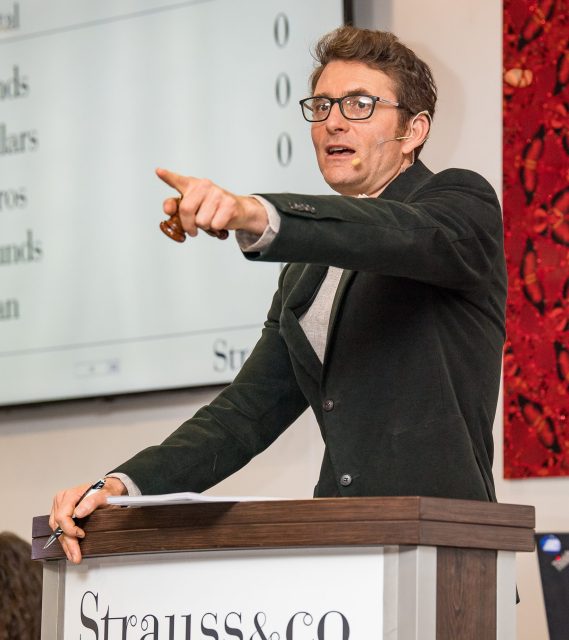
The annual auction, which is now in its 41st year, was held in Somerset West in South Africa at the weekend, achieving R17.215million (£752,295). This is an 3.6% increase on the previous year’s R16 million (£695,770), itself a 10% rise from 2023.
The weekend’s sale was a ‘white glove’ sale, with 100% of lots sold, each lot sold at 98 % of the high estimates, according to a spokesman from Strauss & Co, who conducted the auction. Overall there were 502 lots (around 43 fewer than last year) with 48 wines going under the hammer, comprising 17 white wines, 30 red wines, and a pale dry, for the first time. Overall, 1,912 six-bottle cases were sold, with an average price of R1,501 per bottle. This breaks down into R1,419 for white wines (up from R1,210 last year) and R1,550 for the reds, (an increase of R175).
The lots that achieved the highest prices included six-bottle cases of: Andrea Mullineux’s Mullineux ‘The Gris’ Old Vine Sémillon 2024 (R25 000 for a six-bottle case), Donovan Rall’s Rall Noa Syrah 2023 (R19 000), Samantha O’Keefe’s Lismore Estate Vineyards Valkyrie Chardonnay 2024 (R17 500), David Nieuwoudt’s Cederberg Black Slate Shiraz 2023 (R16 000) and Carl Schultz’s Solo Wines Auction Cabernet Sauvignon 2023 (R15 000).
Strauss & Co auctioneer and wine specialist Roland Peens said the robust bidding and pricing demonstrated “the quality of the Cape Winemakers Guild wines and brand”.
“With increasing international and trade interest, this auction continues to drive South African fine wine,” he said. Overall, 258 registered bidders from 13 countries registered for the sale, including Austria, Belgium, Czechia, Denmark, Germany, Hong Kong, Luxembourg, Netherlands, Switzerland, Taiwan and the UK. There were 87 successful bidders, with 64% of sales going to South African bidders – an increase on last year’s 55%. The UK saw next highest amount, with 18% of sales (down from 28% last year), and the remainder being sold to overseas bidders.
The UK’s Bordeaux Index was the top buyer this year (the third consecutive year it has been), followed by South Africa’s Southern Sun Hotels and Grootbos Private Nature Reserve and Denmark’s SA Wineimport.
‘Blown away by the quality’
Bordeaux Index global sales director, David Thomas db that the team had been “blown away by the quality of the wines” the first time it had participated and things had developed from there.
“Overall, the quality was much higher than I expected and one or two of the wines were truly world class brilliant. And so we went and had a very successful bidding campaign on the first one, and it’s just really grown from there.”
The team predominantly buys the wines “that we think are the best”, but also in line with customers’ preferences, he said. For the last few years, the team have held a Cape Winemakers Guild tasting for around 40-50 clients, who pledge an amount for Bordeaux Index to bid on their behalf, “If they’ve got preferences on the wine styles or the grape varieties they like, we can focus on those, but predominantly we buy the wines that we think are the best.”
And South Africa is an attractive wine producing region for UK buyers in particular, being easy to get to and with no time difference, he pointed out.
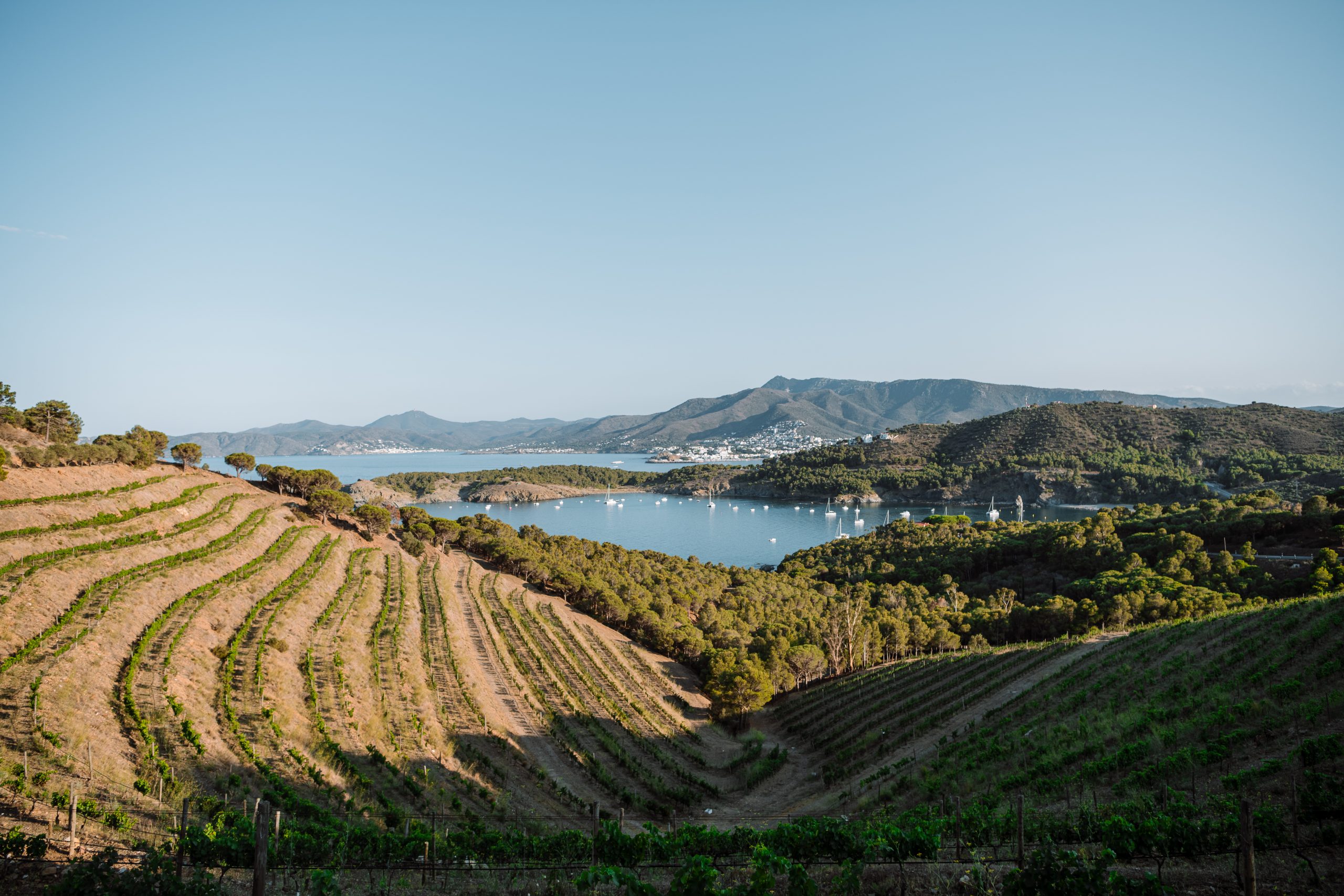
“It’s an amazing place to visit in terms of food, wine, landscape, scenery and also cost, as it’s such a reasonable place to be. A lot of clients do go out there on holiday, or a few clients have properties out there, and so they’re very supportive of South African wines,” he explained. “And while the quality of wine made everywhere globally now is higher than it’s ever been, South Africa has accelerated quicker than most.”
Partner Content

There is no doubt that some of the country’s old Chenins, Syrah and Cabernets can age “brilliantly” – and people are beginning to realise that.
“Some of the wines are so new to market that it’s hard to know what they’re going to be like in 15 years, but you can see they’ve got the elements to age gracefully,” he added. “Having tried wines from the 1960s from South Africa when I was last out there, there are some absolutely stunning wines – and even some brilliant old Pinotage, which I never thought I’d say.”
And the country’s top winemakers are “doing everything right at the moment” to build their reputation.
“They travel a lot, they get out a lot, they’re happy to come and pour their wines, and host dinners. And they work together collectively, in South Africa and globally, so they’re doing everything correctly to build a reputation. And as a group, I think they’re very exciting.”
Another noticeable and exciting quality is the “collective” approach within the South Africa’s winemaking community, which is encouraging and supportive – “It reminds me of the early 2000s when the Barossa growers began to work together to promote Barossa, as [a region],” he said.
“It shows passion and understanding for the country’s winemaking and not just your own.”
However, the secondary market for these wines remains “relatively untested”, as “it’s very hard to make a secondary market when there’s only 40 cases available. Most people buy them and keep them rather than releasing them back on the market.”
Predicting where the pricing can go is hard with very minimal data to go on, but there will come a time “in a few years time”, when clients who are buying and storing these wines in bond will start to test where the pricing is by releasing a case or two back onto the market, he notes.
Guild members
This guild comprises 42 of South Africa’s leading winemakers, who reflect an energetic cross-section of South Africa’s wine industry, spanning different generations, styles, and regions. The event was founded in 1985, and members funds a development trust and, since 2006, a Protégé Programme for up-and-coming winemakers. It also assists a bursary for promising final year students at Elsenburg College and Stellenbosch University which helps to identify the protégés.
Around R671,400 was raised this year by members for the Protégé Programme through the annual Cape Winemakers Guild Protégé Auction, which took place online between 21 August and 6 October 2025.
Strauss & Co executive director and auctioneer Susie Goodman noted that developing legacies was “a cornerstone of the Strauss & Co vision”, and tasting some of the Protégé wines this weekend “affirmed that winemaking in this country has a bright future.”
Related news
What drinks legislation would you change?


