



Jägermeister victory ‘sends a clear message to the market’ in Alten Kräuterfrau dispute
EU officials have rejected Polini Group’s Alten Kräuterfrau trademark bid after finding it would take “unfair advantage” of Jägermeister’s branding. The ruling, described as sending “a clear message to the market”, reinforces the power of reputation in the spirits sector.
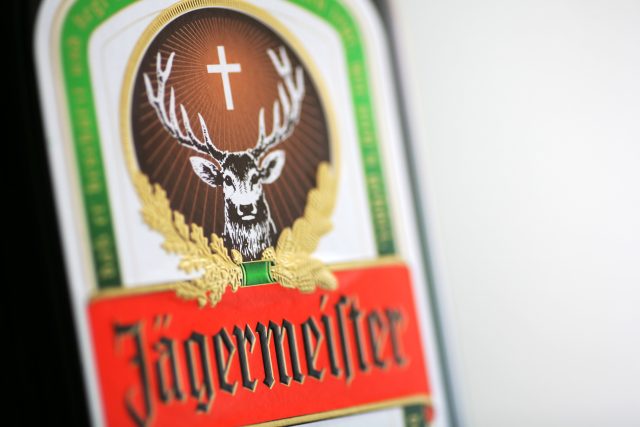
A decision published by the EU Intellectual Property Office (EUIPO) has ended a protracted dispute between German herbal liqueur Jägermeister and Italian producer Polini Group, maker of the 35% ABV spirit Alten Kräuterfrau.
The dispute dates back to 2021, when Jägermeister first challenged Polini’s application to register a Gothic-styled logo over a green, red and gold background. At the time, as reported by Law360, the EUIPO’s Opposition Division found the two marks to be dissimilar and rejected Jägermeister’s protest.
The office ruled in December 2022 that while the logos shared “a low degree of conceptual similarity”, the overlap was insufficient to confuse.
Board of Appeal reverses course
However, Jägermeister has now persuaded the EUIPO’s Board of Appeal to overturn that ruling, arguing that the visual configuration and gothic typeface created an association in the minds of consumers.
In its September 2025 decision, the Board of Appeal stated: “The contested sign can profit from the attractiveness and the value vested in the earlier mark, which has been achieved by the opponent by costly marketing efforts and long-term presence in Germany.”
Partner Content



The panel concluded that, even if visual and phonetic dissimilarities were present, the “remote conceptual similarity” and colour scheme overlap were enough to suggest Alten Kräuterfrau might ride on Jägermeister’s “coattails” in the marketplace.
Industry reaction
Speaking to the drinks business, Mariana Köpf, trade mark attorney at European IP firm Withers & Rogers, said: “It’s taken some time, but this is an important victory for Jägermeister, particularly as its initial attempt to block Polini Group’s trade mark application was originally rejected.
“Turnarounds at [the] Board of Appeal stage are not that common. In this case, the EUIPO’s Board of Appeal recognised that there were undeniable elements of visual similarity between the two marks that could be sufficient to cause consumers to believe that the two drinks were associated in some way. Here Jägermeister’s reputation played an important role, as the BoA argued that the trade mark application could benefit from the attractiveness and the value vested in the earlier mark.
“The outcome in this dispute sends a clear message to the market that Jägermeister means business and is prepared to defend its intellectual property rights wherever and whenever needed. This should deter rival drinks companies from attempting to ride on its coattails in the future.”
Wider implications for drinks producers
The case shows how even a limited degree of conceptual similarity can be enough to block a trademark if the original brand enjoys strong market recognition. Köpf added that the decision should “deter rival drinks companies from attempting to ride on its coattails in the future” and serves as a reminder of “the valuable role that trade marks can play in protecting their position in the European and UK drinks markets at a time of intense competition”.
The ruling also mirrors a separate 2023 EUIPO case concerning Jägermeister and another herbal spirit, where the Board of Appeal found that similar use of colour, shape and graphical arrangement could still justify closer scrutiny, even when figurative details differed.
Related news
Jägermeister Pantone bottles set to become collector items


