



Patrick McGovern, ‘Indiana Jones of ancient wine’, dies at 80
Patrick E. McGovern, a celebrated biomolecular archaeologist who revealed the deep history of wine, beer and mead, has died at the age of 80. His forensic investigations into residues on pottery reshaped our understanding of alcohol’s role in civilisation.
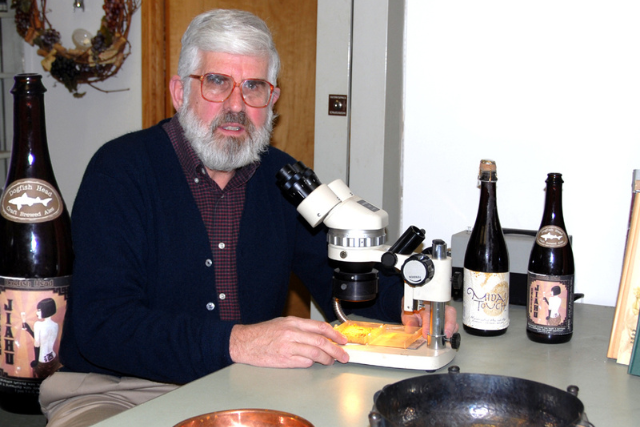
Patrick Edward McGovern (pictured) was born on 9 December 1944 in Texas and grew up in New York. He studied chemistry at Cornell University, then moved into neurochemistry at the University of Rochester before completing a doctorate in Near Eastern archaeology and literature at the University of Pennsylvania. According to the University of Pennsylvania Almanac, this unusual academic path set him on a course to bridge the sciences with the humanities.
He joined the Penn Museum in 1977 and remained there until his retirement in 2014, serving as scientific director of the Biomolecular Archaeology Project for Cuisine, Fermented Beverages, and Health, while also teaching as an adjunct professor of anthropology.
Rewriting the history of drink
McGovern’s work applied chromatography, spectroscopy and DNA analysis to ancient vessels, uncovering evidence of early fermentation across the globe. He identified a mixed honey, fruit and rice beverage from Jiahu in China dating to between 7000 and 6600 BC, widely considered the world’s earliest known alcoholic drink.
He also demonstrated the presence of wine residues in pottery from Hajji Firuz in Iran, dating to around 5400 BC, and from Georgia around 6000 BC, the latter findings pushing back the accepted origins of viniculture. The Penn Almanac further reported his analyses of residues from Egypt and Mesopotamia, pointing to bread-based beers brewed more than 5000 years ago.
In Mesoamerica, he uncovered chemical traces of cacao used in fermented drinks as early as 1400 BC. These discoveries underscored the near-universal human impulse to ferment what nature offered.
Partner Content


From tomb to tap
McGovern’s work was not limited to scholarly journals. He partnered with modern brewers to bring ancient flavours to life. One notable project was the recreation of a funerary drink found in vessels from the burial of King Midas’s father at Gordion in Turkey. This inspired Dogfish Head Brewery’s ‘Midas Touch’, as per the University of Pennsylvania.
Other collaborations led to beers such as Chateau Jiahu, based on the Chinese discovery, and Theobroma, reflecting a cacao-based beverage. These commercial ventures allowed contemporary drinkers to glimpse the taste of history.
The man and his influence
Colleagues described McGovern as both rigorous and imaginative. According to the Philadelphia Inquirer, his intellectual curiosity and willingness to cross disciplinary boundaries made him a unique figure in archaeology.
His books, including Ancient Wine: The Search for the Origins of Viniculture (2003) and Uncorking the Past (2009), combined scientific detail with narrative flair and remain significant references for scholars and enthusiasts alike.
Patrick McGovern died on 24 August 2025 at his home in Media, Pennsylvania, following complications from cancer. He is survived by his wife Doris.
Related news
Top 10 most valuable wine and spirits heists in history


