



Sweden’s alcohol law shake-up ‘revolutionary’ for Almqvist Destilleri
After more than a century of strict state control, Sweden’s new alcohol laws allow limited direct-to-consumer sales from distilleries, breweries and vineyards. For producers like Almqvist Destilleri, the changes open up exciting opportunities for growth, tourism and education, but challenges remain. Amelie Maurice-Jones reports.
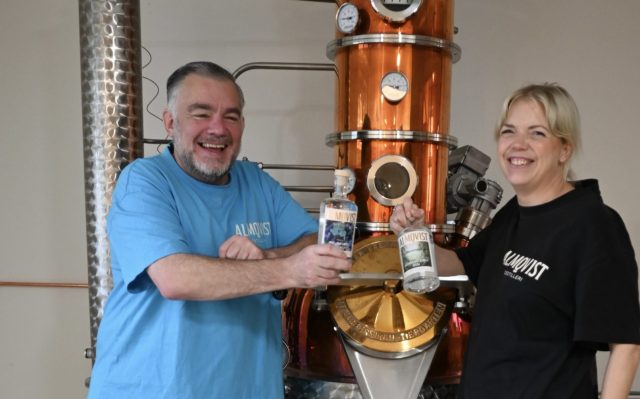
In June, for the first time in more than a century, Swedish distillers, brewers and winemakers were granted rights to sell products direct to visitors – one bottle at a time.
Sweden’s century-old state alcohol monopoly, Systembolaget, has long stood as both gatekeeper and guardian of public health. The new rules permit only restricted sales: distilleries can offer a single 0.7-litre bottle to each visitor after a paid tour, between 10 am and 8 pm, while breweries and vineyards will be limited to 3 litres per person.
This is one of the reasons why Almqvist Destilleri appointed drinks industry stalwart, Jake Burger, as its head distiller this month. The distillery’s founder, Bex Almqvist has completely revamped her company to suit the new laws: She’s opened a brand home and shop where she will run seminars for guests and sell products.
The duo are long-term friends: “Bex’s brand is going from strength to strength, and I was ready for a bit of an adventure,” Burger told the drinks business. “Alcohol tourism is very much my wheelhouse, so that felt like a project I could help with.”
Cultural shift
A 2021 government report forecast the legal changes would increase national alcohol sales by around 200,000 litres annually, a figure that represents less than 1% of Systembolaget’s current volume.
Partner Content


“This is revolutionary here,” Almqvist told db. She soft-launched the education space in summer: “It’s beneficial not only for producers – it’s also beneficial for tourism as a whole, because it will bring people out, they want to experience things.” The new laws also mean she can hire more staff, sell special products and educate on the variety of ways her spirits can work in cocktails.
Across the industry, the pair hope the education sessions will spark a positive shift in drinking culture: “The level of knowledge the consumer has in Sweden is pretty low, and we’re excited about the fact we can help be part of spreading the knowledge,” says Almqvist.
Not a perfect solution
Despite this, the laws are not a perfect solution. Not all Swedes are fans of the new regulations, according to Burger. “I think it’s great we have to force them to do half an hour of education, because I think education is a good thing and I enjoy sharing it, but some of the consumers would like to be able to just walk in the shop and buy it,” he explains.
And from the producer side, Almqvist says many distilleries would like to be able to sell more than 700 millilitres, and also wish the education sessions could be shorter than 30 minutes. Burger adds that on-site sampling isn’t possible under the regulations, which is frustrating for producers wanting to showcase their spirits range.
Still, Burger’s excited about the distillery’s new trajectory. He is looking forward to getting stuck into development, with many exciting products, including some reflecting Swedish terroir, in the pipeline.
Related news
Sweden begins cautious reform of alcohol monopoly


