



Britain eyes New Delhi in Mallya extradition case
Is there about to be a twist in the long-running efforts of the Indian authorities to have Vijay Mallya, former head of United Breweries and United Spirits, extradited from Britain to face charges of fraud and money-laundering? Ron Emler reports.
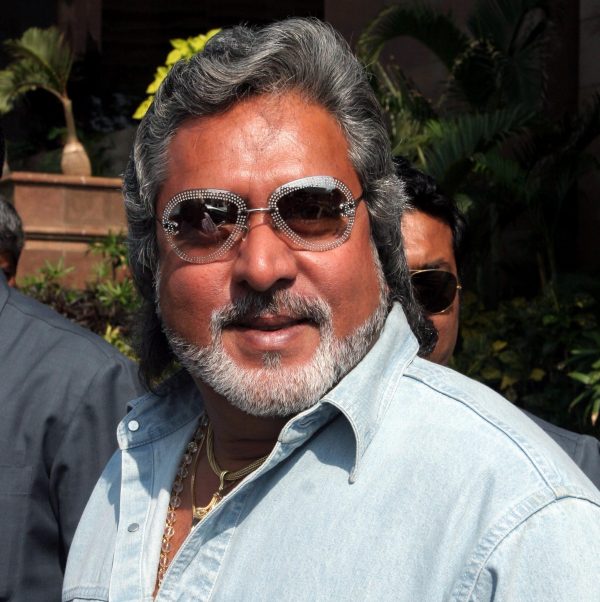
Mallya, the former head of both India’s United Breweries and United Spirits, has been living in London’s Regent’s Park and on an estate in Hertfordshire since fleeing to Britain in 2016 on the eve of an arrest warrant being served on him.
The case relates to non-repayment to a consortium of India banks of loans worth £1.15 billion. The loans were made out to Mallya’s Kingfisher Airways which collapsed into bankruptcy in 2012.
After he fled, India issued an international warrant for Mallya’s arrest. He then fought a long legal battle against extradition and finally exhausted all judicial avenues in 2021.
Personal legal matter
Since then the UK’s Home Office has said Mallya cannot be extradited to India until a “personal legal matter” has been settled. That is widely thought to be an appeal for political asylum on the grounds that he would be ill-treated in India and not receive a fair trial.
The Indian financial authorities have seized assets to repay the debts but Mallya contests that they have recouped far more than the principal sum, despite him contending that the debt was incurred by the failed airline, not by him personally.
However, Mallya has already been found guilty in absentia of the criminal offences, and India continues to press for his extradition. His case was brought up by Prime Minister Nahendra Modi during trade negotiations with Sir Kier Starmer earlier this year.
India repeatedly attempted to link the extradition of Mallya and other financial fugitives to concluding the recently signed trade deal between India and Britain. However, Britain held that the government is separate from the judiciary and that the law must take its course in deciding whether to extradite him.
Partner Content



Despite the backlog, pleas for asylum in the UK usually are decided within a year. Mallya’s case remains unresolved after four years and one of his legal team is on record as saying that he would “never” be extradited.
New development
Last week, however, officials from Britain’s Crown Prosecution Service inspected New Delhi’s Tihar Jail to assess whether conditions there satisfy legal requirements laid down by the UK courts before deciding on extradition pleas.
The authorities wanted to assure British courts that those extradited will not face unsafe or inhumane conditions in custody. UK courts in the past have turned down extradition requests from India citing prison conditions.
According to an Indian government official, the CPS delegation toured the high-security ward of Tihar and met inmates. Jail authorities assured them that if needed, a separate enclave could be created within the premises to house high-profile prisoners, ensuring their safety and compliance with international standards.
In the spring, Mallya lost an appeal against a bankruptcy order made in 2021 by London’s High Court over the debt to the Indian banks.
He had appealed against the bankruptcy order but his lawyers say he will continue to fight it.
Separately, Mallya is being sued by Diageo and United Spirits for more than £250 million relating to financial irregularities at United Spirits while under his control.
Related news
India accuses Pernod Ricard of Scotch tax dodge
India’s Supreme Court seeks gov response on plea to ban Tetra Pack spirits
Karnataka becomes first Indian state to tax alcohol by strength in excise overhaul


