



How both mountains and makers shape the metodo classico of Rotari
The Dolomites are a constant source of inspiration for Rotari. But its Trentodoc wines combine the Alpine terroir with patient, metodo classico sparkling winemaking.
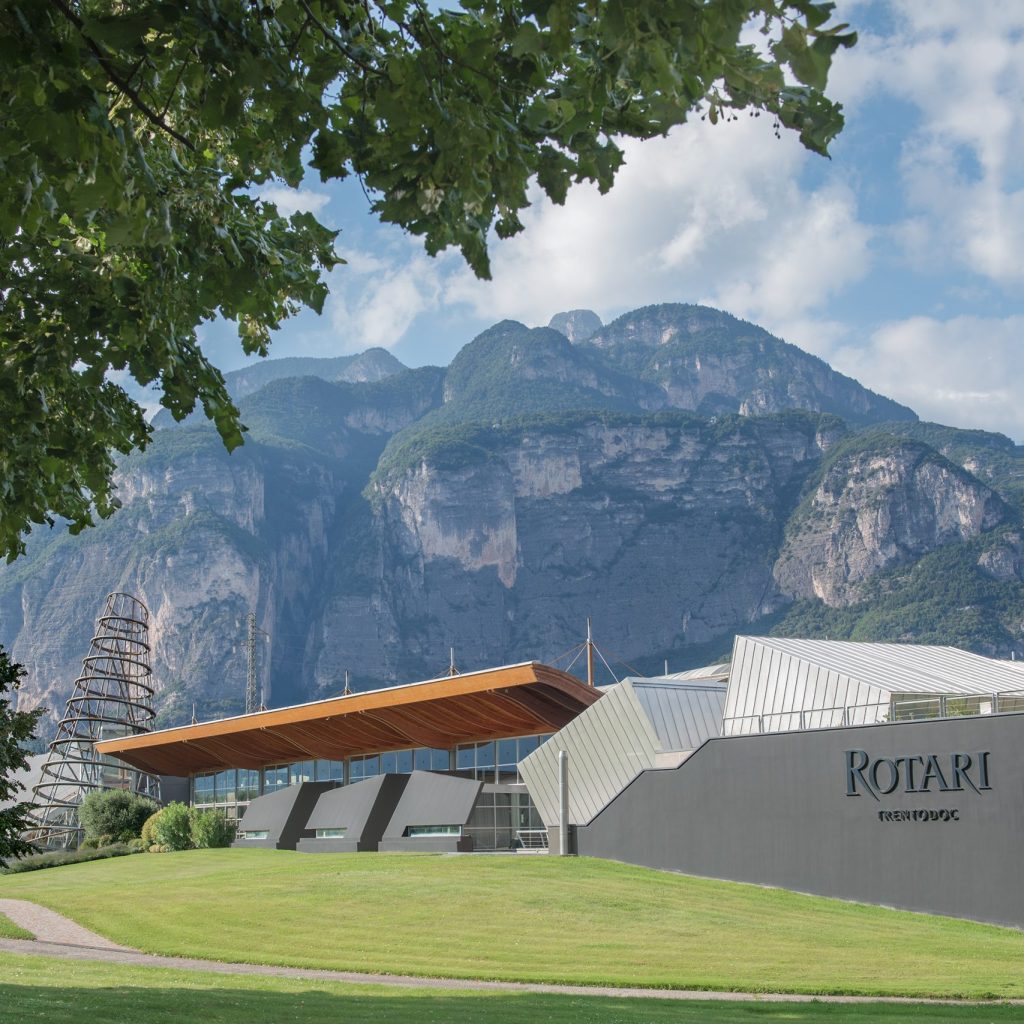
With so much happening in the cellar, consumers sometimes forget the terroir aspect behind sparkling wines. Although consumers are increasingly attuned to the idea of ‘a sense of place’, once the minutiae of blending, complex autolytic reactions and years of ageing in the cellar are considered, the vineyard can fade into the background.
You could not easily forget the terroir behind Rotari, however. The Italian winery makes Trentodoc, a traditional method (or, in Italian, metodo classico) wine sourced from the Trentino region, in the country’s northeast. Stand in any of its vineyards and the landscape will soon make an impression.
Born in the alps
Flowing towards the Adriatic, the Adige river cuts through the limestone of the Dolomites, creating a mesmerising landscape. Between the extremes of flat valley floors and snow-capped mountains sit the slopes that comprise Trentodoc’s vineyards. The rows of Chardonnay and Pinot Noir capture Trentino’s Alpine freshness for unique sparkling wines.
The region’s mountains define the climate. They form a natural barrier, preventing cold air and rain coming in from the north. That means that, despite elevations as high as 900 metres in some vineyards, grapes destined for Trentodoc can still bask in warm summer days and mature reliably. The phenolic ripeness, with complex aromas of juicy fruits from apple through grapefruit to stone fruit, is a hallmark of the region.
Yet those mountains have a very different impact at night. Cool breezes whistle through the valleys, leading to significant temperature drops overnight. This helps grapes to retain their acidity, contributing to a one-two punch of ripe aromas held together with elegant acidity.
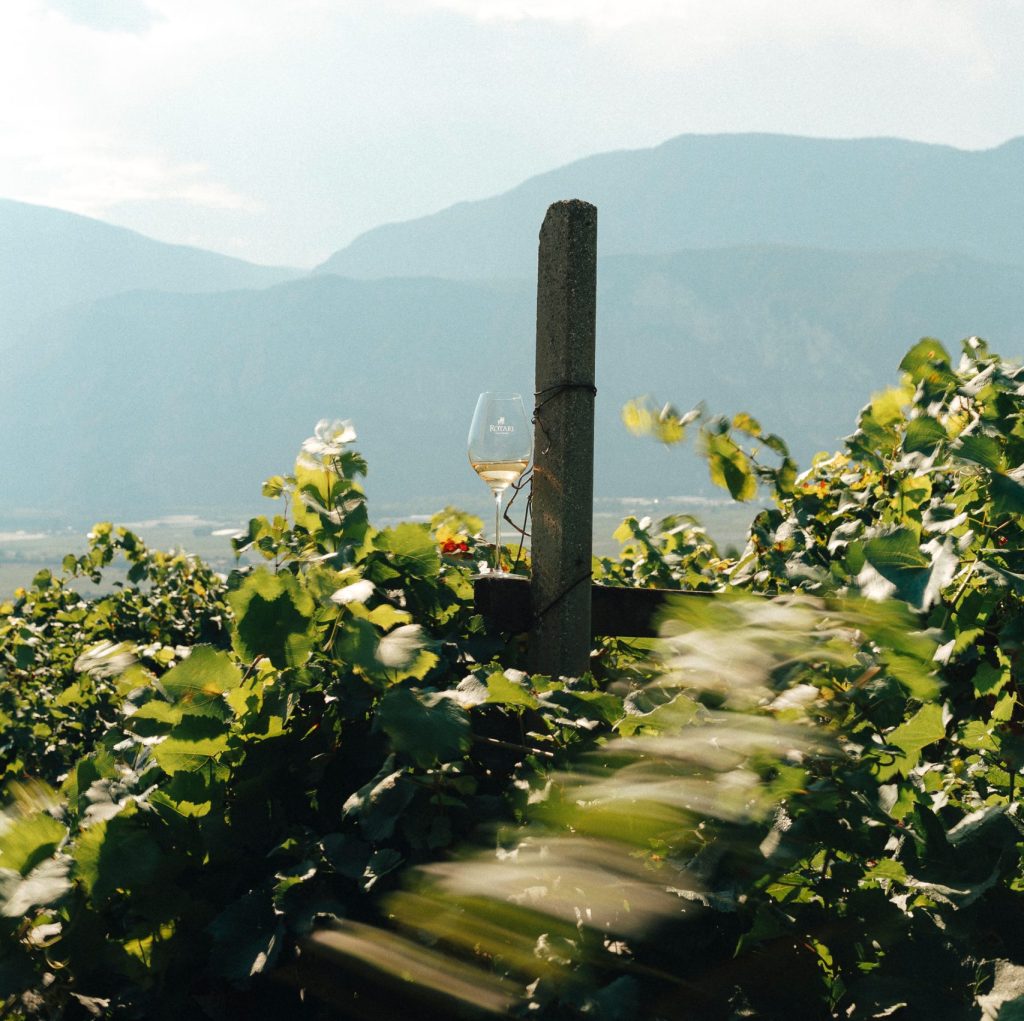
The flavour profile is characteristically Alpine, bridging cooler and warmer influences together just as the mountain range spans several different climatic zones of Italy. It is also notably intense: the soils, often characterised by well-drained stony limestone, promoting slow growth which improves aromatic concentration in the wines.
These influences are not forgotten by Rotari. In fact, the Alpine influence is central to the winery’s identity. It is named after the 7th-century king of Lombards who joined Germanic and Mediterranean domains together under his kingship, thus recognising Trentino’s position at one of the continent’s historic and geographical crossroads.
Crafted by the winery
Focusing solely on terroir, however, is only half the story. Trentodoc’s Alpine influence is at the heart of Rotari’s collection, but it takes meticulous care from the winery team to bring the spirit of the mountains to the final product.
The Chardonnay and Pinot Noir are harvested by hand. Given the steep slopes, this is a demanding endeavour, requiring an expert team, but Rotari has chosen it as the surest path to high quality. It treats the grapes gently, so that they reach the winery in ideal condition, their delicate aromatic profiles protected.
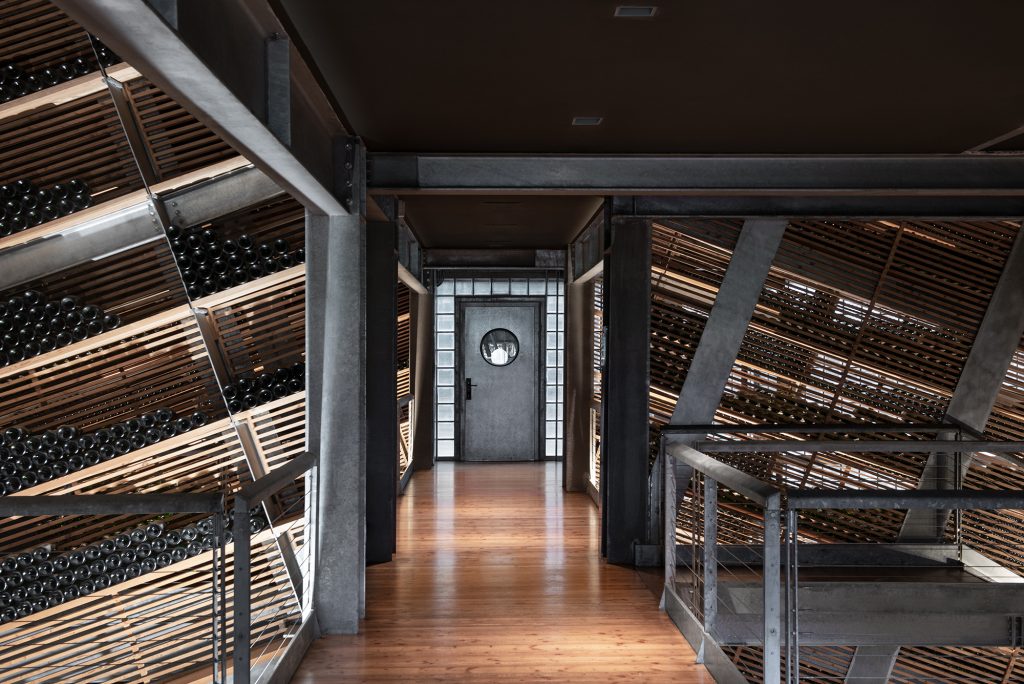
In the initial winemaking – creating the base wine through the first fermentation – that theme of gentleness continues. The grapes undergo soft pressing and slow sedimentation, before transfer to protective stainless steel tanks for fermentation. Rotari uses specifically selected yeasts that complement the grapes’ natural flavours, ensuring a harmonious wine to enjoy.
Such care is necessary because, unlike a young still wine, the end product has layers of flavour left to add. Rotari’s Trentodoc wines undergo a second fermentation in the bottle, with further ageing on the lees layering on autolytic character. It is notably long: 15 months, or 24 months for a vintage wine. That extended period adds soft notes of bread and pastry to the juicy fruit profile.
Vintage flag-bearers
Rotari’s range comprises a number of subtle variations on the regional style. Rotari Brut, for instance, is in the region’s traditional style, acting as the perfect introduction to Trentodoc. Cuvée 28, on the other hand, emphasises the crispness of monovarietal Chardonnay with grapes sourced from the region’s north.
There is also a top-label option, Flavio. The riserva wine first makes use of exacting selection. Carefully handpicked Chardonnay from slopes up to 800m high lends it freshness and minerality. It then benefits from the power of time, with its specially designed bottle optimising lees contact for the slow development of complex flavour.
However, for an expression of Alpine terroir, the vintage-dated range stands apart. These four bottles express both the terroir of the Dolomites and their particular growing season, capturing a single, irrepeatable Alpine summer in every bottle. With the longer lees ageing that is required of a vintage wine, the cuvées match that specificity in layers of rich complexity.
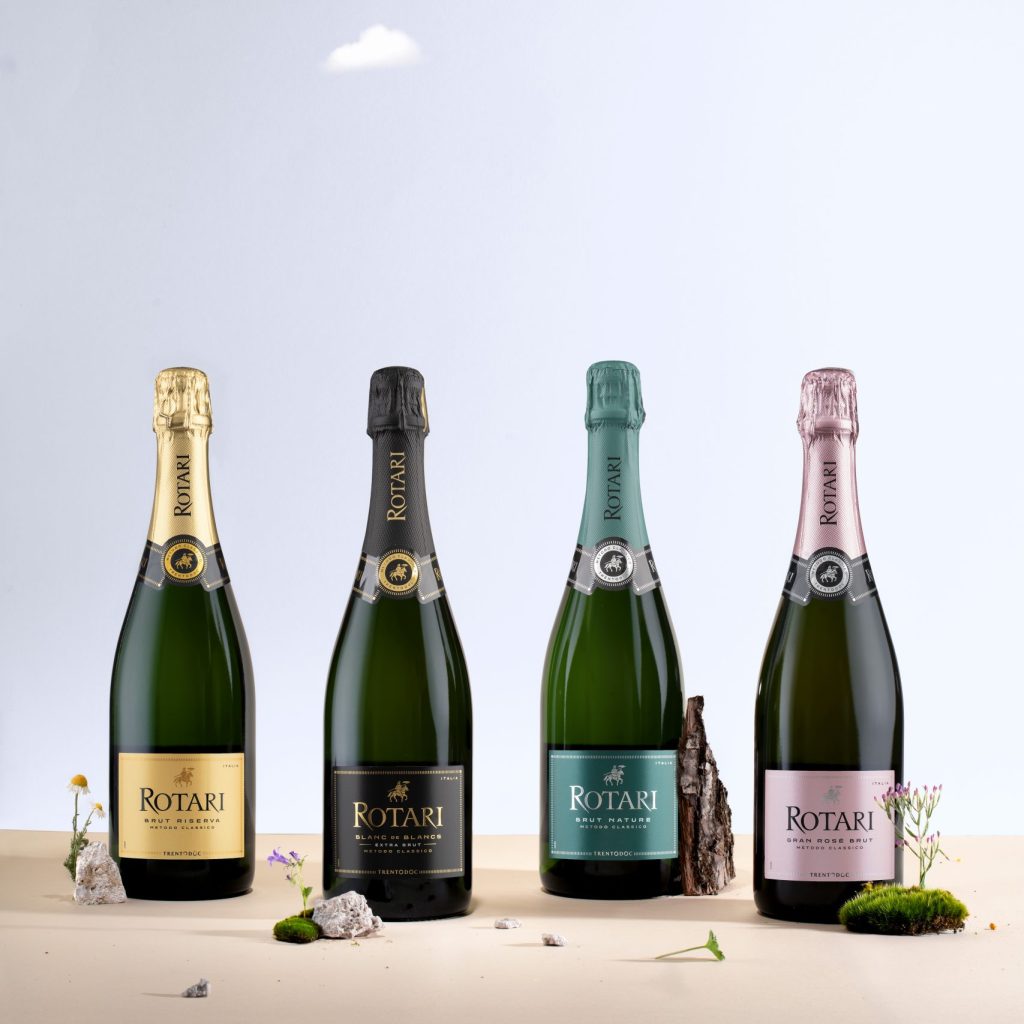
Each wine offers a slightly different taste of the Alpine region. The three white wines each present monovarietal Chardonnay, but the different vinifications ensure there is plenty of choice in the trio.
Rotari Brut Riserva uses pure Chardonnay in a balanced, versatile expression: it is the most classic, in terms of its vinification. Recognising the fashion for drier styles, Rotari has crafted two further wines that showcase Trentodoc Chardonnay: Rotari Blanc de Blancs Extra Brut and Rotari Brut Nature.
Rotari Gran Rosé Brut, meanwhile, demonstrates that the white sparkling should not take all the glory. Alongside the elegant, fresh Chardonnay, a selection of early-harvested Pinot Noir macerates, lending the wine a delicate pink hue and fresh red fruit aromas.
Taken together, the wines satisfy a host of wine lovers, from the traditionalist to the zero dosage purist. Yet they are united by Rotari’s unwavering commitment to expressing the terroir of the Dolomites. Just as you would not easily forget the view looking over Trentino vineyards, you would not soon forget Rotari’s Alpine expressions of Trentodoc.

Related news
From innovation to gastronomy: why Hungary is having a moment
“The only way to build a wine is by making fewer bottles than the market needs”


