



LCB approaches difficult market with increasingly broad remit
Despite the name, London City Bond now offers far more than just bonded warehouses. In fact, diversification and investment are helping LCB – and its customers – thrive in a tough market.
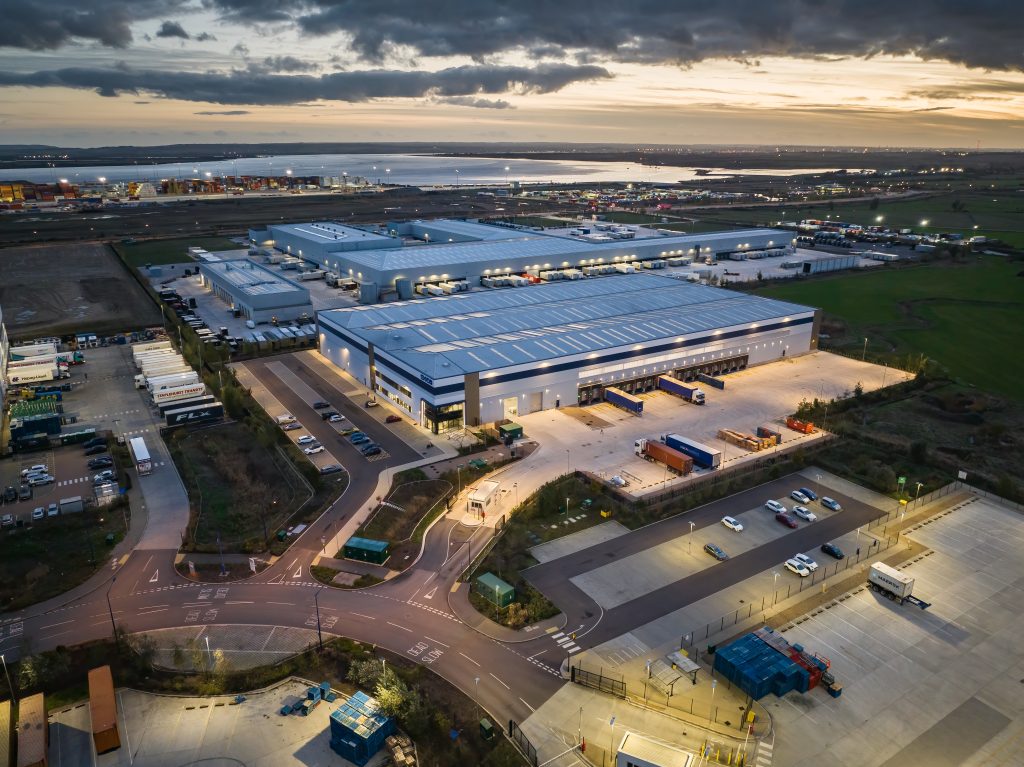
With more than 150 years of experience in the logistics industry, London City Bond (LCB) has grown to become a key player in the UK. Most drinks companies will know something of its work. Indeed, the diversity LCB shows, whether in services, customers or geography, means it is an essential company for the UK trade to know.
Bonded warehouses – the first endeavour of the company – still have a crucial role to play. Although technology and legislation may have changed, it is still useful to defer the payment of duty until the product is actually needed.
LCB’s remit, however, is now much broader, providing supplementary services that make the entire process smoother. These include, for instance, dedicated storage for fine wines and whiskies; facilities to apply promotional packaging; and a fleet of delivery vehicles to ensure nothing goes wrong in the final stretch of a bottle’s journey.
Thanks to these diverse services, LCB has a varied client base. Some of these you might expect: high-profile wine producers such as Laurent-Perrier and Zonin, as well as merchants and distributors like The Whisky Exchange and Les Caves de Pyrene. Yet there are also small, independent wine merchants and well-established auction houses using its services, not to mention the 6,500 private customers who store their collections with LCB.
Despite its Victorian origins, the company has embraced modern technology, with the likes of Ocado and Amazon using its services to develop their alcohol offering.
Contrary to its name, LCB can now boast coverage all over the UK. It still has a cluster of sites around the ports of London, essential for unloading imports and supplying the UK’s largest city. However, LCB now has hubs near Bristol, Cambridge, Birmingham, Leeds, Glasgow and more. Once you factor in LCB’s in-house delivery service, clients all over the UK can make use of its services with ease.
Investing to grow
Yet LCB has not just expanded its reach in the UK. The company has also continually invested in its facilities, ensuring ever-improving performance for its clients.
A particular focus has been on services for its fine wine customers. For instance, at its site in Kidderminster – a converted secret factory from the Second World War – they now have every assurance that their wines are looked after. A reliable humidity control system ensures optimum conditions for ageing, while a 360-degree photography service allows owners to check on bottle condition.
A clear sustainability mission has also driven investment. With many producers or distributors boasting their green credentials, it is essential that they engage partners who share their ethos. Hence, LCB has made moves to reduce its environmental impact.
As a logistics specialist, some of these have involved planning its routes and methods. For instance, LCB’s regional hubs mean that most of a delivery can be trunked on a heavy goods vehicle, with smaller vans just used for the final stretch. This system improves operational efficiency, a bonus both for customer satisfaction and lower carbon emissions.
Other improvements have been made purely for their environmental benefits. LCB’s Olympus warehouse has had LED light systems installed around its storage racking, with passive infra-red sensors automatically switching the system off to conserve energy. It reduced electricity consumption by 53% compared to the previous year, and has been such a success that it has been rolled out to other sites across the nation.
Mechanical handling equipment, meanwhile, has been upgraded with new battery charging technology, reducing its energy consumption by 30%.
Open for business
Thanks to LCB’s approach, built on expanding its offering and investing in its services, it has proved to be a resilient fixture in the UK drinks industry. Particularly at the moment, that is no small feat.
Companies across the UK (with LCB among them) face rising costs from an increased wage bill, higher business rates and rising rents.
Yet logistics will always be a necessary element of any business plan. Whether a company relies on long-term storage or a quick transfer of goods from port to point of sale, a dependable logistics partner is essential. Some of these companies have already had to close due to external pressures, making the correct choice even more important.
Fortunately, LCB’s long-term strategy of expansion and improvement has placed it in a good position for difficult times. It maintains its roster of well-regarded clients, but also has capacity for new business. There is warehousing space available at selected sites, ready for new or expanding customers and, even though it is a larger player, LCB does not impose limiting minimum storage requirements.
The industry outlook is uncertain, but after 150 years, LCB has learned a thing or two about weathering storms. As it navigates the current climate, LCB’s message is loud and clear: the logistics specialist is open for business.
Related news
Mary Portas OBE urges drinks trade to sell joy, not stuff
IWSR: 2035 will be 'vastly different' for the global drinks sector


