



Artisan Casks launch: ‘Whisky is not a fad’
The unveiling of Artisan Casks, the new private whisky cask programme from the owner of the Scotch Malt Whisky Society, comes at a tricky time for the rare whisky market. But James Mackay, the man behind the new venture, has no doubts about its global potential. Richard Woodard reports.
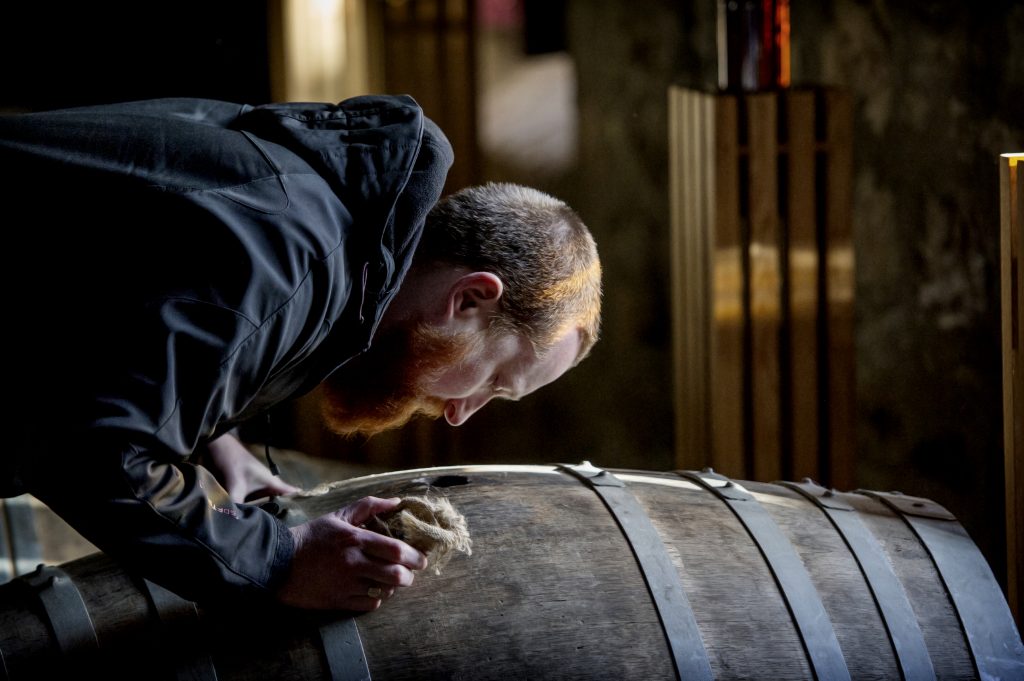
As with fine wine, the rare whisky market has been facing its fair share of challenges recently. A troubling macroeconomic backdrop, geopolitical shocks, negative publicity about cask investment schemes… it seems a counter-intuitive moment at which to launch a new private cask programme – but that’s just what the Artisanal Spirits Company has done with Artisan Casks.
The essential concept is relatively straightforward: a handful of casks will be released each year, containing whisky that is at least 20 years old, with the potential to be bottled immediately or to be left to mature for an additional period. The first tranche of releases ranges from a Highland Park filled in 2005, priced at £50,000, to a Macallan filled in 1993, priced at £600,000. The casks are drawn from stock laid down over the past 40 years by the Scotch Malt Whisky Society (SMWS), which is owned by the Artisanal Spirits Company.
But there’s much more to Artisan Casks than just buying a cask and bottling it, as James Mackay, private client director at the Artisanal Spirits Company, explains. “At the beginning, the whisky is all that matters, but eventually the experience matters more than the whisky does,” he says. “The whisky is fundamental, and it’s got to be of incredible quality and obviously with spotless provenance, but the next most important part is the experience.”
Mackay spent nine years as Diageo’s global private client director and head of rare & exceptional spirits, travelling the world to manage the multinational’s relationships with ultra-HNWI collectors – giving him a powerful insight into these rarefied reaches of the global whisky market.
“What I noticed over the years with Diageo was that, although these collectors often come across as secretive, quite shy people who wouldn’t want to be in the limelight or shoved into a room with strangers, that changes when they know that all the people in that room also owns their own cask,” he says. The shared experience of buying and bottling their own whisky is a bond that connects cultures, genders and ages. “Once they’re all together as cask owners, they get on like a house on fire.”
Events focus
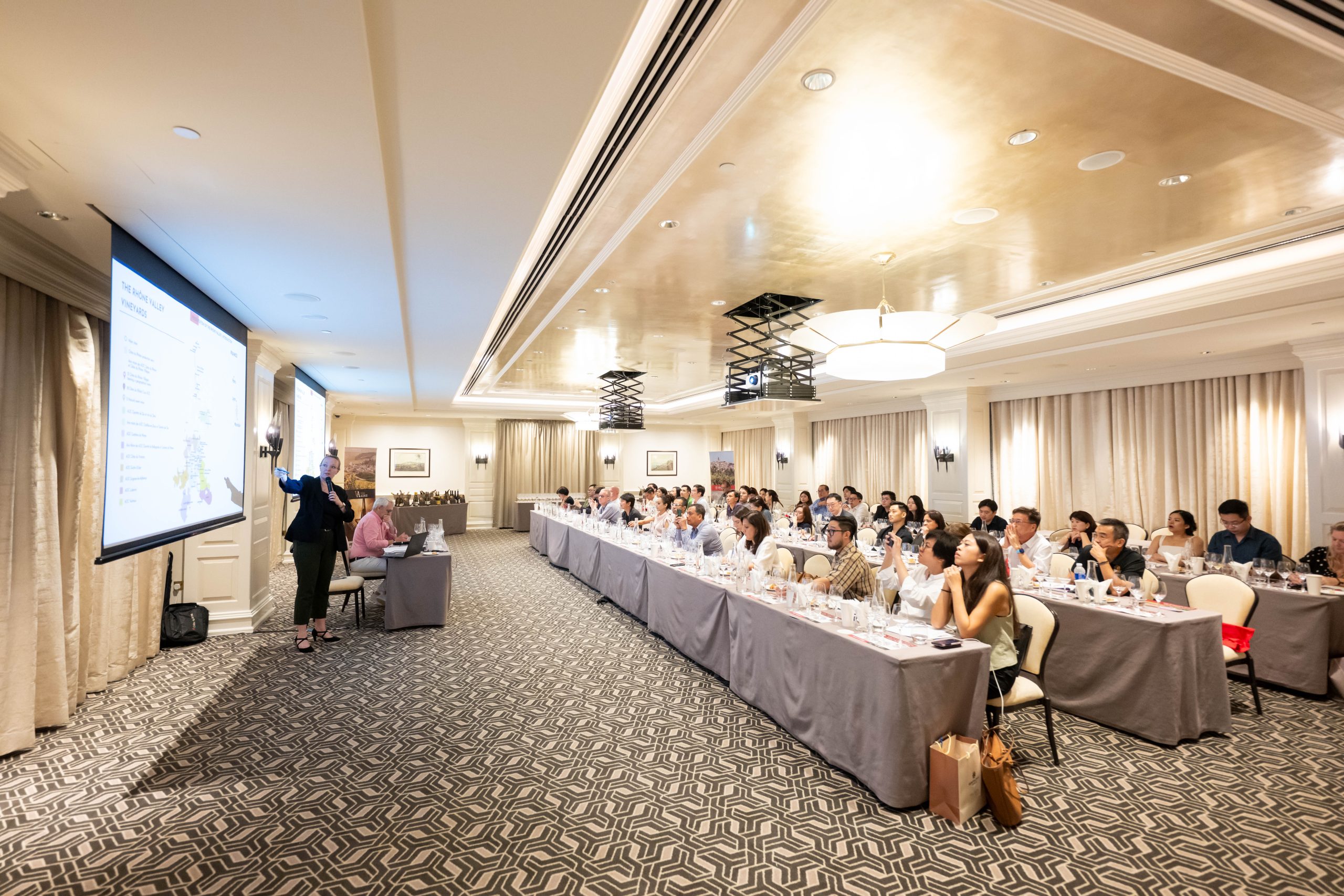
So the community element of Artisan Casks is every bit as important as the whisky side. Mackay is planning “one big owners’ event” each year in Scotland, alongside others in different parts of the world, such as Singapore, where he has already sold three casks. UK events may use the SMWS clubhouses in Edinburgh, Leith, Glasgow and London, but there is also interest from the distilleries themselves and, as Mackay points out, there is no shortage of high-end venues across Scotland.
As enticing as the programme may be to the passionate (and well-heeled) whisky collector, is this the right time to launch it? Mackay has no doubts after launching Artisan Casks at events in Monaco and Singapore. “The takeway I have is that the interest level has remained,” he insists. “Whisky is not a fad, and it has not gone out of style. What has changed is that people are more price-sensitive than they were before, for obvious reasons.”

Again, his time at Diageo has proved instructive in this area. “For these people, it’s totally rational to spend a few hundred thousand pounds to get their own whisky which is extremely rare and valuable, in a way that fits into their lives,” says Mackay.
No ‘flipping’ whisky
Nor is this rooted in thoughts around investment or ‘flipping’ – selling the whisky on for a profit. “It’s really not like that at all. For many of these people, 250 bottles lasts them about two years.” By the time you factor in gifts to friends, family and business associates, plus personal consumption, the volume is soon whittled down.
Mackay highlights one client, a tech investor in California, who has “got into a regular rhythm” of bottling a cask every two or three years, hiring out a floor of Edinburgh’s Balmoral Hotel and flying in contacts for a week of business deal-making, whisky and Scottish experiences, during which time the cask is bottled and guests fly home with some of it. “The value to him of being able to do that, I think, is multiples higher than the value he might get from selling the whisky,” says Mackay.
Theoretically, casks purchased under the programme could be left to mature for an unlimited period; in practice, the right time to bottle will be a mutual decision taken by the cask owner and Artisan Casks’ whisky maker, with the quality of the liquid paramount. Most whiskies have been transferred into a different cask at some point in their maturation journey, again with the aim of improving quality.
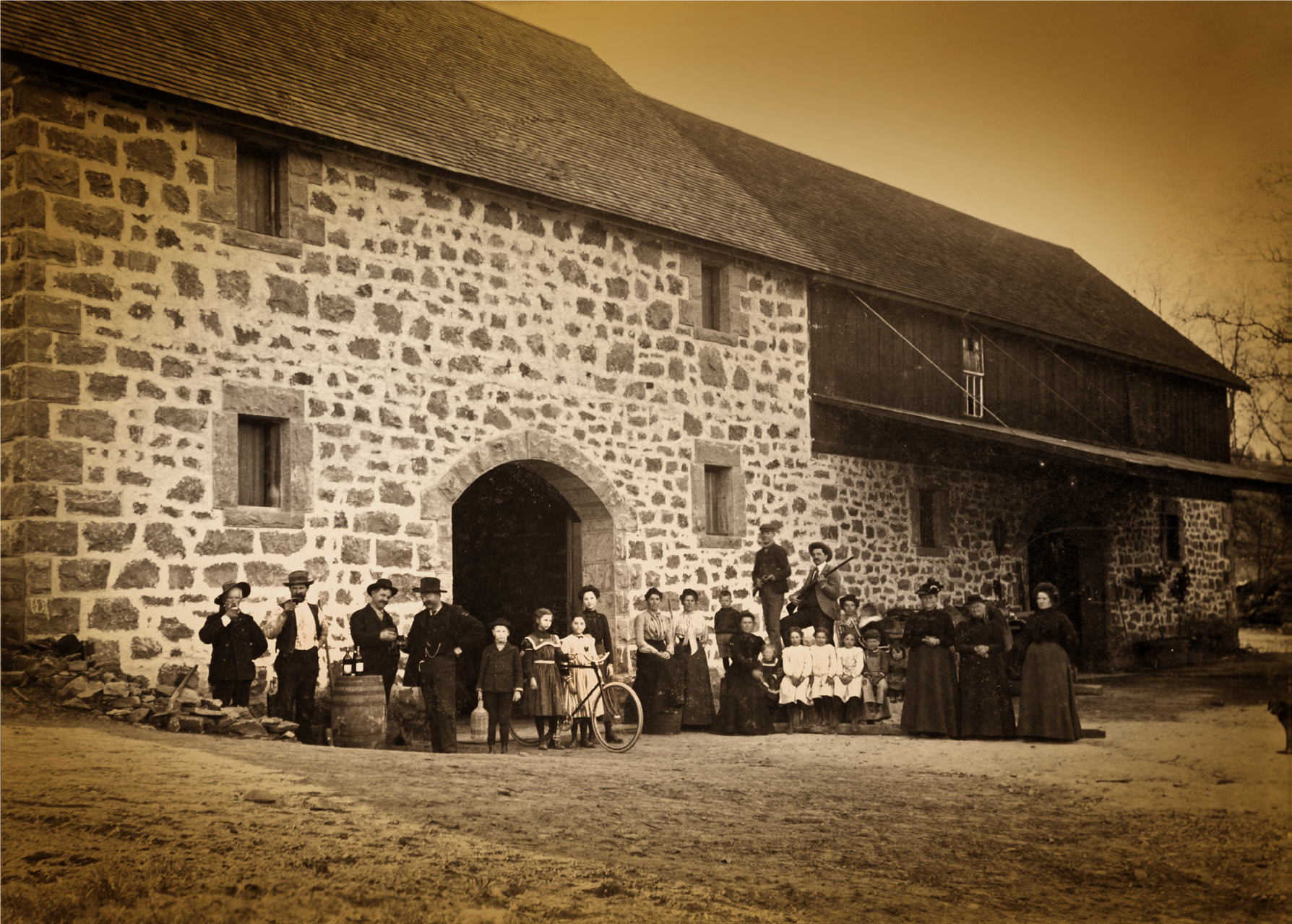
Mackay is at pains to point out that the creation of Artisan Casks will not impact the quality and profile of SMWS releases, and suggests that the company’s business model is beneficial to the programme – stemming from the time when SMWS founder Pip Hills and friends went up to Glenrothes and bought their first cask four decades ago.
“Right from the beginning, they knew that every cask was going to be bottled individually, with no option to vat or blend,” he says. “Their working practice is geared up to managing casks individually.” Mackay also sees an advantage to being a smaller operator, with bottling taking place next-door to where the casks mature, minimising losses. “That would be unusual for a big brand owner. They’re also used to dealing with consumers, unlike brand owners who tend to be at least one step removed.”
Partner Content


While Mackay is confident that Artisan Casks will be successful over the long term, he doesn’t see it expanding beyond the annual release of a handful of casks. “This will be kept very small not out of necessity, but because this type of concept is inherently unscalable,” he says.
“After all, no-one wants to be the host with the most unveiling their private cask, and someone else around the table says: ‘I’ve got one just like it.’”
Artisan Casks 2025 Releases: tasting notes
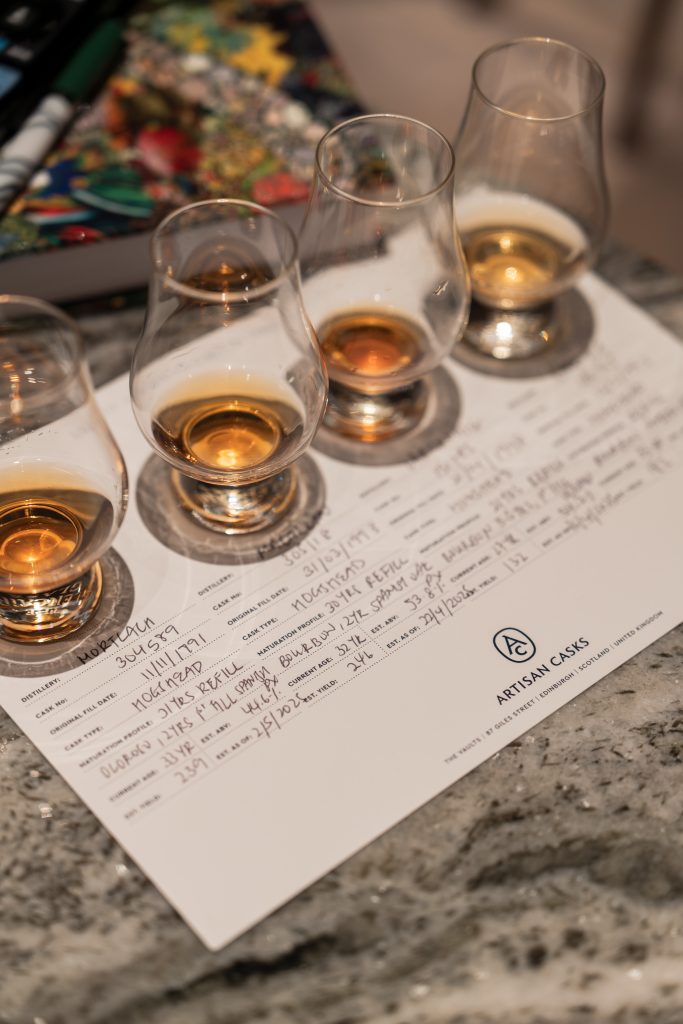
Macallan 1993, Artisan Cask #305118 (£600,000; 53.8%)
After 30 years in a refill ex-Bourbon hogshead and two years in a first-fill Spanish oak Pedro Ximénez Sherry hogshead, this is a refined and relatively restrained Macallan, marked by its astonishing vibrancy and complex flavours encompassing tanned leather, dried plum and cumin.
Mortlach 1991, Artisan Cask #304589 (£143,000; 44.6%)
Very plush and quite sweet, with notes of ripe plum and cassis, before some trademark Mortlach heft brings a meaty mid-palate. Thirty-three years in Sherry wood (31 in a refill oloroso hogshead, two in a first-fill PX hogshead) bring date and fig, then layers of spice and Pontefract cake.
Glen Grant 1994, Artisan Cask #305100 (£89,000; 46.8%)
A very sweet and luscious Glen Grant, boasting deep flavours of date and sultana after 29 years in refill ex-Bourbon wood and three-and-a-half years in first-fill American oak oloroso. Oak smoke, dark honey and notes of cigar humidor round out a shape-shifting palate.
Highland Park 2005, Artisan Cask #160821 (£50,000; 56.9%)
Notably vegetal in character, showing heather and light peat initially, building to an explosively robust palate; water opens up the flavour spectrum, bringing notes of liquorice and cumin. At 20 years (14 in refill ex-Bourbon, six in a first-fill STR (shaved, toasted, recharred) cask), this is HP showing off its smokier side.
Bunnahabhain 2004, Artisan Cask #903350 (£50,000; 58.9%)
Cask to the fore here – this has spent 19 years in a refill oloroso butt, then 18 months in a first-fill PX hogshead – with a big, intense nose of dark cassis fruit and a really clean Sherry character: polished veneer, Christmas spices, then oak-derived smoke. Beautifully silky.
Bowmore 2004, Artisan Cask #161217 (£91,000; 56.0%)
Funky smoke from the off – savoury and herbal, with some wood spice. A caraway character runs through the palate, while water brings out gently savoury smoke. More supple and approachable than it first appears, following 17 years in a second-fill ex-Bourbon hogshead and three-and-a-half years in second-fill PX.
Laphroaig 1998, Artisan Cask #151785 (£71,000; 54.2%)
This is a seamless combination of peated spirit and Sherry cask – five-and-a-half years in a first-fill oloroso hogshead, after 21 years in refill ex-Bourbon – with silky, luscious notes of black banana and charred pineapple, then darker flavours of molasses and smoked meat. In time, the Laphroaig spirit – smoked fish, camphor – takes centre-stage.
Caol Ila 1992, Artisan Cask #180965 (£85,000; 54.4%)
A quite delicate and floral Caol Ila, its perfumed smoke only lightly touched by 33 years in a refill ex-Bourbon hogshead. The palate shows a gently vegetal side – herb garden, tomato leaf – before the maritime-accented peat returns. Remarkably youthful.
ABVs measured in Feb-June 2025
All prices cover the cask in bond, including storage, bottling, packaging, gift boxes, etc; but excluding local tax and duty – as these depend on the place and date on which the owner decides to bring the bottles out of bond.
Related news
India tariff cut opens door to wider Scotch whisky market
'Fantastic time to be a whisky drinker’ as Hedonism launches own-label range
Tourism and gastronomy stamp Chinese whisky on the global map


