



Chinese wines come in all shades – orange included
Self-proclaimed “nomadic winemaker” Ian Dai is pioneering Chinese orange wines. Joyce Yip discovers whether the thirst for skin-contact expressions produced in China can reach beyond “adventurous wine geeks” and “young creatives”.
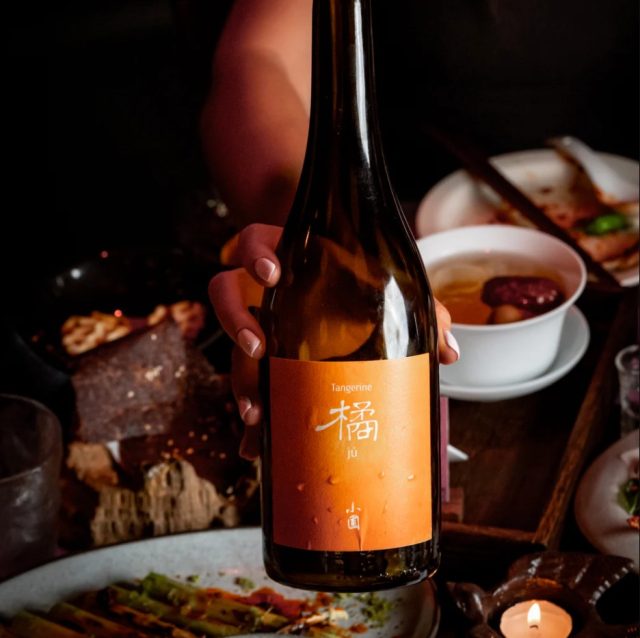
In a T-shirt, cargo shorts and white socks with matching Birkenstocks, Chinese natural-style winemaker Ian Dai was getting ready to host a wine tasting at Hong Kong’s natural wine bar La Cabane in early July. His hair was untamed at best – an endearing trademark of his. With him were 10-plus bottles and vintages from his label, Xiaopu – meaning little garden in Mandarin.
Ex-sommelier for Shanghai’s historic Fairmont Peace Hotel, wine educator and wine buyer, Dai calls himself a “nomadic winemaker”. He works with grapes from Ningxia, Gansu, Hebei, Inner Mongolia, Yunnan, Sichuan and, as of earlier this year, New Zealand. His portfolio features dozens of wines – dry reds and whites, red-white blends as well as wines made with honey and all sorts of fruits.
One of his bestsellers, however, is his ‘Tangerine’, an orange, skin-contact wine that was recognised by Cathay Pacific as the Best Wine from China in 2024. Dai has been toying with skin contact since the second year of founding his label and is one of the first few independent winemakers to add a shade of orange to the country’s natural wine offerings.
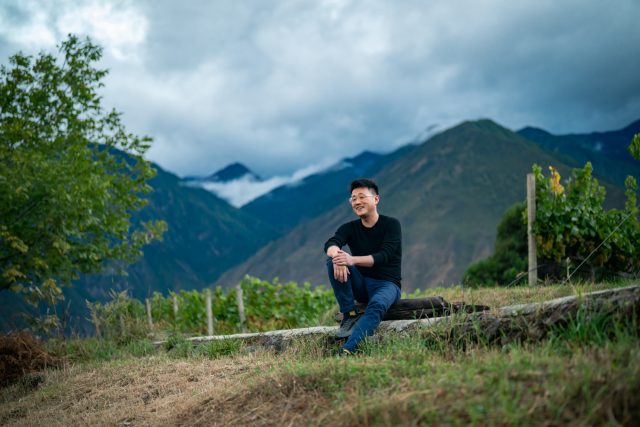
Dai says the majority of his customers are “curious 30-odd-year-old young creatives with global exposure”, though popularity is almost entirely confined to cities like Shanghai and Chengdu where bistros and wine bars are a common sight. Still, he says, the novelty of orange wine is perfect for his country’s growing middle class that has no preconceptions of the beverage. Currently, his wines can be found in Hong Kong, Australia, Singapore, Malaysia, the US and Mexico.
“Market share in Europe, for example, is set – the people who are already buying fine wines will mostly stick to fine wines, and supermarket wines to supermarket wines. But as more Chinese travel beyond our borders and adopt a change in mindset, the orange-wine pie will definitely grow,” he says, adding that orange wine’s reduced acidity makes it a good pairing option with Chinese food.
Wine educator Terry Xu, better known for his alias Xiao Pi, with close to 500,000 followers on Chinese social media, is less optimistic. He runs his own drinks ecommerce platform and says reoccurring orders for the orange wine category hover at 12-15% – a figure that’s almost half of his whites, at 30%, and reds, at 38%.

While he agrees with Dai that orange-wine consumers are “adventurous wine geeks”, he says curiosity for it has dropped compared to its prime in 2022. For one, only a few orange wine labels promise consistency – perhaps an antithesis of natural wines, within which many orange wines fall; and second, he adds, they “tend to erase the characteristics of the grape varietal”.
“Orange wines really limit half of the expressions of the grape varietal. Chardonnay, Semillon and Sauvignon Blanc orange wines taste almost the same. Ones made with Muscat might have a bit more aroma,” he says.
Partner Content



More importantly, orange wines neither fill a gap nor command a special occasion.
“There’s a moment for dessert wines, Champagnes, even rosés. Sure, orange wines are aromatic, but we already have so many aromatic varietals. If you take the novelty of the colour out of the discussion and let someone blind taste an orange wine, he/she might just think it’s a very light Pinot Noir.”
Still, he praises the likes of Dai. Xu says that while orange wine won’t become mainstream in the next decade, the young winemaker is paving the way by preaching to the right crowds.
“Ian doesn’t need ecommerce platforms like us: he’s a superstar and an inspiration to many new winemakers. Small volumes for such niche markets work for them and that’s a great strategy,” Xu says.
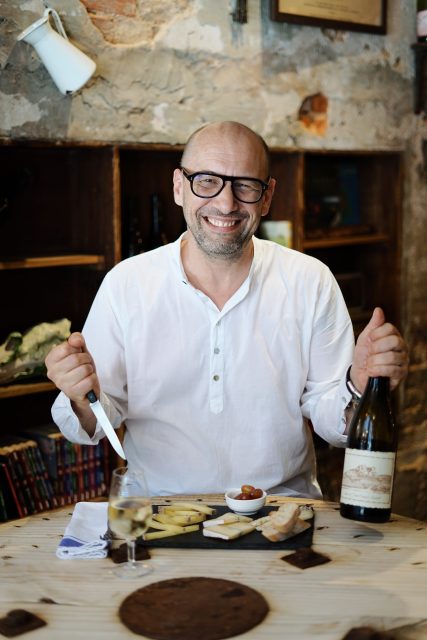
Back at La Cabane, Dai was, indeed, a superstar. It’s the sort of place where his orange wines shine, he says, whereas wine bars and bistros in the city prefer his reds and whites.
La Cabane co-founder and director Cristobal Huneeus started putting Dai’s ‘Tangerine’ on his shelves less than a year ago because it’s accessible – both on the palate and for wallets – and “Chinese orange wines are interesting”.
Most of this category’s buyers, he says, are locals and Asians.
He says: “The production of Chinese orange wines is so small that they have yet to set a standard; as bigger brands try playing with maceration, time will show its many possibilities.”
Related news
10 things to look for when drinking rosé wine


