



The dawn of the information superhighway
Logistical operations for the drinks trade are being revolutionised by technological innovation, including wine passports and e-powered English Channel crossings, reports James Evison.

For centuries, draymen delivered beer barrels on horse and cart. In France, wine was delivered to markets in a similar fashion. Then came the internal combustion engine and the arrival of warehouses, offices and vehicle depots. Now, technology is revolutionising the world of logistics once again.
Sales of new petrol and diesel HGVs will be banned within the next 15 years, and these logistics workhorses will be replaced with electric power and alternative fuels. At the same time, technology is revolutionising the warehouse and back office.
All of these changes are undoubtedly challenging for the drinks industry and its global supply chains, but life should get easier. The wine trade and its focus on product detail requires close stock management, especially as drinks data has become increasingly complex. But, fortunately, so has the technology to control it. James Bonavia, sales and account manager at Wine Owners, which offers software to wine and spirits businesses to help them manage stock, explains: “With logistics and drinks data, you are spinning a lot of plates. But systems can be pre-built.”
Digitalisation wave
Collaboration is key to the success of this new wave of digitalisation. Wine Owners worked with London City Bond (LCB) to develop an API – a set of rules allowing different software systems to communicate and exchange data – in order to continue the digital management of stock once it was passed along the logistics chain. “It is about creating a seamless vision,” explains Bonavia.
“There is no double entry. It is also about understanding what stock you have in place at any one time, in real time.”
For the wine world specifically, there is another important tech element in play: traceability. Bonavia states: “Provenance is key to the wine trade: the appellation, the bottle’s vintage, how it has been stored. Creating a ‘wine passport’ has real value in terms of tracing the bottle from the vineyard and producer, wherever that may be globally. When a wine is sold, the passport links one end to the other, with a continuity of information.”
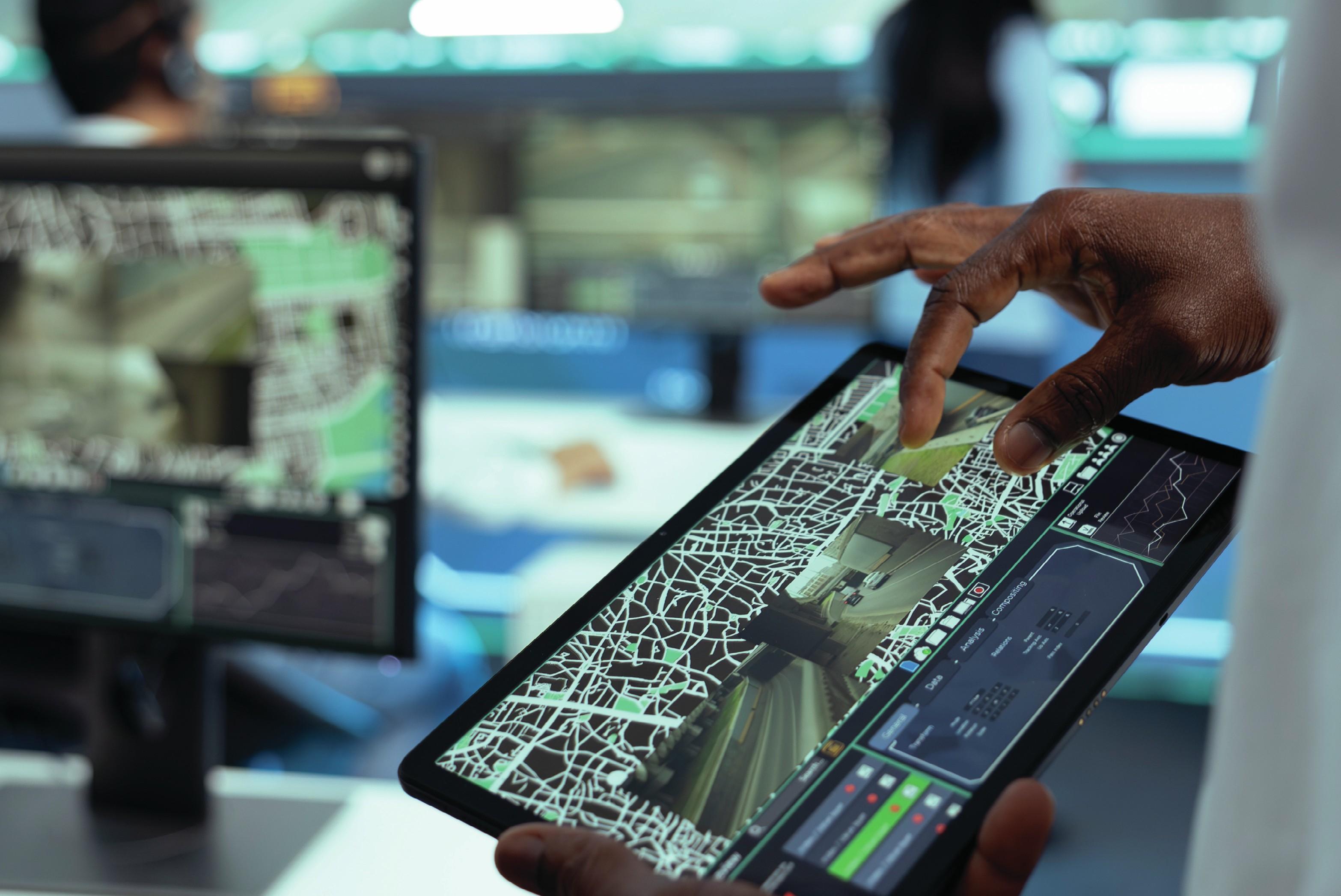
Honorine Cieloch, head of implementation at Wine Owners, who joined the company after first being a customer, offers an example of how the tech works in practice. “If you put in a big order from multiple producers from Bordeaux en primeur,” she says, “there will be individual entries for each producer. Then, when bottles are transported, you can see the producer’s pallet at every step in the shipping journey.”
Electrical point of sale
Cieloch explains that there is now even the capability to add data to the final electric point of sale (EPOS) at a bricks-and-mortar store. So, what are the advantages of such dramatic innovation? Cieloch laughs and says: “You don’t need to speak to your colleagues so much any more. The processes are so much simpler, and you don’t need to keep checking on the progress of a shipment. Fewer calls, emails – it’s all there on the screen.”
However, as with other areas of change within business and society, there are cultural issues to consider.
“There is definitely a human aspect,” she continues, “the wine world is based on tradition, and it is quite ‘old school’. Naturally, change is scary. There is a mental adjustment required to do things differently to how they have been done for decades.”
As shown by Wine Owners’ work with LCB, the warehouse also plays a critical role in this new technological revolution. David Hogg, sales director for LCB, says customers now see “a great deal more flexibility” and “access to a vast array of information and data – in real time”.
Gone are the days of speculative calls to warehouses, and uncertainty about stock’s location. Hogg says: “Data ranges from goods in, stock levels, order status and final delivery. I totally agree that traceability is a key element within drinks logistics, and technology offers reassurance that we can help provide any information at any time.”
But Hogg is also a realist, and digitalisation does have its limitations.
“We also carry out ‘old-fashioned’ visual checks to ensure authenticity and spot anything that looks too good to be true,” he says.
Technological shifts
The Road Haulage Association (RHA), which represents logistics firms on UK roads, recently surveyed its members on these technological shifts. Chris Ashley, policy manager – sustainability at the RHA, says that 23% of HGV operators and 39% of van operators have electric vehicles, or plan to have electric vehicles within the next five years. But “significant support and investment is needed if planned targets are to be met”, he adds.
Lightweighting and reducing bottle size can both help with eHGV mileage and performance. Batteries are heavy (around two tonnes), so carrying a lighter load definitely helps. The drinks trade is also impacted by ‘clean air zones’ in city centres. As a result, e-bikes and electric vans are increasingly being used for last-mile deliveries, rather than large, diesel HGVs.
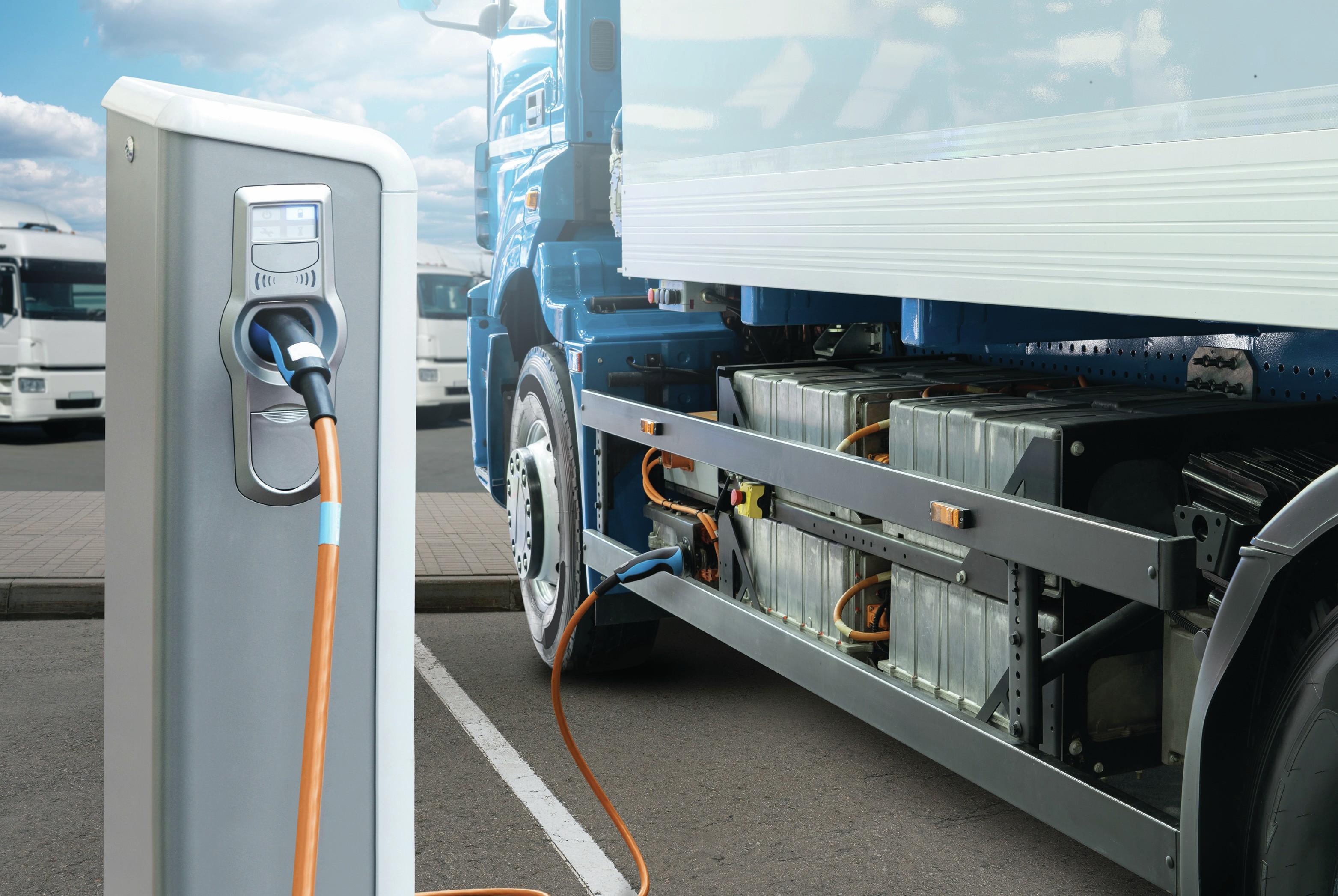
Clean charge: but there are costs associated with green technology
“Inevitably, there will be costs associated in changing operations,”
Ashley says. “However, of equal importance is ensuring that infrastructure and regulations are in place for this – to power electric vans and e-cargo bikes, as well as there being available land for hubs.”
Crossing the electric channel
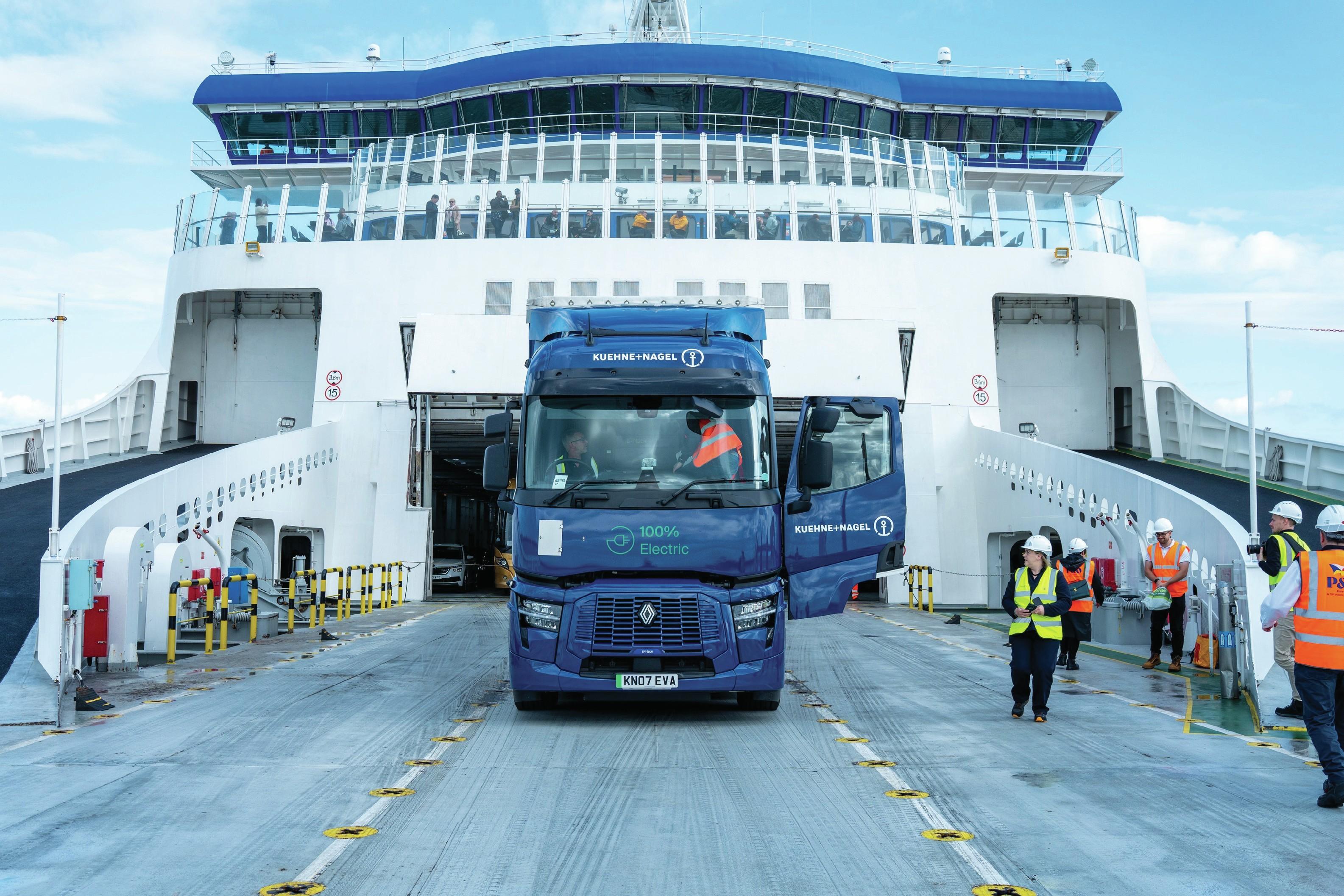
In June 2025, logistics firm Kuehne+Nagel became the first to carry freight across the English Channel in a heavy-duty electric truck, proving that goods, including wine and alcoholic drinks, can be transported across borders by electric power. Using a fully electric Renault truck, the company completed a journey from the UK to France on a P&O hybrid vessel – producing 40% fewer carbon emissions – illustrating the potential of decarbonising logistics.
Kate Broome, Kuehne+Nagel’s sustainability and social impact director, said the firm had learnt many lessons from the trip. And the field of logistics should welcome the challenge of new technology. “We are already hitting these incredible milestones,” she explains. “This is about a transition, not a cliff edge. As we grow in confidence, and as technology develops, there is more we can do every day.”
The truck’s journey started in its East Midlands Gateway depot in Derbyshire, with the vehicle completing its journey in Amiens, France. After unloading, reloading and recharging, the vehicle then returned to the UK. The total return journey spanned 1,100km. “On the way back, we only had to recharge once,” Broome says.
Driving digitally
And how has technology changed logistics in the driver’s cab? Sally Gilson, policy manager – skills at the RHA, says logistics is a “data-rich sector”, but this is under-utilised and requires upskilling. “Younger drivers are probably better equipped for doing driver walk-around checks via apps,” Gilson says, “or having mirrorless HGVs with camera technology. Younger people are used to this tech, but older drivers may find the digital switch challenging.”
AI is also increasingly playing a critical role in logistics. “There is data that could be utilised by AI: optimising route planning using traffic data, creating more efficient routes, monitoring HGV performance to plan maintenance – so much can be done. But logistics will need to develop and recruit these digital skills to get the most out of it,” says Gilson.
LCB has introduced such technology to its transport operations – both in the warehouse and beyond. Hogg explains: “We have new battery charging technology for mechanical handling equipment that uses 30% less energy and automatically switches off to save energy. There are EV charging points across our sites, with many staff driving electric vehicles. Delivery vehicles are also equipped with ‘E-Pod’ devices, which allow individual customers to track products online.”
It is only through embracing technology that these shifts have been possible. Hogg concludes: “Technology and innovation never stand still.”
Related news
InBond proves the drinks trade cannot neglect logistics


