



More than 50 Washington wineries now bottling Sustainable WA-certified wines
More than 50 wineries in Washington State are now producing wines with grapes certified under the Sustainable WA programme, as the region boosts its sustainability credentials and global market presence.
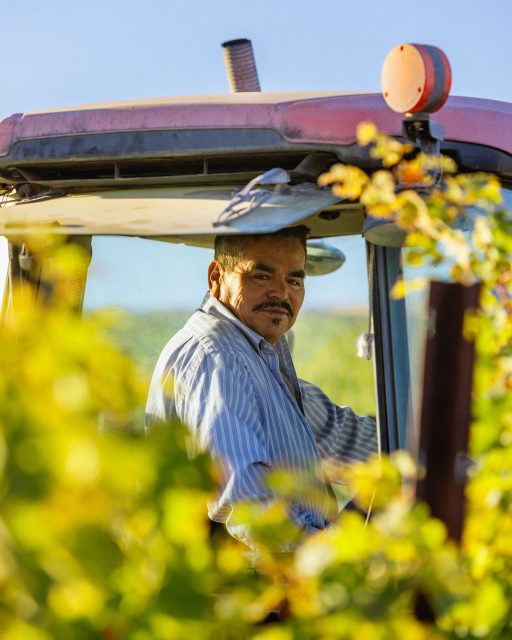
More than 50 wineries in Washington State are now producing wines using grapes certified by the state’s official sustainability standard, Sustainable WA, the Washington State Wine Commission has announced.
The certification, designed specifically for vineyards, now covers over 100 sites across the Pacific Northwest state. Participating wineries may label their bottles with the Sustainable WA logo if they meet the minimum percentage of certified grapes required under the scheme.
Sustainable WA is a third-party regulated certification that encompasses a broad range of viticultural and business practices, including soil, water and nutrient management, pest control, vineyard redevelopment, human resources, and ecosystem health. The programme also ensures fair wages and safe working conditions.
The certification can be obtained in tandem with the Salmon-Safe accreditation, provided both sets of standards are met.
Partner Content



Tailored to Washington’s terroir
Developed over two decades to reflect the unique terroir and agricultural context of Washington, the SUSTAINABLE WA programme uses science-backed benchmarks to assess compliance. It aims to support the long-term health of the region’s wine industry while also meeting the expectations of consumers seeking environmentally responsible products.
The scheme is part of a wider push to build brand affinity for Washington wines globally, with growing recognition in the UK market and increasing listings in major British retailers.
Doug Frost of Taggart Vineyard and Echolands Winery in Walla Walla Valley said: “We jumped at the chance to certify Taggart Vineyard because we are trying to farm as regeneratively as possible and we want people to know it. Sure, part of it is letting your customers know what you’re doing, but part of it is making sure that we are actually adhering to a program of responsibility and progress.”
Steve Elerding of Elerding Vineyard in Yakima Valley added: “Certification indicates that all the viticultural practices are compatible with the highest industry standards. The process is rigorous. Consumers can be assured that no corners were cut. In the tasting room wine buyers want to know everything there is to know about that bottle of wine.”
JJ Williams of Kiona Vineyards & Winery in Red Mountain noted the value of the accreditation in communicating long-standing practices: “We know that we’ve farmed responsibly for the entirety of our 45+ year history but communicating that to our clientele was an uphill battle, both on the wine sales side, and the grape sales side. Having the certification in our back pocket allows us to have a ‘yes, AND’ answer instead of a ‘yes, BUT’ answer.”
Related news
Felix Hart turns 'visual sommelier' in Peter Stafford-Bow's new wine novel
Raising labour standard in the wine industry 'unsexy, but important'
Old Vine photography shortlist unveiled at heritage showcase


