



How low and no alcohol brands are reviving football shirt culture in Spain
Spanish clubs Real Valladolid, Celta Vigo and Deportivo La Coruña are riding a new wave of nostalgia-driven shirt sponsorship. With Estrella Galicia leading the way, the beer logo is back on the pitch – this time in low and no form.
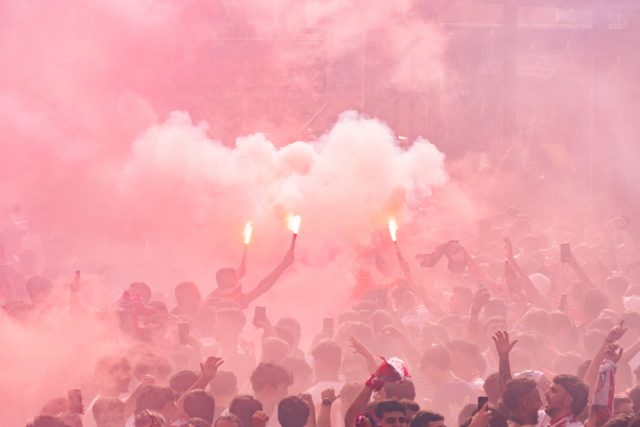
Football shirt sponsorship has always shaped the way fans remember eras. Think of Liverpool’s green Carlsberg logo during the 1990s, Leeds United and Strongbow at their UEFA Champions League peak or Newcastle United emblazoned with Newcastle Brown Ale. These were not just sponsorships, they were part of the identity – logos stitched into the visual language of football folklore.
As reported by db, the golden age of alcohol-backed kits came to an end when legislative shifts across Europe, including Spain’s 2012 ban on alcohol sponsorship, changed the commercial landscape. This hit particularly hard because beer had always been part of the matchday experience – pints before kick-off, brewery signage at stadiums and, in Newcastle’s case, a fanbase that took pride in drinking the same Brown Ale advertised on its shirts.
In the vacuum left behind, gambling firms (arguably more morally ambiguous) and international airlines moved in. While lucrative, these partnerships felt transactional and detached from football culture, leaving shirts looking more like rolling billboards than cherished symbols of local identity.
Estrella Galicia finds a stylish loophole
View this post on Instagram
Partner Content


Fast forward to today, and beer is back – but not as you knew it. Spanish brewer Estrella Galicia has cleverly side-stepped restrictions by focusing on its low and no alcohol lines, products legally eligible for front-of-shirt advertising. The result? Three of Spain’s most visually distinct clubs now share an understated, elegant sponsor logo that resonates locally and appeals globally.
- Real Valladolid (Segunda División, Spain’s second tier) returned to Estrella branding in a move that instantly gave its purple-and-white stripes an extra layer of heritage appeal.
- Celta Vigo (LaLiga, Spain’s first tier) extended a partnership rooted in Galician pride, with the Estrella logo long integrated into its sky-blue home shirt and embraced by a fiercely loyal fanbase.
- Deportivo La Coruña (Segunda División) released a Galicia-inspired third shirt with Kappa for 2025/26, hailed as a “football hipster’s dream” and already selling beyond the club’s traditional support base.
In the wine industry in particular, we are constantly told that provenance and storytelling are the most important factors when trying to attract new, younger, “cooler” consumers. These Spanish shirt sponsors echo exactly that. They celebrate place, culture and heritage, using sponsorship as a platform for local identity rather than just another brand placement.
Guinness and grassroots
Spain is not alone in this shift. Guinness recently partnered with the Premier League in a wide-ranging deal that prominently features its non-alcoholic offering, Guinness 0.0, in broadcast and digital campaigns. Meanwhile, in England’s League Two, Walsall FC announced NoFo Brew Co as its front-of-shirt sponsor for the 2025/26 season. Like Estrella, NoFo focuses on small-batch and low-alcohol brewing – a sign of how lifestyle changes around alcohol consumption are shaping sponsorships far beyond elite LaLiga teams.
These moves are rooted in consumer trends. Low and no alcohol beer has become a growth sector, accounting for an increasing share of beverage revenue in Europe. It dovetails neatly with modern football’s branding needs: clean, family-friendly and yet still with an echo of the golden age of alcohol sponsors.
Nostalgia sells – and so do shirts
One reason these sponsorships matter is their impact on shirt culture. Football shirts are no longer just matchday wear; they are global streetwear, collected and worn for their aesthetic and historical references. When Deportivo or Valladolid launch a shirt with an Estrella logo, they are not just appealing to local fans but to collectors worldwide who value iconic design.
Celta’s current shirt, with its soft blue fabric and crisp Estrella logo, has appeared in fashion lookbooks far outside Galicia. Deportivo’s Galicia-inspired third kit is selling to non-season-ticket holders who may never attend a match but see in the design a slice of authentic local culture. These are shirts that make you feel like you’re part of something, even if that something is just a beautifully designed symbol of place and time.
Is the beer shirt back for good?
The re-emergence of beer logos in Spanish football shows how sponsorship can evolve without losing its soul. Low and no alcohol branding offers a legal, ethical and visually appealing option that feels authentic to clubs and fans alike. If sales trends and social chatter are anything to go by, more clubs could follow the Spanish example, perhaps even reviving classic sponsor relationships in low or zero form.
For football purists, it is a small but significant cultural shift: the kits look better, the sponsorships feel more authentic and the nostalgia is real.
Related news
New Rennes FC coach collects wine to 'escape' football pressures
Carlsberg return could turn Liverpool football shirt into a classic
Ramón Bilbao becomes official partner of Spain's national football teams


