



French winemakers turn to Essex for fine wine future
Leading French estates including Domaine Duroché and Domaine Bernard Moreau are partnering with English producers Danbury Ridge and Missing Gate, as Essex gains global recognition for its Pinot Noir and Chardonnay. Warmer, drier conditions and rising quality are driving a shift in international investment.
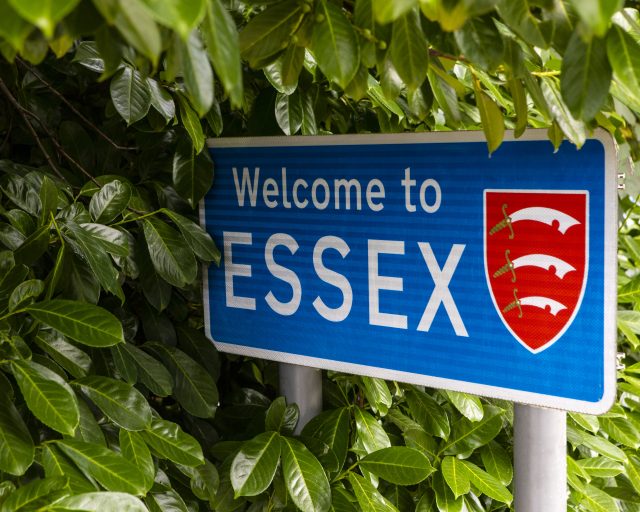
Burgundy meets Danbury
One of Burgundy’s most prestigious wine estates, Domaine Duroché, has formed a joint venture with Danbury Ridge Wine Estate in Essex. The partnership came about after Pierre Duroché, fifth-generation winemaker of the family-run Domaine, tasted Danbury’s 2021 Pinot Noir. So impressed was he by the wine, he decided to collaborate on a “small batch cuvée” to be released in 2028.
Duroché will travel to Danbury Ridge for the 2025 harvest and winemaking season to help craft the wine. He told The Times that the quality of the Essex Pinot Noir was such that he felt compelled to work with the estate.
The move follows recent comments from Olivier Leflaive, another major Burgundy name, who admitted that the French “need to be worried” about Pinot Noir from Essex.
New projects and new praise
Duroché is not the only Burgundian winemaker setting his sights on the county. Alex Moreau, of Domaine Bernard Moreau, has partnered with Missing Gate vineyard in Woodham Ferrers to produce a new Chardonnay.
“We’re never going to compete on quantity. We just can’t do the volume of grapes so we need to drive quality upwards,” said Missing Gate owner Nick Speakman. “That’s why we have a very low density of planting with very wide rows to reduce chemical requirements and to try and make something with a bulletproof taste, hardened for months.”
On Moreau, Speakman told The Times: “Alex is one of the most charming and knowledgeable people I’ve ever met, and that’s even though he is French. He’s been incredibly generous with his time and very complimentary about what we’re doing here.”
Partner Content

He added that the partnership could have lasting consequences: “It’s significant. To put it bluntly, it’s giving me a problem for IHT.”
Global eyes on Essex
While French producers are only now making moves, new world players have already staked a claim. Jackson Family Wines from California launched its first “Essex Burgundy” last month at Royal Ascot, and Nick Lane – previously of Cloudy Bay – has opened a winery near Colchester to focus on still wines from East Anglia.
Henry Jeffreys, author of Vines in a Cold Climate, told The Times that Essex’s reputation has shifted dramatically in the last five years thanks to award-winning wines and ideal conditions. The Dengie Peninsula, located between the Blackwater and Crouch rivers, is notably warm and dry, making it well-suited to still wine production.
“If you want to make a red wine, you need to get the skin really, really ripe so that you can get colour out of it without it tasting kind of green,” Jeffreys told The Times. “That’s actually very hard to do in England because we have lots of rain. But in this part of Essex it’s hot and, most importantly, dry so there’s less disease, meaning you can let the grapes ripen right into November.”
The region’s sticky clay soil helps too, retaining moisture in dry periods without becoming waterlogged. Historically, this soil has kept land prices relatively low due to its difficulty for arable farming – a further incentive for would-be investors.
Jeffreys said Burgundy’s interest stems from changing climate conditions in France. “It’s a similar story to what happened with the Champagne houses coming to Kent and Sussex. With the Burgundy region warming up, they’re thinking, where’s the next best place? And it’s Essex.”
As db recently reported, English still wines are increasingly gaining international recognition, with producers in regions like Essex leading the charge. db’s Patrick Schmitt MW recently noted that barrel-aged Chardonnays from Essex’s Crouch Valley are now being compared to fine Chablis, thanks to their balance, precision and ageing potential. The quality emerging from this part of England is helping to reposition the country not just as a source of sparkling wine, but as a serious contender in the world of fine still wine — a trend that is clearly reflected in the growing interest from Burgundian winemakers.
Related news
Rathfinny wins approval to expand Sussex wine tourism offering
How is English wine really doing in 2026?
Breaky Bottom, one of England's oldest and most revered vineyards, goes on sale for first time


