



Can Bordeaux bounce back?
As Bordeaux rips out vineyards and faces stalling sales, the region’s winemakers are desperately in need of some good news, writes Chris Losh.
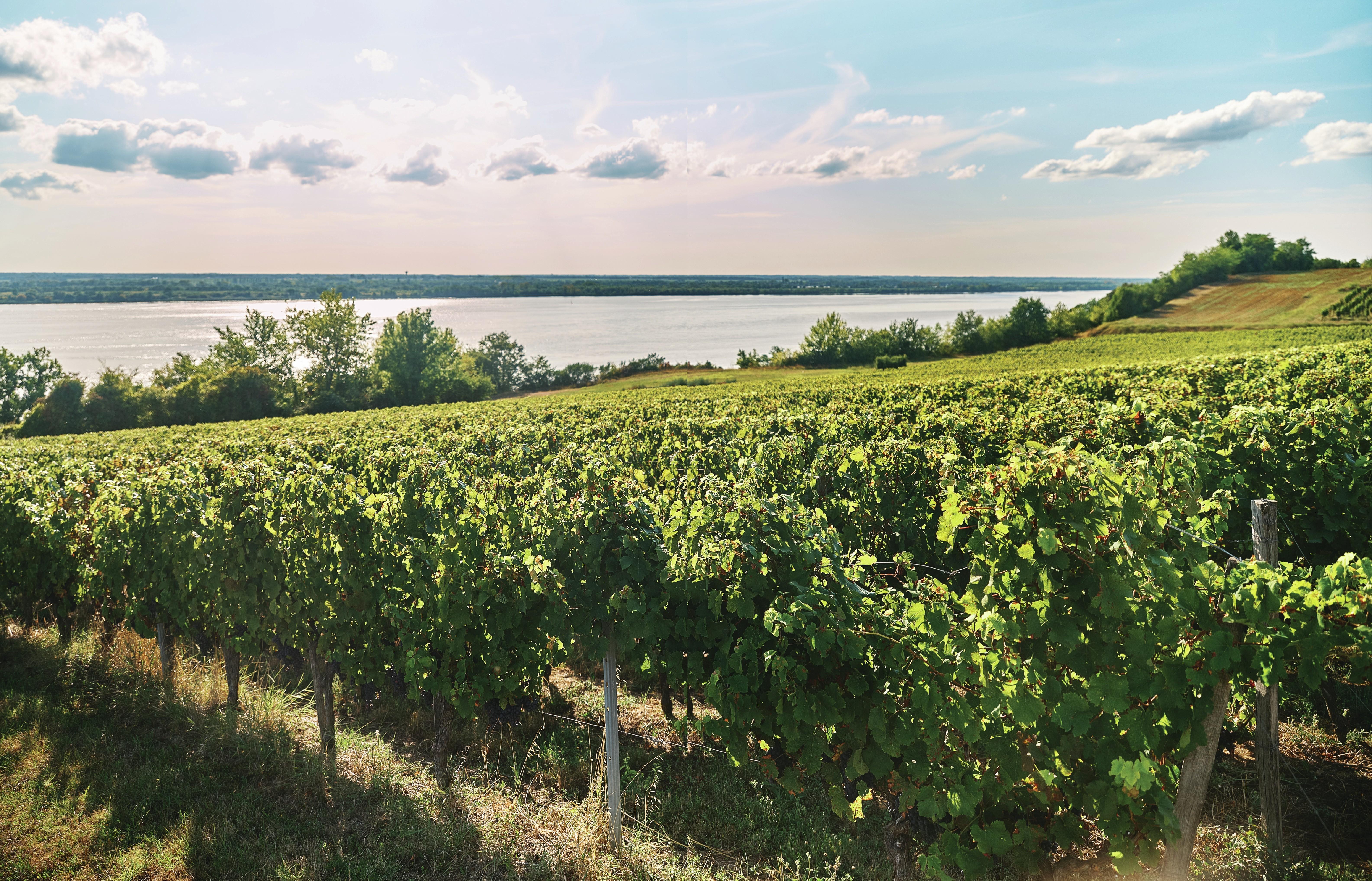
Where do you think the UK trade is with Bordeaux right now? Regretful at the sorry state it finds itself in economically? Gleeful that a region that treated its customers with something between indifference and contempt has got its comeuppance? Concerned that its ills are indicative of a wider, existential wine angst? Or perhaps optimistic that things will turn around?
Robert Mathias MW is looking thoughtful. I’ve just asked him the same question at the launch of Hallgarten’s new Cellar Series (of which more later), and he knows it’s a nuanced issue.
“I’d say the attitude is quite ambivalent,” he says eventually. “[Bordeaux] doesn’t have the same cachet it used to.”
Cavalier approach
As summaries go, it’s a pretty good one. Bordeaux has often had a somewhat cavalier approach to both pricing and the people who buy its wines. But there’s no question that a healthy Bordeaux also helps to drive a healthy wine trade. When the region sneezes, lots of businesses catch a cold.
And, of course, not all of Bordeaux’s health issues are self-inflicted. Some 60% of its sales are in France, and wine consumption in the domestic market is in long-term decline, with red wines most affected. This is bad news if reds constitute 80% of your production.
Likewise, being a producer of tannic, oak-aged wines at a time when everyone wants fruit purity, medium body and maximum terroir is somewhat sub-optimal.
As one buyer for a hotel group sardonically puts it: “There is more nuance in Burgundy, where terroir and more sensitive winemaking have prevailed over [Bordeaux’s] more commercial approach.”
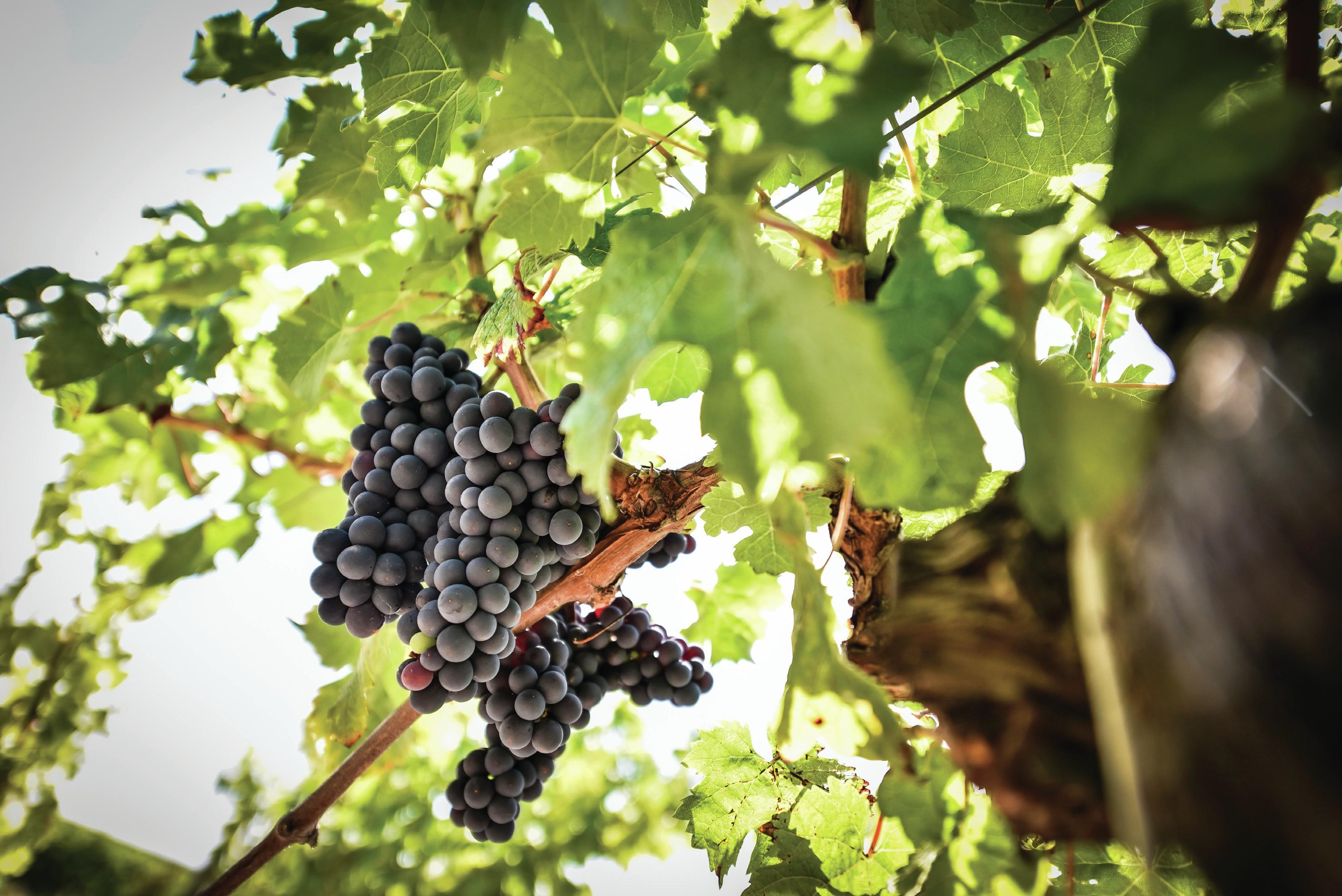
Then there’s the age thing. Classic claret drinkers who ordered by the case and kept doing so are disappearing, and the new generation are less committed.
“They’ll buy smaller quantities once or twice, then try something else,” says Jeroboams’ fine wine buyer, Martin Tickle.
Put all of this together and it makes for pretty grim reading. Certainly red Bordeaux is in a tailspin at home – sales in France have tumbled by 44% in the last decade, and export markets are not picking up the slack. They were down 4% in volume and 8% in value last year. The US took top spot in 2024, but with Donald Trump in the White House this may be a somewhat Pyrrhic victory.
Too much wine
It’s obvious that the region produces far too much wine. It moved to act on this in 2023, with a grub-up plan that took out more than 12,000 hectares. The vineyard area is now down to 94,000ha, with another 4,000ha to go.
In 2024, for the first time in a long time, production was broadly in line with sales. But this comes with two significant caveats. Firstly, 2024 was a freakishly small vintage. With no spring frost damage, 2025 is likely to be a lot bigger.
Secondly, a significant number of the wines that were sold went out of the cellar at brutally low prices. Bulk prices fell below €900/barrel earlier this year, well below the cost price as calculated by the Gironde Chamber of Agriculture.
Gavin Quinney, a producer in Entre-Deux-Mers and a respected observer of the region’s wine scene, suggests on his website – gavinquinney.com – that as much as 30% of the region’s remaining vineyards could be financially unviable.
No relief
A buoyant en primeur campaign can sometimes provide relief for the region. But 2024 has been a dog. Despite cuts of around 30% on 2023, Bordeaux prices remain high compared to a decade ago, and buyers have sat on their hands. Livex reports that Bordeaux’s trade value is 32% lower than it was in 2015.
Producers are stuck: 2024 was a small vintage and an expensive one to produce, yet their prices are going down. The famed disconnect between vintage size/quality and pricing has largely favoured the châteaux over the last 20 years. Currently, it does not.
“The efforts of smaller châteaux, such as Carmes Haut-Brion who released flat on the 2021 and almost certainly below their own cost of production, deserve to be commended,” says Sophia Gilmour, market analyst at Liv-ex. “Still, it will take time to rebuild trust through each step of the supply chain.”
Private collectors have lost on their purchases over the last few years, and will take some persuading to come back.
“A lot of collectors are offloading their stocks, so for us this is a good opportunity to replenish our cellar with Bordeaux wines with age at a very competitive price,” says Matteo Furlan, head of wines at the Dorchester London.
“I don’t believe many places such as us are currently buying en primeur, as older wines are much cheaper.”
A reset year
With a large volume of wine likely to remain unsold, Martin Tickle at Jeroboams describes this as being a “reset year” – the vintage after which release prices return to something approaching reality. This, clearly, would be good news for merchants who have grown increasingly vociferous in their complaints about pricing.
Within the current largely gloomy scenario there are some flashes of brightness. Sales of Crémant de Bordeaux are up 20% in the domestic market, and with fizz still popular, some see potential there.
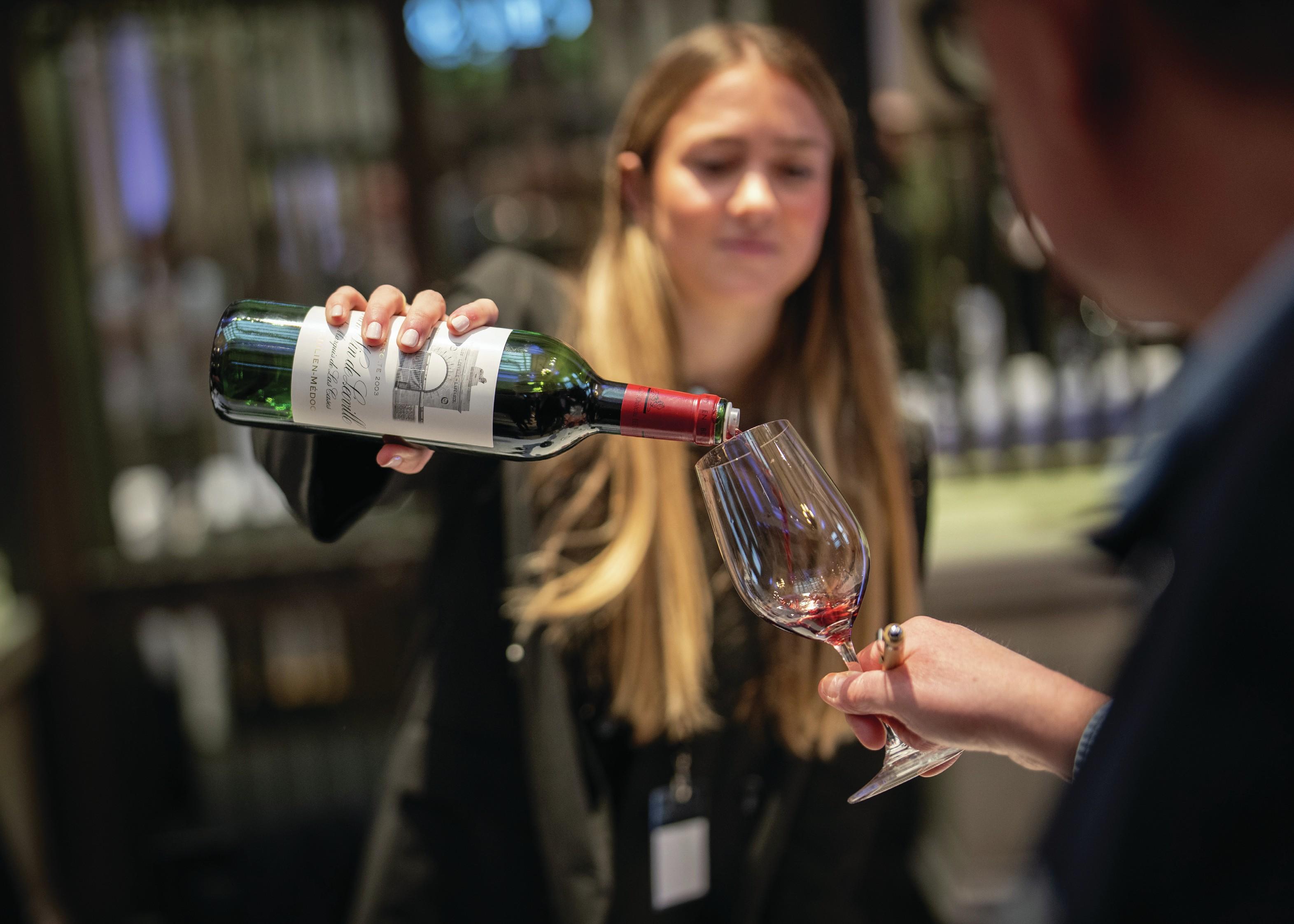
Mature market: Hallgarten’s Cellar Series offers older bottles direct from Bordeaux
Others, however, point out that sparkling Sauvignon is a tougher sell than Crémant de Bourgogne which, of course, is made with Champagne grapes. In any case, despite a big increase in production, Crémant remains less than 5% of Bordeaux’s total output.
It is a similar story with white wines.
Production is up – vineyards in the Entre-Deux-Mers that were grubbed up and planted with Merlot 20 years ago are now going back the other way. But white wine production is only 10% of the total. And, while there is widespread love for it within the trade, few see much pull-through from their customers.
“Bordeaux whites offer good value in a fine wine context,” says Jeroboams’ Martin Tickle. “And there’s a lot of talk about it becoming more relevant. But I don’t necessarily see it in our consumer base.” This lack of interest is generally seen as the result of the Bordelais’ historic unwillingness to engage directly with the people who buy and drink their wines; a gap which other wine-producing regions have happily stepped in to fill.
“If you look at restaurants, it’s pretty rare to find a really exciting Bordeaux list these days,” says Tickle. “Fifteen, 20 years ago, most somms had probably tried all the great wines of Bordeaux, but a lot of them now probably haven’t. To be successful now, you need to be opening bottles and in markets 12 months of the year.”
Direct from the cellars
This is where Hallgarten sees its new Cellar Series stepping in. The merchant has teamed up with négociant Compagnie Médocaine des Grands Crus to offer older bottles direct from the cellars of 30 châteaux.
Robert Mathias MW was responsible for a similar scheme at Bibendum (Bordeaux Collection) in 2020, but believes the timing is even more important now. “The quality of the wines has never been better,” he says. “There’s incredible excitement and really good consistency. But there’s too much wine going around. We need to encourage people to drink Bordeaux.” Cellar Series gives restaurants the opportunity to buy older bottles in small quantities with guaranteed provenance (all of which are attractive to hospitality), without having to pay a premium for doing so.
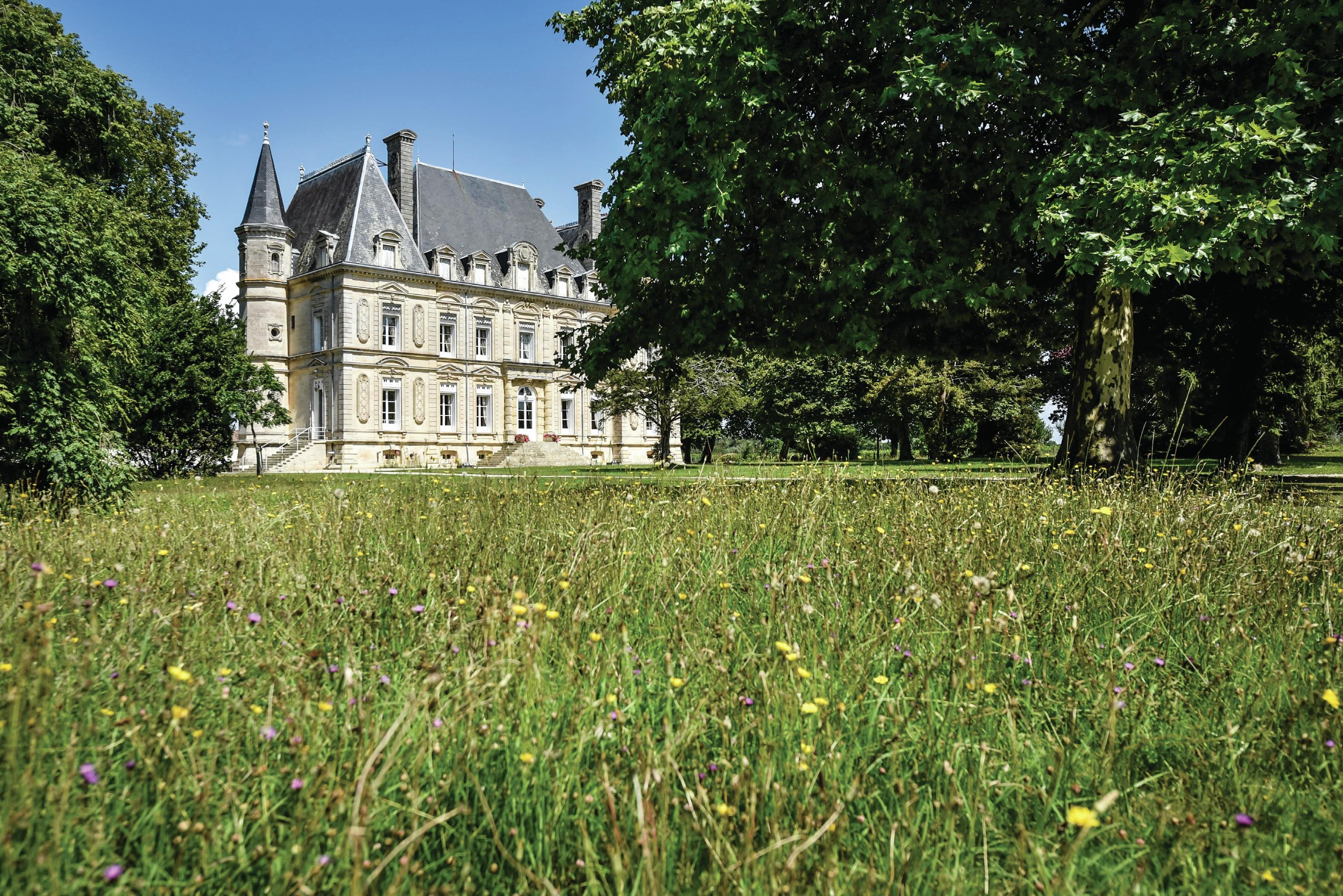
Photo courtesy: Anaka Public
For the châteaux, meanwhile, it’s a chance to get back into the market and restart relationships that have faltered. And if they get slightly less selling this way than they would have done selling the same bottles five years ago, at least they are being bought and drunk. “Many châteaux understand the value of what this project offers,” says Mathias. “You’re not going to get rich quick by selling thousands of bottles overnight into the on-trade. But you can’t ignore the visibility that this project can offer to properties.”
The key word in that sentence, perhaps, is “visibility”. Everyone I spoke to for this article is positive about the quality of the wines that the region is making. This applies to both traditional styles and a niched but growing movement for lighter, fresher, lower-alcohol wines – often using amphorae rather than oak.
Somms are still aware that serious venues need classed growths, and are genuinely impressed by what they can get on their list at the £70–£100 level. And few places if any in the wine world have good volumes of quality, eight- to 10year-old wines available at affordable prices.
Lost interest
So the trade is largely on board, willing Bordeaux to succeed. The problem is consumers, who have lost interest, drifted away and have not been replaced. Re-engaging with them is possible, but will take effort and time, and the latter, at least, is something many châteaux might not have.
But let’s not finish on a negative. The 2025 growing season has been untrammelled by spring frost and the (admittedly early) signs are positive. “This year’s pricing creates an opportunity for next year,” says Martin Tickle. “It’s going to be hard for them to go up 30%, and there should be some volume. Things could look very different this time next year.”
Here’s hoping.
Related news
Bordeaux vineyard values plunge as wine sales fall below three million hectolitres


