



Sustainability soars in Champagne
Sustainability has become an even greater priority for Palmer & Co. Managing director Rémi Vervier tells db about the Champagne producer’s latest green initiatives.
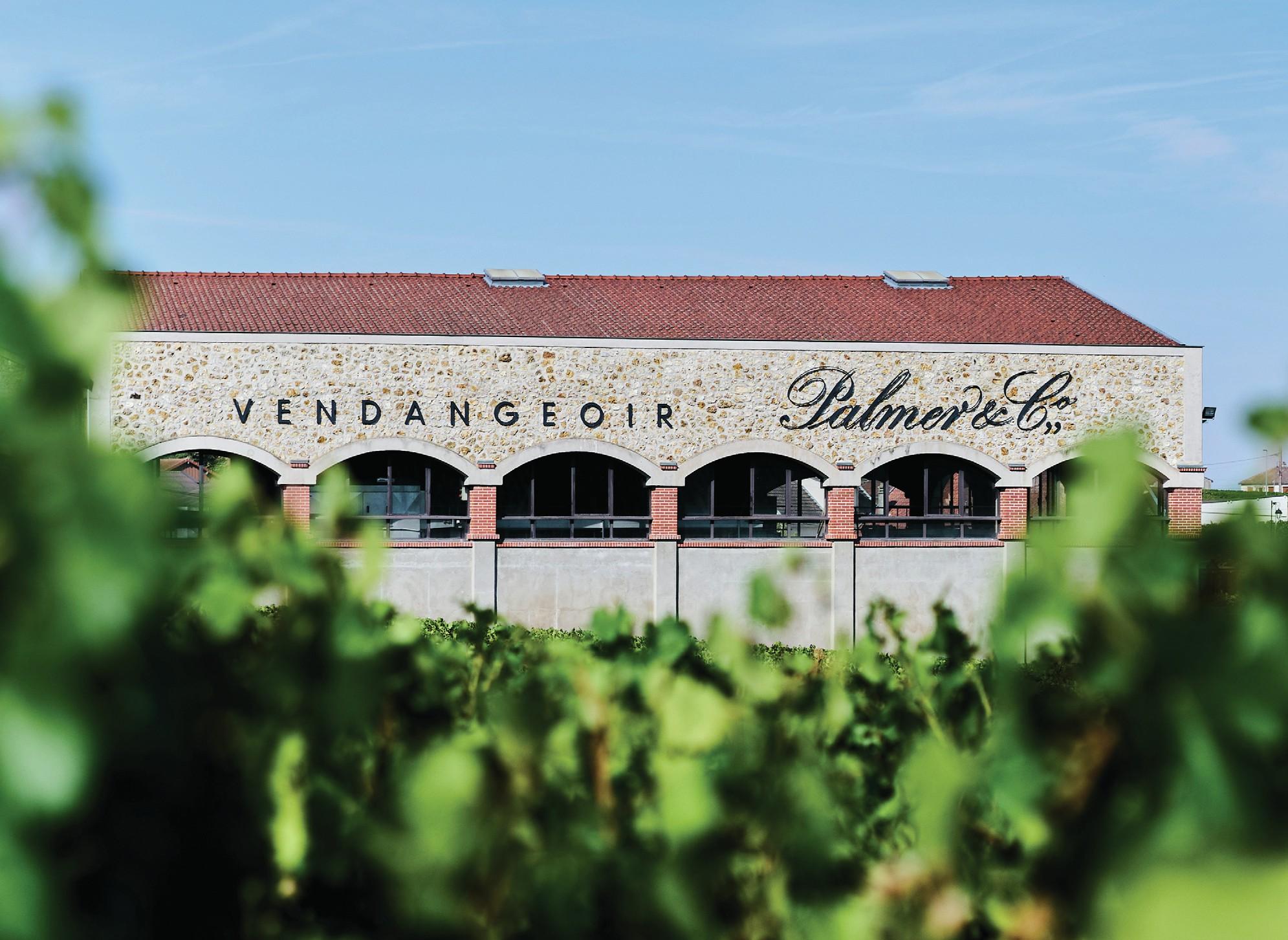
How have your sustainability initiatives progressed in recent months?
More than 85% of the Palmer vineyards are already certified Viticulture Durable en Champagne and HVE3. But our commitment goes beyond viticulture. The last 12 months have been very active, we have obtained a double Iso 14 001 certification and CSR commitment label, and assigned AFNOR to confirm our contribution to sustainable development. In June 2023 we became one of the first Champagne producers to obtain the status of ‘mission-driven company’. Our ‘raison d’être’ and the social and environmental objectives that we have set guide our plans based on three priorities: Meeting the expectations and needs of our stakeholders, members, employees and customers; helping to protect the environment; sustainably promoting our terroir and expertise.
You’ve placed a real emphasis on the traceability of your Champagnes. How does that tie into sustainability?
Excellence goes hand in hand with transparency. In 2024, we enhanced our Bottle ID scheme, launched in 2021, by enriching the information shared with consumers on the back label, offering the chance to delve into the secrets of our signature wines. One can now find: the blend, the base year, the percentage of reserve wines and the years they are made up of, as well as the precise dosage. For us, transparency is an integral part of our commitment to sustainability.
How can you promote sustainability with your grower partners?
We regularly invite the ‘Palmerians’ to come and talk about key issues relating to sustainable development, either through conferences or by organising visits to the vineyards. Our desire to “do better together” guides all the actions we take.
What are the biggest challenges of operating sustainably in Champagne?
It is more important than ever to look after our land so that we can continue to produce high-quality Champagne in the face of today’s environmental challenges. One challenge is to better understand our impact on biodiversity. In 2023, we installed sensors on 3 beehives on our site in Bezannes in partnership with the startup company Tech4Gaia. The aim was to monitor the activity of bees, which are invaluable in maintaining an ecosystem’s balance. The initial results should be available within the next few months.
Is sustainability given enough attention in the fine wine sector?
It has been increasing as wine regions do more to promote the issue. Champagne was the first wine region in the world to publish its carbon footprint in 2003, and the Comité Champagne has set ambitious goals for the region, including reducing its carbon footprint and improving biodiversity. We have been providing the Comité with our carbon data for a number of years and are moving up a gear by recording our carbon footprint for 2023 using the French Agency for the Environment and Energy Management. The results we are studying will enable us to identify areas for improvement, and to put in place the objectives and actions needed to achieve them.
Related news
New leader for Champagne Pol Roger as Laurent d’Harcourt retires
Laurent-Perrier returns to growth despite Champagne headwinds


