



Is it time to let wine style decide which closure is used?
The new frontier of the closures industry is tailoring your closure to your specific wine style, Sarah Neish reports

FOR DECADES, closures firms have tussled over which is the safest, most advanced, TCA-free and sustainable option with which to close a bottle. Is cork or screwcap best? And, if cork, then is a natural, granulated or technical stopper best suited to a winemaker ’s product?
While drinks producers have nailed their colours to their masts in terms of preference, the debate is moving on, thanks largely to a new body of research that delves into which closure pairs best with the chemical make-up of specific wines.
Closures companies have been funnelling considerable resources into research and development (R&D) that looks at how the phenolic compositions of different wines are more compatible with certain closure types. Early findings indicate that different closures may benefit different wines, depending on factors determined in the vineyard and cellar such as grape variety, acidity levels and the winemaking style used.
One company at the forefront of such research is Portugal’s MA Silva, which intends to release the results of its ground-breaking project in the next few months. On a recent trip to Porto, the drinks business gained a glimpse into MA Silva’s methodology in investigating the impact of different closures on wines.
“Our team has taken an in-depth look at the aromatic and phenolic composition of different wines in order to communicate to customers what the impact will be of the cork in the bottle,” says José Pedro Machado, head of R&D at MA Silva.
The closures company, which has distribution centres in Spain, France, Brazil, Chile, China and the US, has teamed up with Portugal’s Universidade de Aveiro on the research, and its findings could prove a gamechanger for how winemakers, merchants and retailers perceive closure choice.
Having performed tests on red, white and sparkling wines, MA Silva has “analysed the volatile profiles of the same wines under the influence of different cork stoppers, examining physical and chemical parameters, sensory analysis and oxygen kinetics from different cork stoppers, as well as other parameters,” explains Nuno Silva, marketing manager.
The ultimate aim of the project, he explains, is “to be able to adjust the kind of closure to the profile of the wine, with a recommendation as close as possible to the winemaker ’s intent”.
It’s a bold move. While other companies have carried out similar research, MA Silva claims to have gone one step further. “MA Silva is not the first closures company to do this kind of research, but others have been more focused on oxygenation,” says Machado. “More than 1,000 compounds have been quantified in our research, whereas the research of other companies, to my knowledge, has not exceeded 150 compounds.”
According to MA Silva, “the results are promising”, and the company will be able to communicate them more fully by April 2024. In fact, so confident is the closures firm in its discoveries that it is prepared to recommend a cheaper product to customers than the one they currently purchase from the company if it transpires that the cheaper closure will be best for that customer ’s wine.
“We will be happy to take the hit,” says Machado, “because we are not a mono-product manufacturer, we make all the products.”
According to Machado: “It may even help with customer retention because of the transparency and trust.”
The company’s findings will see MA Silva become a scientific matchmaker for winemakers, cherry-picking from closures spanning the breadth of the firm’s portfolio.
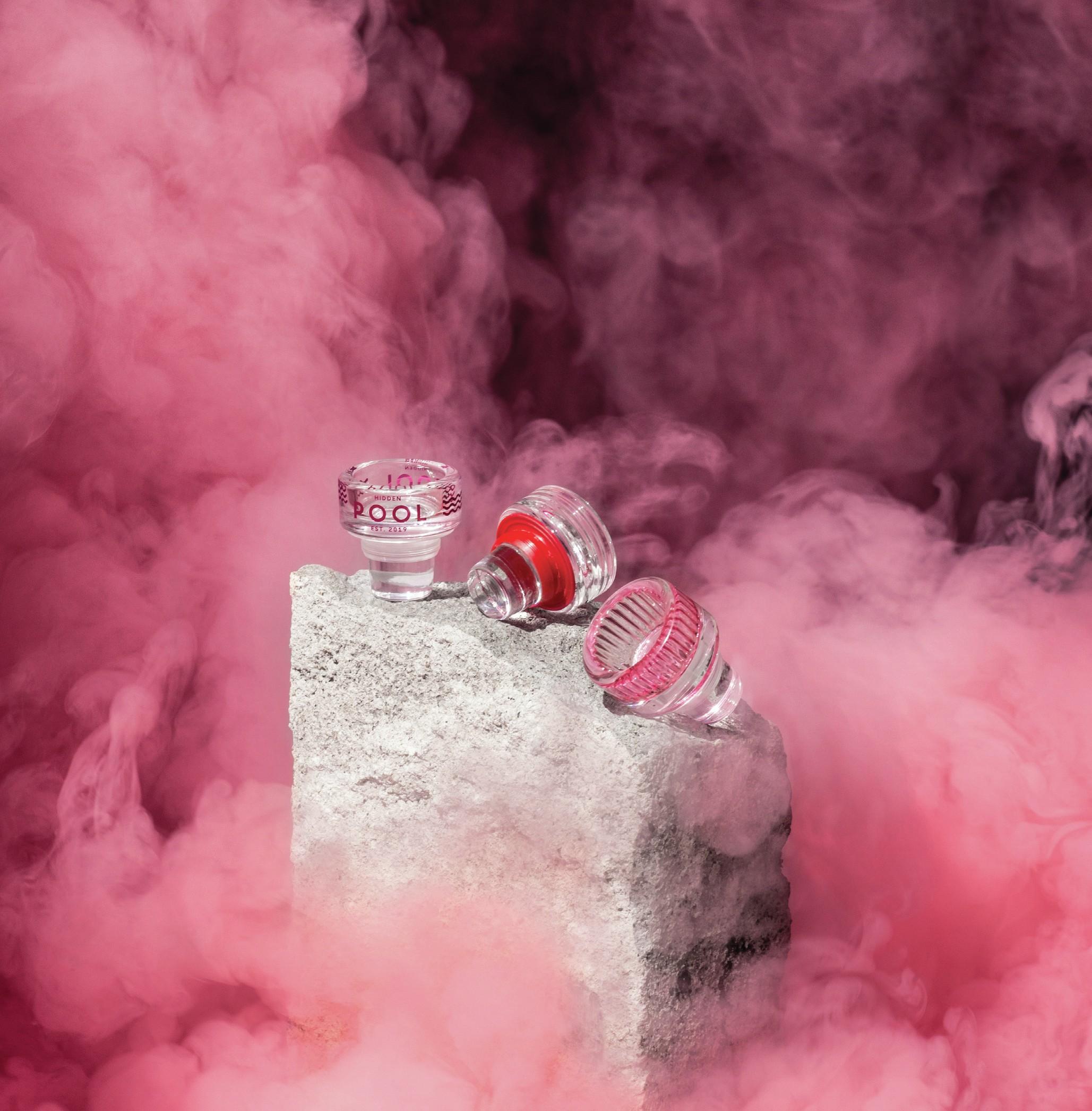
PICK ‘N’ MIX
The idea of tailoring a closure to a specific wine is nothing new, but it’s the minute detail of compatibility made possible by the latest research that’s exciting.
“Wineries well know that there is no longer such a thing as one size fits all,” says Carlos de Jesus, director of marketing at cork producer Amorim. “To think that one single type of closure would work exactly the same across all grape varieties, all terroirs, all types of wines and at all price points does not fit the most updated scientific research.”
According to de Jesus, “grape cultivar, geographic origin, vinification production and technological processes, as well as post-bottling conditions” all impact the sensory quality of a wine.
Crealis, which makes foils and wire hoods for Champagne and sparkling wine bottles, as well as various closures made from tin, plastic and cork, offers a similar matchmaking service with regard to its liners (the piece of material that sits between the closure and the bottle).
In-depth analysis by the company, combined with studies conducted by PeDi srl, has revealed that the permeability of the liner used has a significant impact on the taste of traditional method sparkling wine.
“During the ageing process, it is essential to have control over the gas (oxygen and CO2 above all) exchange between the bottle’s contents and the external environment,” says Isabelle Gruard, group marketing director for Crealis.
“A greater or lesser level of active micro-oxygenation can affect the organoleptic features of the wine and therefore the final flavours when smelling and tasting.”
Thanks to liners with different permeabilities, the winemaker can “pick the right solution based on the characteristics of their base wine/s, the time of ageing, and the desired tasting result,” she adds.
Crealis offers six different liners, the latest being its Oxysorb innovation, launched in 2017, which contains a sulphites-based compound which, upon meeting oxygen, “serves as a barrier that prevents that oxygen from entering the bottle,” says Gruard. The product is the ideal solution, she claims, for wines “that are particularly vulnerable to oxygen, including rosé, organic and sulphite-free wines”, as well as for those vintages “where grapes are particularly oxidated”.
The choice between closure type is rapidly becoming less about personal preference, and more about gathering concrete evidence for how a certain closure will impact the flavour of a specific wine.
“The decision now is really about what is more beneficial for the wine, what’s going to emphasise the organoleptic properties of the product and what the best way is to preserve the aromas for that particular expression,” explains Catherine Fontinha, head of marketing for Amcor.
“We have customers making tests and comparisons on their entire range, and then adapting their closure choice to better reflect what they want their wines to taste like.”
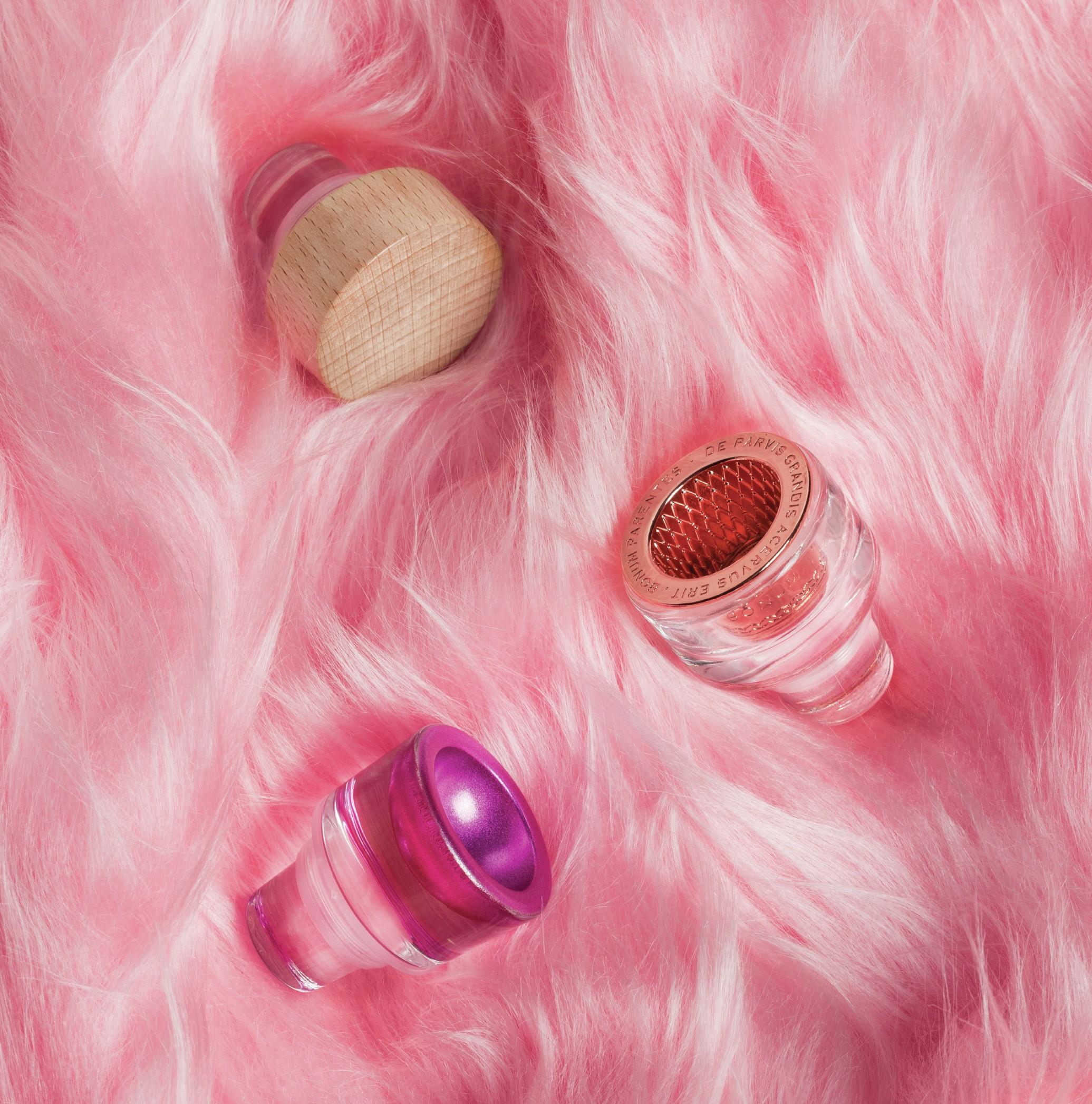
Many other closures firms are in agreement, including Vinolok, which crafts elegant glass closures from its base in the Czech Republic. Vinolok’s marketing manager Katerina Slezáková tells db that, while the focus until now has largely been on oxygen management, consistency, performance and sustainability, a shift has taken place that means “wine style and expression should be considered, as different closures can contribute to the expression of wine characteristics”.
Last year, Vinolok carried out a study on premium expressions of Pinot Grigio and Pinot Noir, in collaboration with Italian winery Cantina Jermann, based in Friuli. Wines were bottled under controlled conditions using different closures including glass, screwcap, natural cork and micro-agglomerated cork.
Researchers will conduct “analytical evaluations and sensory tastings” at regular intervals during the next five years to understand the impact of the closures on the wines, “including their phenolic composition”, explains Vinolok’s technical project manager Edina Kiss.
WHAT’S YOUR FLAVOUR?
This kind of research offers an unprecedented opportunity for winemakers to engage with the discussion around closure choice from the earliest stages in the process. Just as a winemaker chooses whether to age their wines in oak, stainless steel or concrete, or whether to use wild or cultured yeast, the choice of closure (far beyond simply cork versus screwcap) may soon form an integral part of the winemaker’s style.
It’s certainly a notion that interests Portuguese company Cork Supply, with Greg Hirson, the outfit’s global innovation director, explaining that finding the right closure type to match winemaking style is imperative. “Closure compatibility is about desired outcomes,” he says. “It is a function of intention.”
Cork Supply, too, has embarked on a research project that looks at how different closures impact the “chemical and sensory outcomes” of red and white wines, taking phenolics, acidity and style into consideration. The idea is that if a winemaker knows from the beginning which closure they will use, it will have a domino effect on the final wine tasted by the end consumer.
“Winemaking and grape growing are all about understanding how the decisions made upstream impact decisions to be made downstream,” says Hirson’s colleague Monika Michalski, global marketing and brand director, Cork Supply.
“Decisions affecting grape and wine chemistry will have an interaction with decisions made on the choice of closure, which will in turn dictate how a wine will age. And this will all affect how the final consumer will enjoy a wine.”
Because of the amount of research and information that is available today, the shift towards closure choice becoming more integrated in the winemaking process has already begun. “This isn’t the case in every winery, or with every wine,” says Michalski. “But in the higher-end categories we are seeing the closure being considered more thoroughly and earlier on in the process.”
That said, Amorim’s Carlos de Jesus is at pains to convey that the choice of closure should not limit or restrict the work of the winemaker, who should be “free to develop the style of wine that they intend to”, he says.
The winemaker should, however, be aware that the closure is also “a tool that can be used to reach their desired style of wine”. He explains that the winemaker should choose the closure with the properties that will be most adapted to the wine style that they want to develop post-bottling.
Making conscious decisions about closure choice from the start also goes beyond how the closure will impact the wine’s flavour, says Isabelle Gruard at Crealis, whose research has highlighted five essential roles of a closure. These are: maintaining hygiene, providing a quality guarantee, serving as a visual cue, contributing to the perceived value of a wine and playing a part in the “opening ritual”.
All of these, Gruard argues, need consideration early on in the winemaking process, and “can’t be left until the end”. Last but not least, closure choice can and arguably should be made based on where he final product will be served.
Crealis developed its new ‘Glow!’ finish for foils, capsules and screwcaps based on its aim to “enter the nightlife world”, explains Gruard. “Up until now, to stand out from the crowd, some brands have developed fluorescent packaging, notably on the label and also by integrating lighting systems into the bottom of the bottle. It’s a way of standing out, of being seen and recognised. So, to prolong this effect, we extended the fluorescent treatment to the top of the bottles, which are often the most visible parts of the wine when in ice buckets in nightclubs.”
Another example of designing a closure for a tailored audience is the ‘peel-and-reveal’ foil created by Crealis for English winery Exton Park’s sparkling wine bottles. Using digital printing, when peeled back the foil displays an image of the estate’s property and vineyards, and offers “real added value upon opening”, says Gruard. The technique also appealed to Exton Park’s sustainability goals, with the foil made from bio-sourced polyethylene and printed with acrylic inks.

In making the swap, Silva reveals, the product “has lost a little bit of elasticity (around 1%) – so next to nothing”.
AN END TO SCREWCAP SNOBBERY?
As the research on closure compatibility deepens, are we likely to start seeing more fine wines under screwcap?
“The use of screwcaps for high-end wines is still evolving,” says Isabelle Gruard, group marketing director, Crealis. “There are producers who already adopt screwcap for fine wines, but they are not the majority. At the moment, this type of closure is still associated with fast-moving wines with no need for ageing. So, necessarily, screwcaps are associated with young, easy-drinking wines. Having said that, we don’t feel we can exclude the possibility that in the future, and in certain countries, the use of screwcaps with fine wine will grow more and more.”
Catherine Fontinha, head of marketing for Zurich-based closures firm Amcor, is quietly confident that screwcaps will find a home in fine wine.
“We believe there is going to be an acceleration in the conversion from cork to screwcap,” she says. “Brands of all kinds are starting to realise that screwcaps are a convenient option for their end customers, with a great recyclability aspect. And when it comes to producing a wine on the side of ‘freshness’, screwcaps are a great option.”
Speaking to the drinks business, Ina Ivanova, head of sales for Bulgarian closures company Herti, which makes two billion aluminium and composite closures per year, explains that emerging fine wine brands may be more inclined to consider screwcap than established names.
“New wines are easier to introduce with a screwcap because the product is still unknown in the market,” she says, adding that the screwcap sector has “reoriented itself” to cater to the diversity and number of bottle sizes and shapes available.
“The screwcap will continue to be imposed not only on mid-range wines, but also on more expensive ones. The global growth of this type of closure proves that more winemakers are preferring to use screwcaps, and not only for the low- andmid-priced wines, but also for more elite expressions,” Ivanova adds.
“Once upon a time, winemakers suffered from scruples that fine wines should only be closed with corks, but times and traditions change. A new generation is coming that wants to go beyond tradition. The consumer is increasingly looking for the comfort of opening wine without a special device, at any time and in any place, regardless of whether the wine is fine or not.”
As for what else the coming years hold for the closures sector, one thing is for sure. Winemakers will be looking for “ever more precise and reliable solutions”, pronounces Diam’s France Auger. And because of this, closures firms “must continue to be innovative to support winemaking needs in this busy, chaotic market”.
Related news
Mary Portas OBE urges drinks trade to sell joy, not stuff
IWSR: 2035 will be 'vastly different' for the global drinks sector


