



Washington State: The Wild West of wine
While rivals Napa and Oregon offer consumers a clear message about their wines, the state of Washington offers a hotchpotch of styles and grape varieties. But this could be the key to its success.
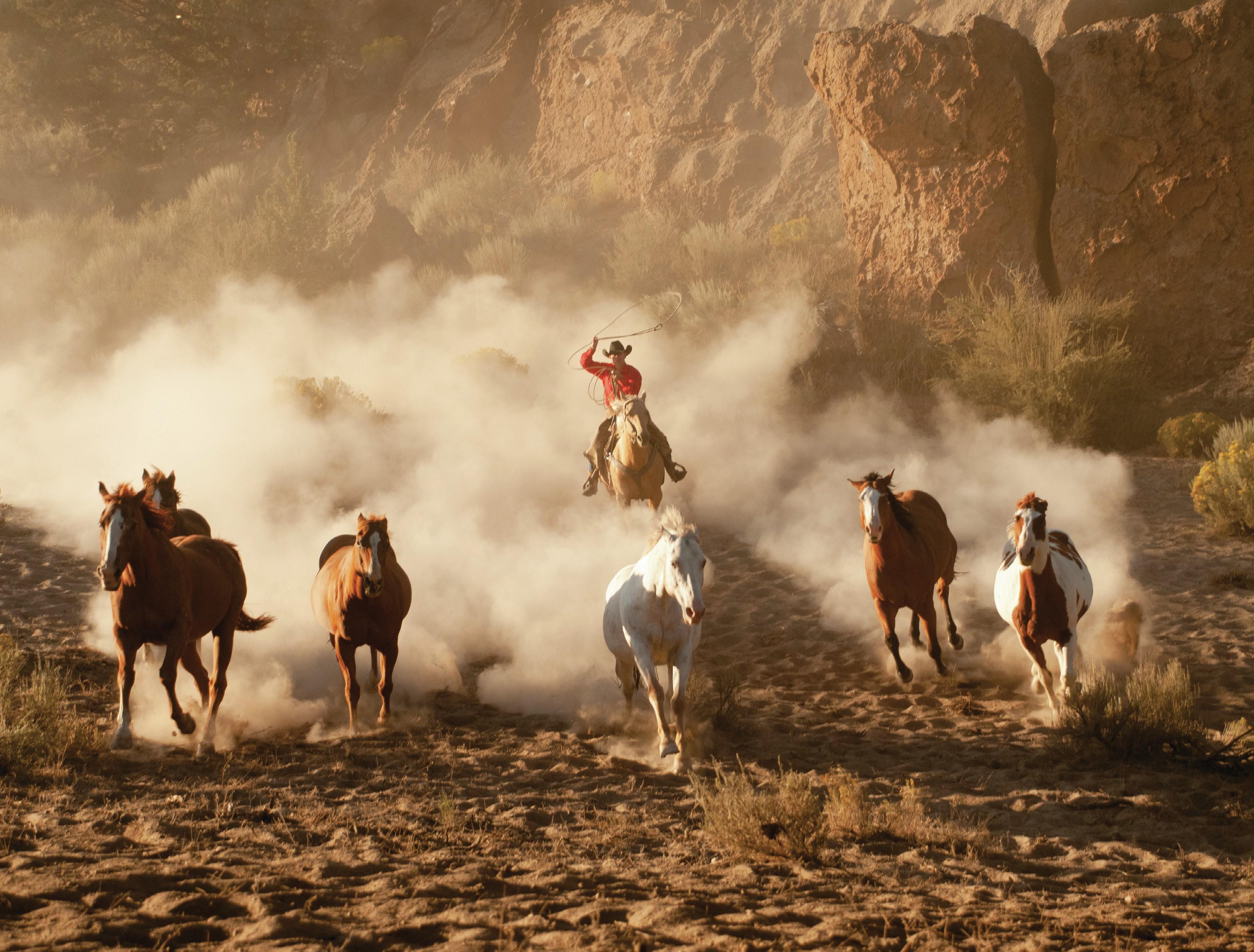
“Washington is the fucking Wild West, man, you can plant whatever you like here,” says Matt Reynvaan, the looselipped renegade winemaker at one of Washington’s most exciting estates.
Wearing a navy blue baseball cap and shades, Reynvaan is holding court on the terrace of his family-run property, Reynvaan Family Estate, a former apple orchard near the Oregon border in Walla Walla. It’s a scorching Tuesday afternoon, and the sky is a piercing blue. Beyond neatly planted rows of vines, wheat fields stretch as far as the eye can see.
Specialising in Rhône-style reds and whites, Reynvaan has magic in his hands, crafting silky, savoury Syrahs that taste of tapenade, olive brine, Asian plum, and peppered steak. His wines are emblematic of the freewheeling liberation to experiment that currently encapsulates the winemaking rhythm in the state. Unbound by restrictive rules and regulations, Washington attracts eccentrics, mavericks, and dreamers keen to write their own scripts.
But while Reynvaan may have his head in the clouds, when it comes to selling wine his feet are firmly on the ground. “I want people to think of Reynvaan when they think of Walla Walla Syrah, and get more of our wines over to the UK. I want to educate people about what’s possible in wine from our small corner of Washington,” he says.
“The wines that make it to export aren’t always the best showcase of what Washington is all about. For folks to take us seriously we need to have better examples on the international market.”
Washington’s experimental winemaking approach is aided by its patchwork quilt of soil types, climates and aspects in its 20 AVAs.
While 99% of the state’s grapes are grown in the sprawling Columbia Valley AVA, inside it are a series of dramatically different sub-appellations that are wholly contained in the valley.
To complicate matters, the Columbia Valley, Columbia Gorge, and Walla Walla AVAs cross over into Oregon, while the Lewis-Clark Valley is shared with Idaho.
A DIFFERENT PICTURE
Wind the clock back 20 years and it was a different picture in Washington.
Spearheaded by the slick wine juggernaut that is Château Ste. Michelle, which owns over 12,140 hectares of vineyards in Washington, and accounts for more than half of the annual production in the state, until relatively recently winemaking in Washington was more conservative in nature, and firmly focused on flagship variety Cabernet Sauvignon. While this remains king of the grapes, it is facing increasing competition from Syrah and Grenache. Early to spot the potential of the Red Mountain AVA – one of the four sub-appellations of the Yakima Valley – was Tuscan wine royalty Antinori, which teamed up with Ste. Michelle in 1995 to plant vines on the mountain, and make wine under the Col Solare brand.
Retailing at more than £80 a bottle in the UK, from the get-go the aim was to make a distinctly Washington wine rather than trying to push a Tuscan agenda. As you’d expect from Antinori, standards are excruciatingly high.
“Their chief oenologist, Renzo Cotarella, comes over a few times a year for blending. He’s obsessive about quality, and the wines have to be perfect before he’ll sign them off. This is the first year he’s said that the wines are finally starting to get to where he’d like them to be,” explains Christina Starr, director of brand communications for Château Ste. Michelle.
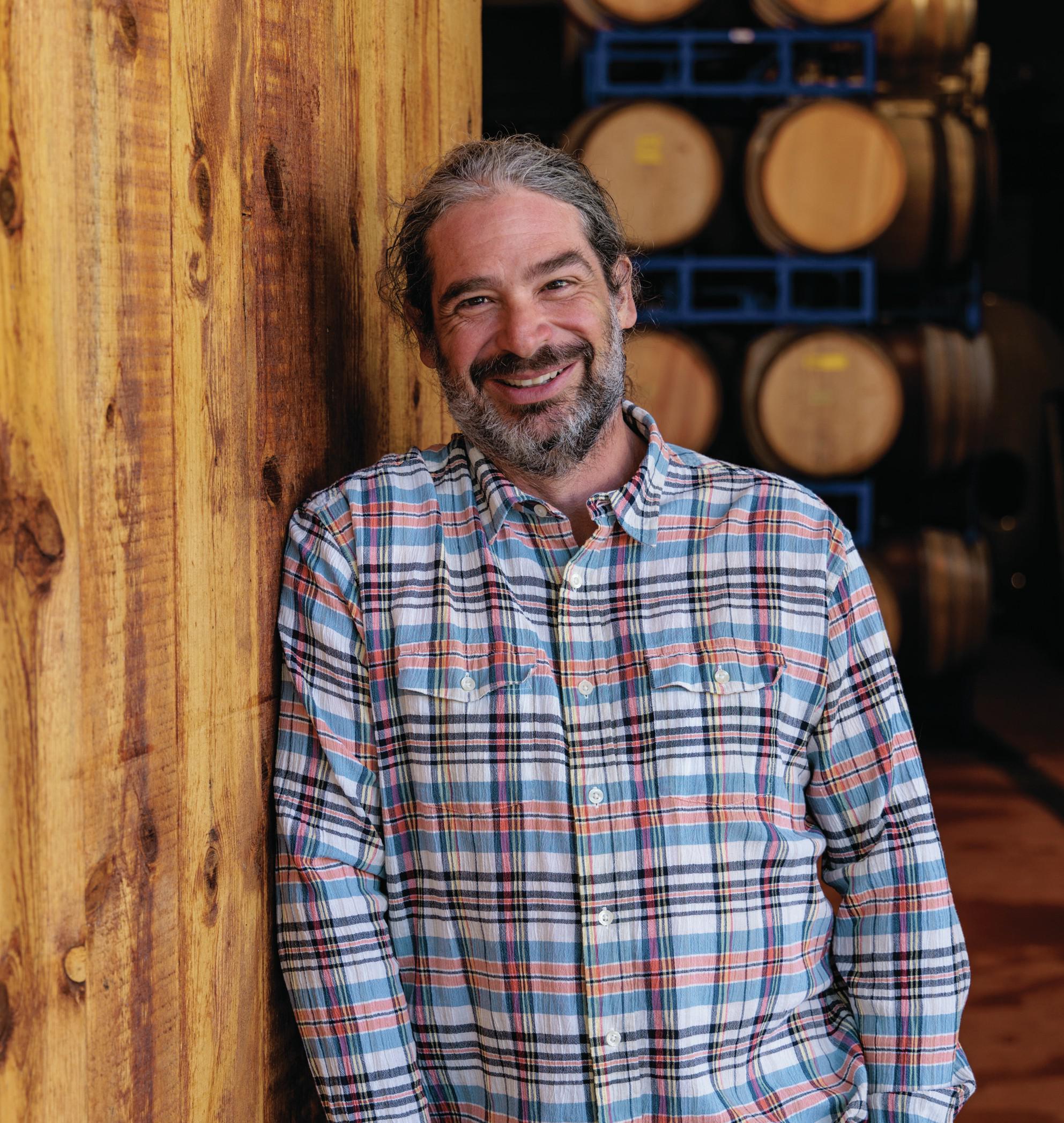
Chris Upchurch – the wild-haired, art collecting frontman of his eponymous estate Upchurch Vineyard, has been banging the Red Mountain drum for 30 years, and passionately believes that Cabernets from the AVA can go toe to toe with the best of California.
“I don’t see Napa as competition, as they’ve priced themselves out of the market. I’m confident that our Cabernets can match up to any from Napa, and will almost always be less expensive,” he says.
Having learnt from the best in Bordeaux, Upchurch has put the French obsession with crafting wines that are distinct from those of your neighbours into practice by working with a number of Cabernet clones.
“We’re planting more and more Cab and less of everything else here, and there’s a reason for that,” he says.
He puts Red Mountain’s distinctive style – ripe, concentrated Cabernets made with poise and precision – down to the high number of sunshine hours in the AVA, and big diurnal temperature swings, which slows down the ripening.
Red Mountain pioneer Kiona Vineyards, which sells fruit to 60 producers in Washington, believes the AVA has come of age, and has carved an enviable niche when it comes to world-class Cab.
“Red Mountain Cabernet grapes cost over twice as much as Cabernet from other parts of Washington. We’re moving towards acreage rather than tonnage contracts, as it allows for more intentionality in the buying process,” reveals Kiona’s affable general manager, JJ Williams. He is justifiably proud of the dusty swath of sagebrush and sunshine he gets to call home.
“A lot has changed here over the past 30 years, and everyone is now on board with the idea of Red Mountain being a quality wine region – there are no sandbaggers here, which isn’t always a given,” he says.
Away from the Cabernet coterie, the experimentation going on in Washington is dizzying in its diversity, running the gamut from rosé specialist SMAK, run by Hong Kong-born Fiona Mak, who bottles a quartet of pinks each year inspired by the four seasons, to fizz fanatics Tirridis, founded during the pandemic by university friends Andrew Gerow, Gabriel Crowell, and Matthew Doutney, who are blazing a trail with delicious traditional method sparklers that shun convention.
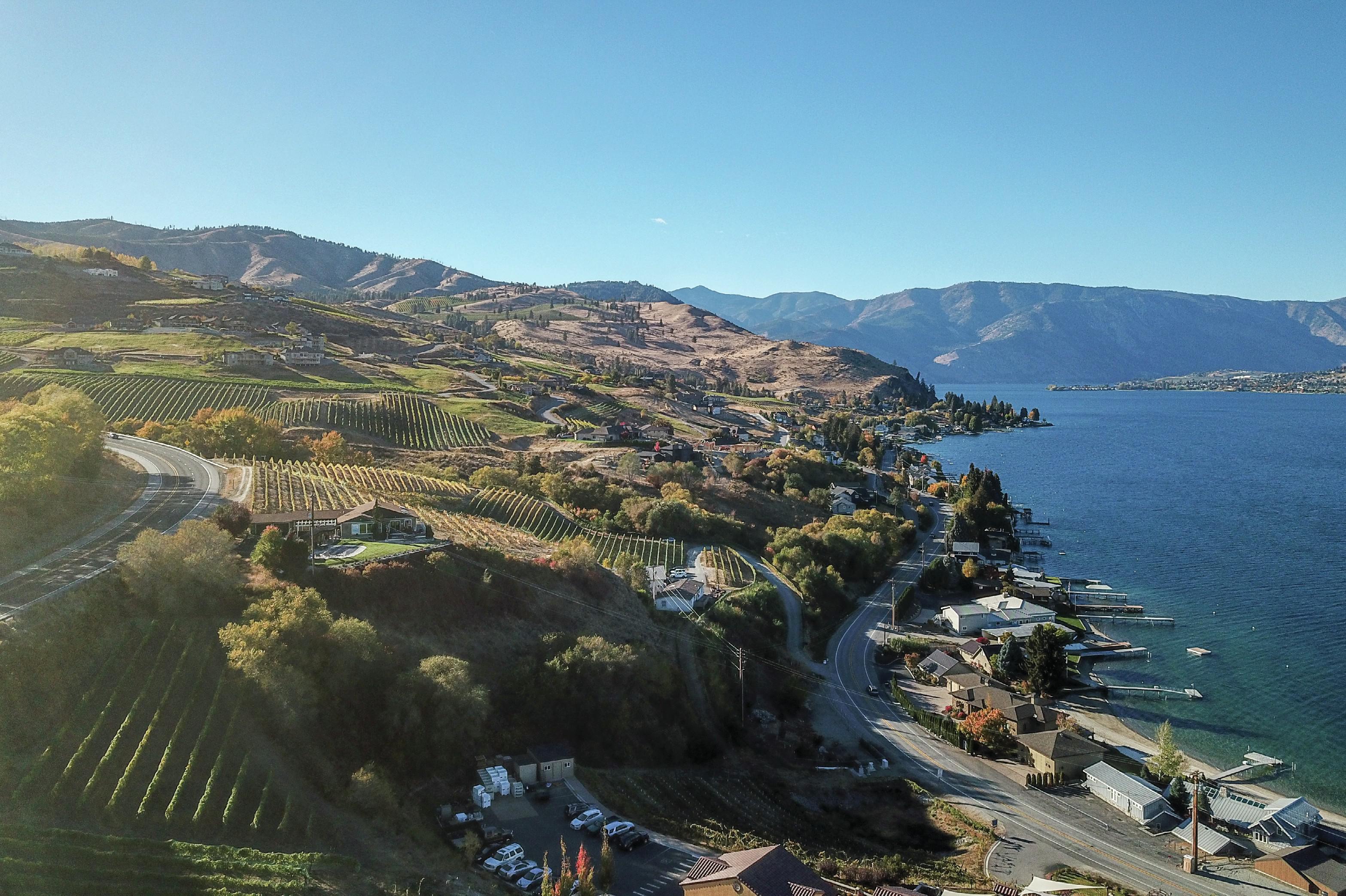
While many producers seem wary of being branded as ‘natural’ winemakers, keeping things free and easy is Riley Miller, the baby-faced hipster behind Sonder Wines, who makes bright, juicy and dangerously drinkable “low-fi” wines, including a white field blend from the Horse Heaven Hills, and a skin- contact white Rhône blend from the Columbia Valley.
“Washington has been focused on Cabernet for so long, but the past decade has been all about exploration and we’re still learning,” Miller says. “Ste. Michelle has really helped to build the reputation of the industry, and now winemakers are branching out beyond Cabernet.”
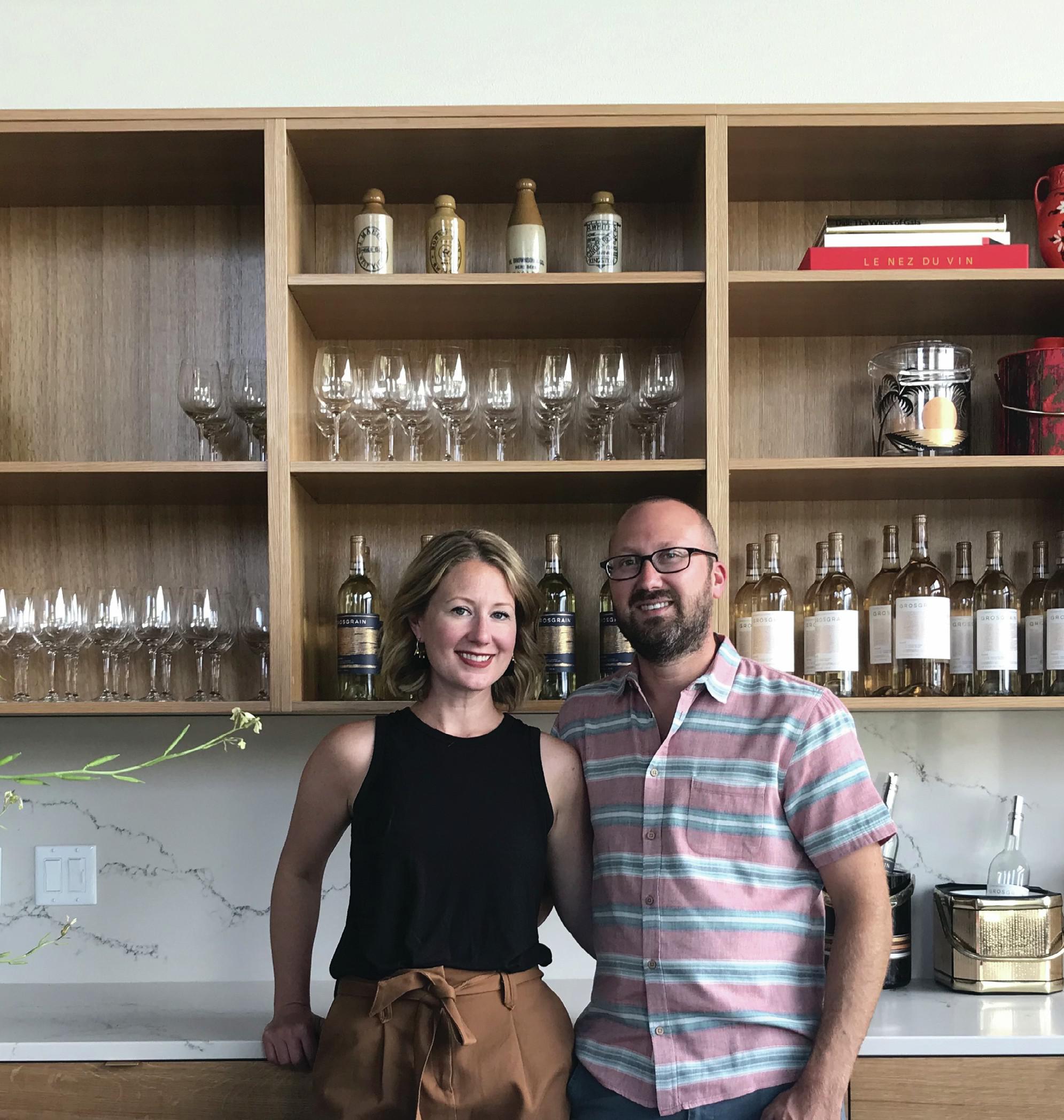
At organic estate Grosgrain Vineyards in Walla Walla, attorney-turned-Master-of-Wine-student Matt Austin and his wife, Kelly, a former fashion designer, have 16 grape varieties planted in 40-feet-deep silt loam soils, including Nebbiolo, Aglianico, Ribolla Gialla, and Xarel-lo.
Inspired by Steve Matthiasson and the ‘New California’ movement, Austin is on a mission to prove that it’s possible to craft elegant, restrained reds from a solar region, which he achieves by planting at higher elevations, fermenting at lower temperatures, and finishing his wines in concrete eggs imported from Burgundy.
Going against the grain, the Grosgrain range comes within the US$25-US$50 (£20-£39) bracket, making it more affordable than most boutique estates in Washington.
“We’ve kept our prices more moderate than most, as you don’t have to charge US$100 to make money on your wines,” reveals Austin, who’s fired up by the fact that the Washington wine script is still being written.
“It excites me that we can establish what the Washington wine message could be. We’re trying to quietly dial in on a few things. There’s a lot of experimentation going on in the state, which we can make our signature. Phylloxera has hit us, so winemakers are being forced to replant and rethink what goes back in the ground.
” James Mantone – a rock-star winemaker with a geeky obsession for geology – takes the alpine wines of the Savoie as his inspiration at Syncline, a small family-run farm in the wind-whipped Columbia Gorge. He is about to bottle his first experimental run of Mondeuce Noire to sell through his wine club.
“We’re making Alpine-style wines here, and are able to bottle Grüners at 12% ABV. You’d think it would be way too warm here for that,” he says, revealing that he’s keen for his wines to take a walk on the wild side.
“Where we are is a wild area – you get bears, cougars, wolf packs, and bobcats here, and I think our wines should reflect that wildness.”
While this experimentation is all well and good, by taking a scattergun approach Washington winemakers are risking becoming a jack of all trades and master of none, though DeLille’s CEO, Tom Duggan, doesn’t seem too worried about that.
“Not having a cohesive message for Washington wine is negative in the short term, as consumers are fickle. The elevator pitch needs to be simple, but our region is hard to define. In the long term the diversity of our wines will be beneficial, it will just take people longer to discover them,” he says.
With ancestors from Calabria, Chris Figgins, owner and winemaker at the single-vineyard Figgins Estate, is enjoying playing around with Italian varieties such as Sagrantino, Montepulciano, and Negroamaro in Walla Walla.
“We do a lot of things really well here. We’re not a onetrick pony, but it makes the message harder to explain to consumers. We don’t want the sales tail to wag the winemaking dog, and our experimental approach goes with the nature of the valley, as there’s a lot of enterprise here, which translates into the wines,” he says.
Williams of Kiona Vineyards is equally gung ho about experimentation being Washington’s calling card.
“It’s viewed as detrimental that Washington doesn’t have a defining grape, but I view it as a positive. You can make high-end, intriguing wines from a number of microclimates and grape varieties here – how is that a bad thing?”
With the state’s first AVA – the Yakima Valley – celebrating its 40th birthday this year, Washington is a fledgling wine region that’s still finding its feet, so it will take time to distil its winemaking mantra into an easily marketable message.
“We’re in a transitional place right now,” says Bobby Richards of Seven Hills Winery. “We’ve had the trailblazers come in, and now it’s our turn to continue down that path.”
As is common in any emerging wine region, taking a few planting risks and learning by trial and error is essential if you want to strike upon the perfect union of grape and place. And long may it continue, hopes Benjamin Smith, coowner of urban winery Cadence in Seattle.
“Winemakers here will continue to speculate, and search for the right spots for the right grapes to make the best wines from great sites, which is the only thing that will thrust Washington into the international spotlight and keep us there,” he says.
But with exports at a lowly 5%, a joined-up message wouldn’t go amiss when trying to sell Washington wines in the fiercely competitive international market.
“We don’t hone in on one thing in the way Napa does Cabernet and Oregon does Pinot, but it would be beneficial from a global perspective to have one key focus,” admits Spencer Williams of Tranche Estate in Walla Walla.
For Ste. Michelle, the answer lies in joining forces with Oregon to collectively promote the two regions under the ‘Pacific Northwest’ banner, allowing Washington to benefit from Oregon’s marketing clout, consumer awareness and higher tourism budget.
While 90% of the wineries in Washington make less than 5,000 cases a year, and are able to sell the vast majority of their drops via their cellar doors and wine clubs, there’s a collective desire for Washington to take its place on the world stage, which can only happen if its wines become more readily available outside of the US.
“There’s a perception that the volume isn’t here in Washington for exports, but that’s not true, as we can allocate. We want to sprinkle our wines in all the appropriate places,” says Abeja’s winemaker, Dan Wampfler. Chris Stone, vice-president of marketing and communications for the Washington State Wine Commission, shares Wampfler ’s enthusiasm for exports.
“We need to build the category and reputation of Washington wine around the world, and that can only be done through exports, even if it makes more business sense to sell your wines via the cellar door,” he says.
“Covid made wineries pull back from exports, but people are getting back out there now, and there’s a renewed interest in wanting to collectively grow our global presence.”
While Washington may have yet to find its marketing slogan, one thing the state’s wines can never be accused of is being boring. And in our plugged-in era where attention spans are short and the pursuit of novelty is relentless, having many strings to its wine bow is a blessing.
Washington state at a glance
• Number of licensed wineries: 1,070
• Number of AVAs: 20
• National rank as wine producer in the United States: second
• Wine grape hectares: 24,280-plus
• Number of grape growers: 400
• Varieties produced: 80-plus
• Total annual in-state economic impact: US$8+ billion
• Growing season diurnal shift: 30°F-40°F
• Annual wine production: 17+ million cases
• Record harvest, 2016: 272,000 tons
• Most recent harvest, 2022: 240,000 tons
• Average hours of summer sunlight: up to 17 hours per day
• Inches of annual rainfall in Columbia Valley: 6-8
• Percentage of wineries making less than 5,000 cases per year: 90%
Related news
All the medallists from The Global Pinot Gris Masters 2026
Will crus unlock Oltrepò Pavese’s full potential?
Cru World Wine sees huge demand for its 'community-ownership' share offer


