



Does the Vino de Autor category in Rioja need pinning down?
While reservas, gran reservas, and crianzas lead the way in Rioja, the region’s top winemakers are trying to create a space, however small, for signature expressions to come to the fore. Eloise Feilden finds out more.
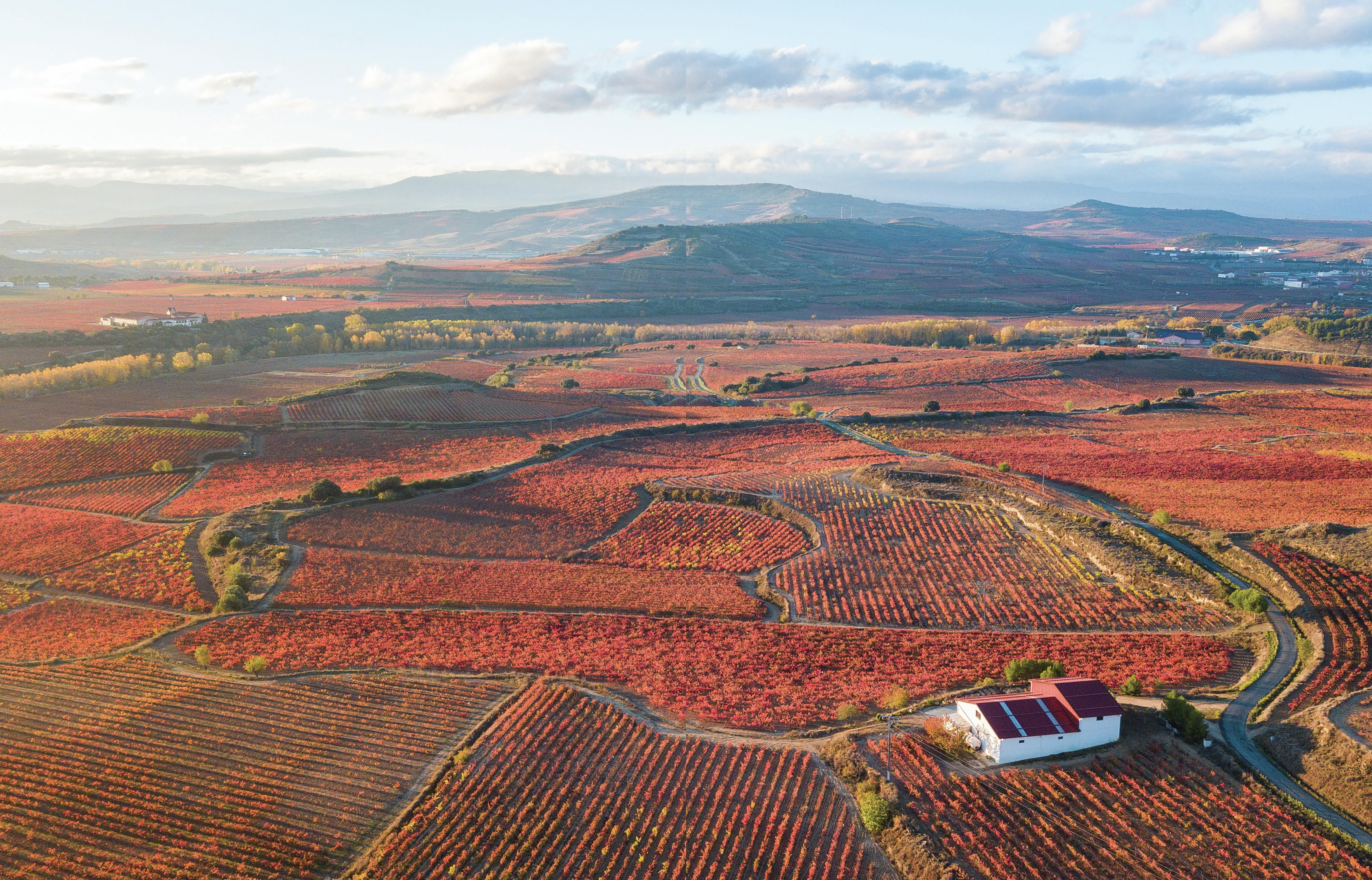
Let’s play guess the wine region. Clue number one: the vineyards of this Spanish region lie at the base of the Cantabrian Mountains, and benefit from the cooling breezes drifting inland from the Atlantic Ocean. Need another hint? Its biggest export market is the UK, responsible for around 30% of this region’s international sales. Third time lucky; a handful of the region’s winemakers are experimenting outside of the traditional barrel-ageing classifications that have come to characterise the area, to create what is seen by some as a purer expression of terroir. If you guessed Rioja, you would have been right. These wines, known colloquially as Vino de Autor – or ‘signature wines’ in English – are creeping their way onto restaurant menus and retail shelves.
The category itself is far from new – it was developed in the late 1980s and early 1990s by producers whose wines were in high demand from export markets, and who were reluctant to wait the extra time required for the liquid in the bottle to mature into reserva and gran reserva wines.
But a change to the Rioja classification system in 2017 may have given these wines a revamp. New geographical indications were introduced by the ruling Consejo, meaning that Vinedo Singular and Vino de Municipio wines are now legally recognised. And although the Vino de Autor category remains an unofficial term used only among producers, the Rioja DO’s pivot towards terroir-driven wines has triggered a domino effect.
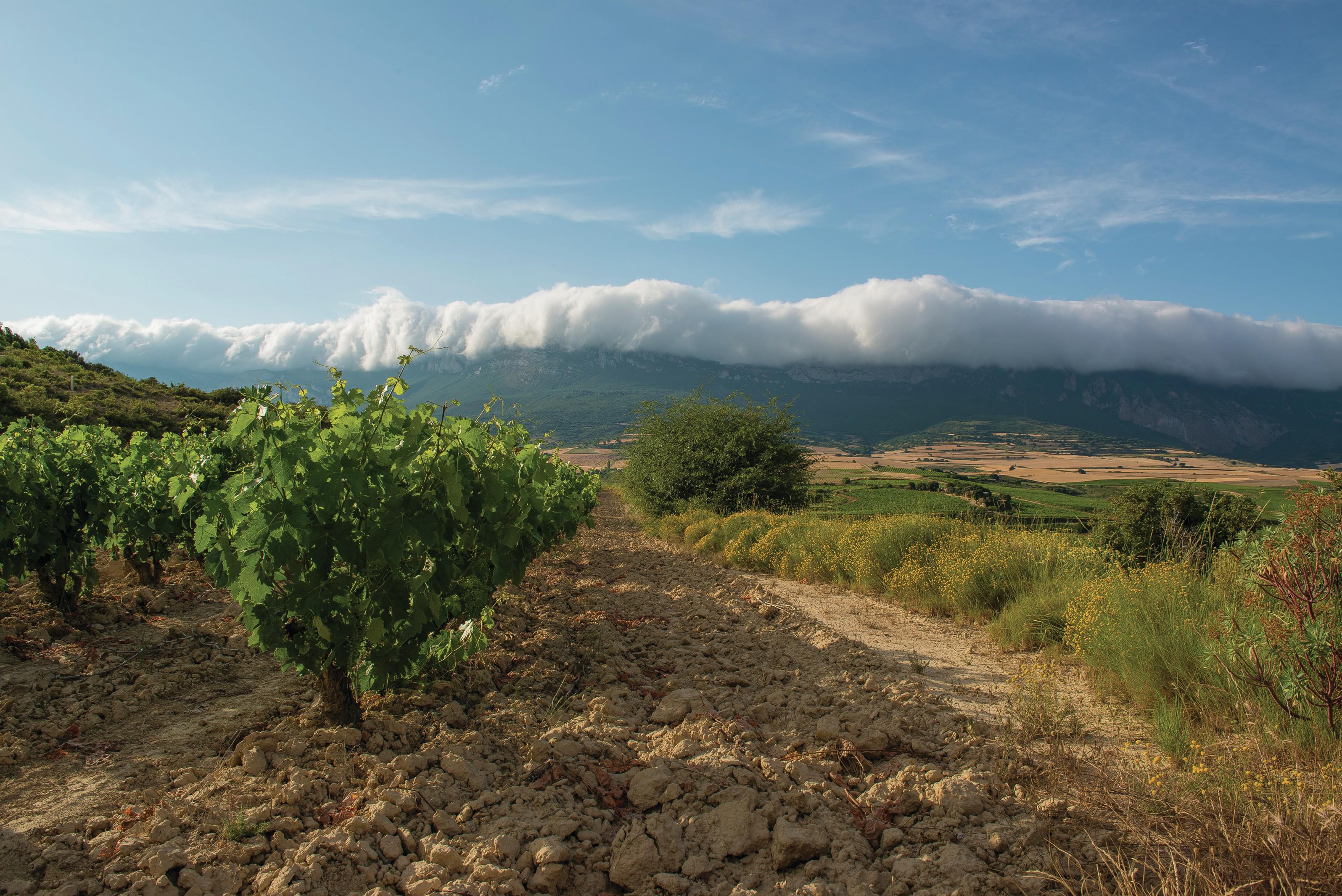
Almudena Alberca MW, head winemaker at Entrecanales Domecq e Hijos, recognises a “growing interest from certain sectors of the market in the new geographical indications as they respond to a long-term, growing trend and need for Spanish wines to concentrate more on specific, defined areas and show their distinct personalities”. The “long-term goal”, according to Alberca, is to create “a Burgundy-style classification of vineyards and sub-zones to improve the reputation and understanding of Spanish wine at the higher end”.
Changes to the existing system have therefore created a ripple effect, and also introduced a space for high-end wines that foreground fruit purity over winemaking intervention.
Rioja Vega’s UK area manager, Luis Marculeta, says the company has seen a lot of demand for Vinos de Autor in a number of markets, “especially as independent wine merchants are looking for something different” from “mainstream wines or wines that consumers could find in supermarkets”. Peter Wallbridge, wine buying manager for UK supplier Enotria & Coe, says that Vino de Autor wines have been given a new lease of life in recent years. “In the on-trade, those overly-wooded crianza and gran reserva wines are not particularly fashionable or desirable anymore,” he says. “There are some exceptions, but the Vinos de Autor are a way of offering something with more structure and often more fruitful expressions than we’d get from classic Rioja styles.”
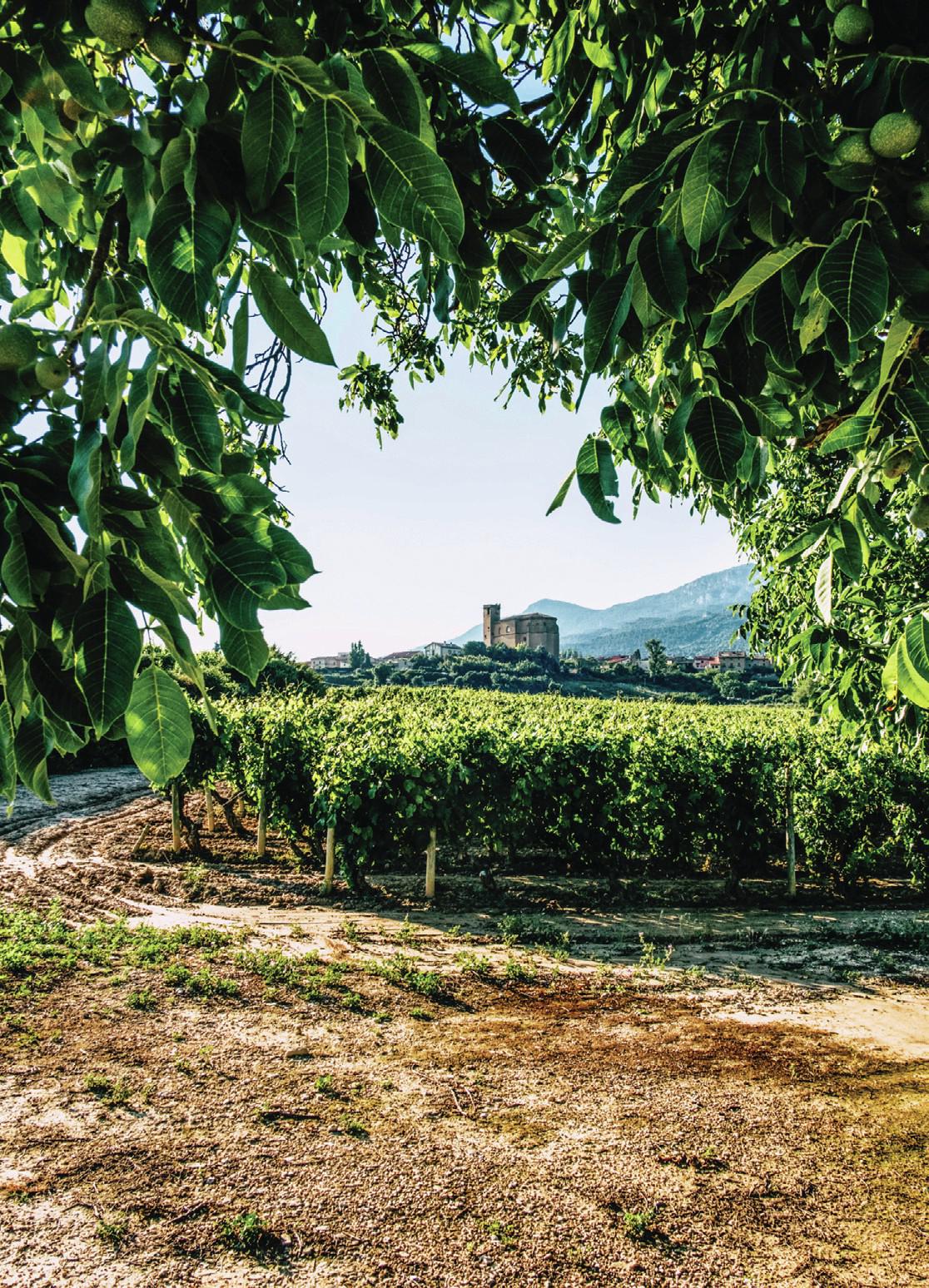
On the other end of the supply chain, the category offers Rioja’s winemakers a sense of freedom otherwise unafforded by the DO’s regulations. Carlos Rubio, winemaker at Rioja winery Bodegas Corral, explains: “Clearly the traditional classification system has worked incredibly well for brand Rioja, but of course there are varieties and plots that warrant special attention, so high quality and individuality on a small scale are key drivers.”
Bodegas Corral is undertaking a project to protect and preserve two little-known varieties – a strain of Maturana Blanca and Maturana Tinta de Navarrete vines – which Rubio claims are “only found in our village. The project allows us to make wines of the future using inspiration from the past. A great example is using amphorae from the famous red clay of Rioja in which to age the ‘local’ varieties.”
Big-name producers continue to release wines that would also fit under the Autor banner. Javier R. Galarreta, founder and CEO of Araex, has faith in the category. “Every vintage is different,” he says, “and high-value wines behave differently depending on the vintage, so we understand being able to work without ties in terms of barrel ageing as an advantage.”
The only challenge to the category is educating consumers. “What also needs to be determined is a clear definition of what it means to be a Vino de Autor and what it is not,” Galarreta says.
As the biggest export market for Rioja wines, it is clear to see why the UK and its consumers are so keen on the region; its reserva and gran reserva ageing categories are consistent and clearly defined, making light work even for those with little wine knowledge. Vinos de Autor require more effort – whether from brands, vendors, or sommeliers – to get their point (and their quality message) across. And not everyone is on board with that. When asked about the unofficial Vinos de Autor category, and how popular it is with producers, Jose Luis Lapuente, DOCa Rioja’s director general, told the drinks business: “The question contains the answer: there are no unofficial categories. A producer can explain his product but should not convey to the consumer that it belongs to a category that does not exist.” Its stance on the matter is clear: there is no category to market. But the Consejo is not alone in its resistance to change.
Hal Wilson, managing director of Cambridge Wine Merchants, says without consumer demand, a new category could be hard to introduce. “Rioja doesn’t need a huge amount of help. It’s so successful anyway,” he says. “It’s easy to understand; the wines speak for themselves; they’re ready to drink on release.”
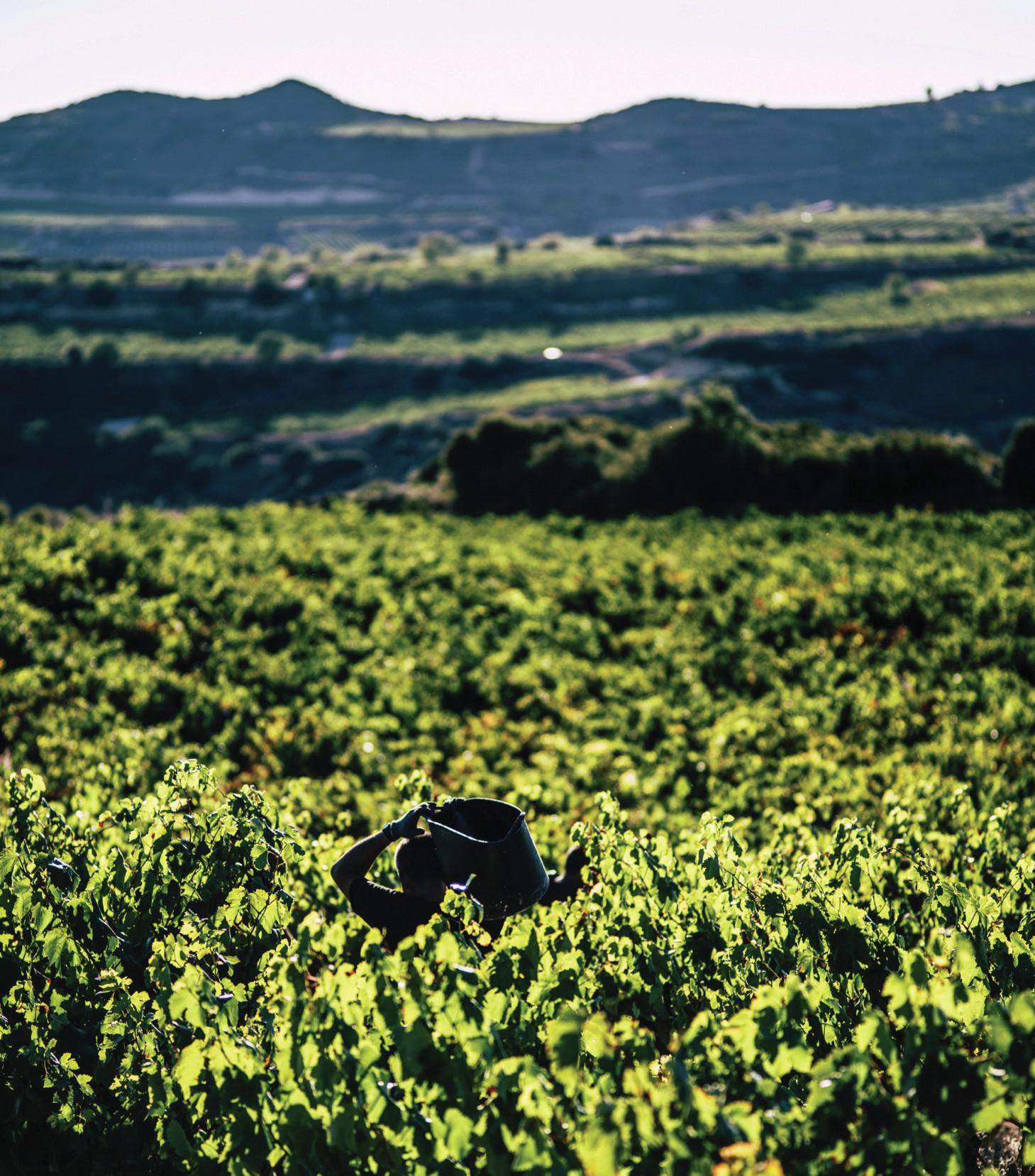
Wilson acknowledges the frustration among those producers eager to make new and exciting expressions, branding the current Rioja system a “velvety straight jacket”. But, he asks, why fix a system that isn’t broken? “Is it muddying the water by throwing in young wines that might need a lot of time to come around? The vast majority of our customers are going to be quite happy with following the existing hierarchy,” he says. “Wine is complicated enough. To stumble across a rather magical, fairly easy way of selling wine to people, obviously it will get boring for the producers, but it might not get boring for retailers.”
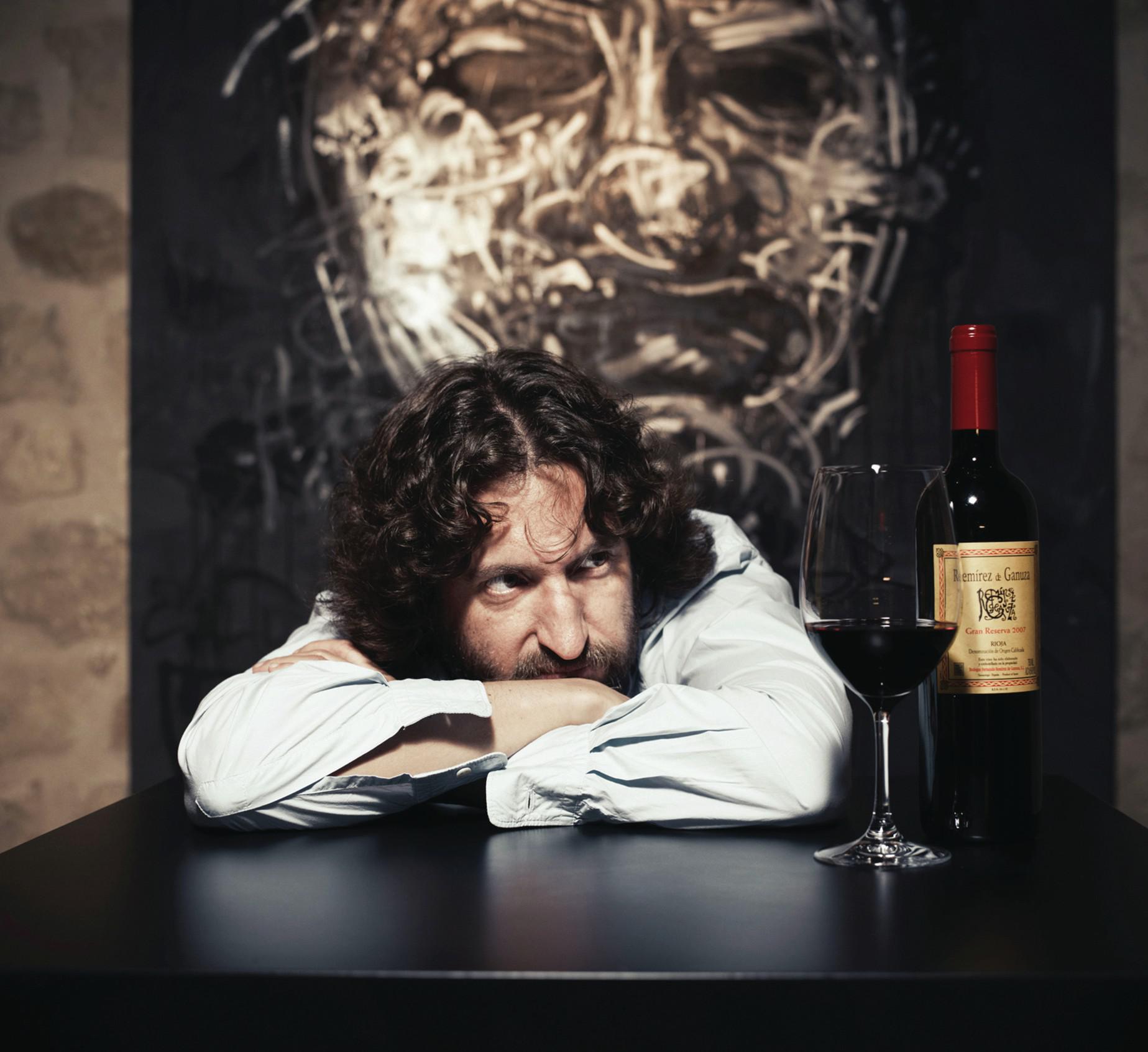
Even for producers, can high sales volumes and strong brand image really ever get old? For some years, under the influence of a US importer, winery Remírez de Ganuza released its Trasnocho wine under a generic classification to fit into the category of Vino de Autor. However, since 2007 Trasnocho has been released as a gran reserva wine, “and sales have only gone up”, says Jose Urtasun, the winery’s owner. “Influenced again by our US importer, Remírez de Ganuza Reserva was labelled for a few years as generic for the US market, a big mistake, in my opinion, that only generated confusion,” he adds. So not all of Rioja’s producers are behind the category. Even so, its recognition is growing. Vinos de Autor were a standout success at the 2022 Drinks Business Rioja Masters blind tasting competition, with close to every wine in the category gaining a Gold medal or higher.
Enotria & Coe’s Wallbridge thinks the on-trade is set to lead the way for its success here in the UK. “Rioja crianza is still a massive category, and there are still a number of sommeliers [for whom the bottle] has to say Rioja and it has to say crianza. But for anyone who’s looking for something exciting and interesting, it’s invariably a single-vineyard Vino de Autor, without a shadow of a doubt.” Corral’s Rubio believes that the rising popularity of Vinos de Autor is down to work done predominantly by wine buyers, with consumer knowledge still lagging behind. “Consumers are still learning,” he says.
As the saying goes, you can’t teach an old dog new tricks. But young dogs – or should I say young wine consumers – are poised and waiting. Francisco Honrubia, managing director of Familia Martínez Zabala, says the growing trend for signature wines in Rioja “allows us to offer different wines to new and younger consumers, reaching a wider demographic”. As such, Vinos de Autor – if one considers them to be the Super Tuscans of the Rioja region – can only be a good thing.
“Ultimately, this new trend in Vino de Autor wines has a positive impact on the Rioja DO, without undermining the traditional categories such as crianza, gran reserva, and gran reserva,” says Honrubia in summary. These signature wines can therefore continue to shine as a small but important part of the regional output, at no risk of overhauling the existing system, as a worthy alternative to the well-known styles responsible for putting Rioja on the map.
Related news
From innovation to gastronomy: why Hungary is having a moment
“The only way to build a wine is by making fewer bottles than the market needs”


