



What has the end of Thailand’s afternoon alcohol ban meant for the drinks trade?
In December, Thailand axed its long-standing alcohol sales ban. Producers, retailers and hospitality operators tell Nimmi Malhotra that the move is already boosting trade and tourism, with signs of higher footfall and improved sales across the on and off-trade.
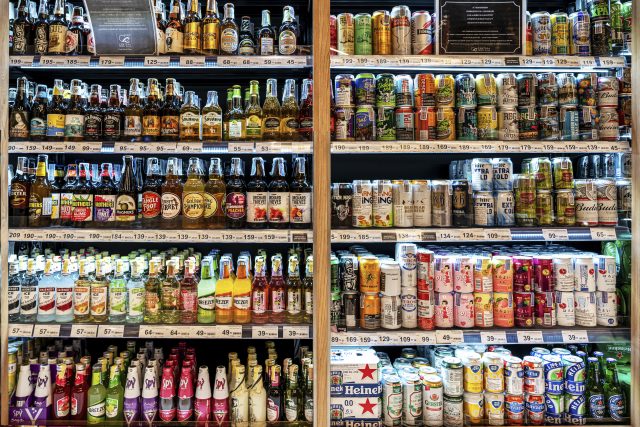
The restriction on retail alcohol sales between 2 pm and 5 pm was introduced in 1972 to prevent civil servants from drinking during office hours. While exemptions were later granted to airports, hotels and certain entertainment venues, the ban remained in place for more than five decades.
In December 2025, the Thai government formally ended a 53-year ban as part of broader efforts to stimulate the economy.
The decision comes amid softer tourism performance, with the Tourism Authority of Thailand reporting 32.9 million tourists in 2025, down from 35.5 million in 2024.
‘Encouraging move’
Local industry sources reported strong customer traffic at Makro Cash and Carry, the large-scale wholesale retailer with more than 100 stores nationwide, on the first day following the ban’s removal.
“It’s an encouraging move for the culture overhaul,” said Jim Barbeau, retail director and group wine buyer at Wine Connections. The Wine Connection Group operates Thailand’s largest network of wine retail stores and full-service wine-focused restaurants comprising 39 retail outlets and 36 restaurants nationwide.
Barbeau explained that during the former afternoon ban, outlets like Wine Connection typically remained open but used the time for internal operations. “Staff worked on reports, cleared deliveries, carried out inventory checks or took their breaks,” he said.
Tourist-driven sales
“It’s definitely good news for the off-trade sales,” said Michel Conrad of Independent Wine and Spirits (IWS). Thailand’s leading wine importers and distributors, IWS, operates nine retail outlets under the Q-Galleria banner in Bangkok, including high-end malls such as Icon Siam, as well as locations in Pattaya and Koh Samui.
Conrad confirmed IWS’s retail outlets are now open throughout the afternoon. “Our Q-Galleria shops have already seen improved sales, mostly driven by foreign tourists and expatriates,” he said.
Partner Content
However, he noted that the initial burst of optimism tapered off, with Q-Galleria shops recording around 1% growth in December and January.
Broader impacts
Conrad added that the newly opened trade window has been most impactful in tourist areas. “Local clients got excited when the news broke, but they usually don’t drink or purchase alcohol during these hours.”
On the on-trade side, hospitality operators have reported early gains. “We can start Happy Hour at 4 pm now,” said Arthur Loustau, co-founder of Vibe Hospitality, which operated French and Vietnamese dining concepts including Bardo Social Bistro and bar, Bardo Brasserie and Nón Lá.
Speaking to db in December 2025, Loustau described a challenging year for the sector. “The broader restaurant industry is a bit saturated at the moment.
Looking ahead
“We are down 30% year-on-year. It’s not directly related to tourism, but tourism has contributed. With the new relaxations in place, we believe there should be a rebound of business.”
By January 2026, Loustau confirmed total sales since the ban was lifted had “increased by approximately 8–12%, depending on the week and trading mix”.
“We expect this to continue building over the course of the year as market awareness increases, guest confidence and repeat visitation strengthen,” Loustau added.
The restriction is lifted for a 180-day trial period, which began on 3 December and covers several key trading periods, including New Years and Songkran Festival in early April.


