



US craft beer sector’s migration from bottles to cans slows
The shift from beer being packaged in cans instead of bottles is “levelling off” in the US, according to new research from the Brewers Association (BA). Could this have been impacted by tariffs on aluminium? db finds out.
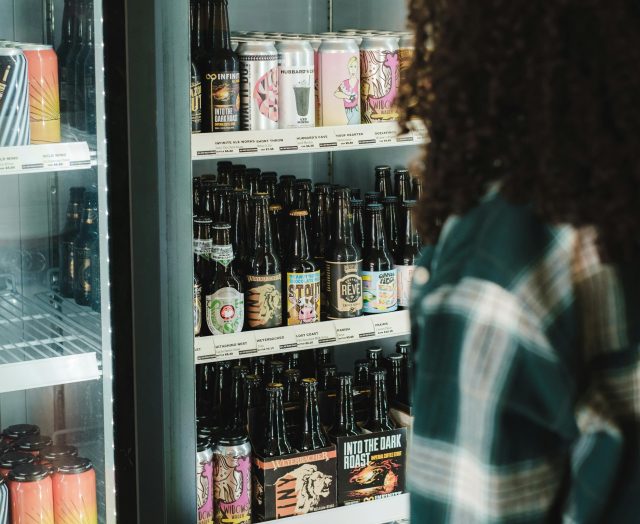
The trend analysis for 2025, made by the BA, identified that the conversion from glass bottles to cans may be reaching its ceiling.
Aluminium versus glass
According to the BA, craft beer in the US is primarily packaged in aluminium cans. This format accounted for 78% of packaged craft beer volume in 2025 while glass bottles accounted for just 22%.
In fact, the steady rise for breweries opting for cans and ditching glass bottles could be seen back in 2022 when the data revealed that 69% of the sector was in favour of cans and 31% still opted for glass bottles. Despite this, the BA highlighted that aluminium can share “seems to be levelling off after years of steady growth”.
Tariff impact
Last year, US craft breweries were also additionally being forced to reconsider how to package beers now that tariffs have been placed on aluminium.
In March 2025, President Donald Trump imposed 25% tariffs on steel, aluminium and other derivative products. The move, which was based on the initial import taxes in 2018 which established tariffs of 25% on steel and 10% on aluminium from most trading partners has now stepped up with the new tariffs eliminating exemptions granted to the 2018 levies. Added to this, by April 2025, the Trump administration added a 25% tariff on all canned imported beer as well as any empty aluminium cans, giving breweries reasons to rethink the sourcing of their packaging.
Partner Content



‘Growth is slowing’
Speaking about the shift seem over the course of last year, the BA’s staff economist Matt Gacioch said: “It’s worth noting that share growth is slowing. Whether it’s because there is limited glass left to convert, consumer acceptance of aluminium is largely established and/or we’re seeing the impacts of aluminium tariffs, it appears that the industry may be close to a current steady state where four of five packaged craft beers are canned.”
According to Gacioch, the trends vary widely by state. For instance, in Rhode Island, 92% of craft beer is in cans. But in states such as Mississippi, Kansas and Louisiana, cans’ share hovers around 58% or lower, showing that there’s space for more aluminium share growth.
Convenience and ritual
From state to state, Gacioch explained that “those differences possibly reflect occasion. In states where craft consumption is inextricably linked to outdoor activities, cans dominate. On the other hand, where craft is positioned around more special occasions and the ritual of opening a bottle still holds appeal (feels “fancy”), bottles retain share”.
Pack size shifts
While six-packs remain the most common format for beer sales, at 45% share, the research highlighted how sales are growing for other formats. For instance, singles now account for 8% of craft beer volume and on the opposite end, 24-packs also became more popular in 2025 even though the offering represented only 2% of overall BA craft volume in 2025, it was still the only major pack size to grow year-on-year.
Gacioch added: “These shifts to the extremes in pack sizes reflect a financially conscious consumer seeking purchases that feel justifiable in a tight time.”
Related news


