



The Big Interview: Jacques-Olivier Pesme
Executive director of the Wine Origins Alliance, Jacques-Olivier Pesme, talks cybersquatting, grandfather clauses and fair competition with Sarah Neish.

ln the almost 21 years since the Wine Origins Alliance was founded, the organisation has repeatedly faced new threats, especially as the digital world grew sharper teeth. “Perhaps one of our biggest victories came not on a label, but on the internet,” executive director Jacques-Olivier Pesme tells db.
“In 2014, the Internet Corporation for Assigned Names and Numbers (ICANN) was set to release two new domain extensions for websites – .wine and .vin. At the time, they planned only to allow wineries to protect trademarked brands with these domains, but the process was not made available to government-approved appellations, such as American AVAs.”
What that meant in real terms was that websites like ‘napavalley.wine’ would be available to the highest bidder, with no consideration of appellation designation, which, as Pesme explains, would have “undermined the legal protection that many regions have pursued, and increased the potential for counterfeiting and cybersquatting”.
Cybersquatting
In case you’re new to the term, ‘cybersquatting’ is not some kind of torturous exercise enforced in the gym, but instead denotes the bad-faith registration or use of a domain name that is confusingly similar to a trademark, brand or person’s name. Perpetrators often aim to make a profit by selling the domain back to the rightful owner at a high price. Other motivations for cybersquatting include causing damage to a brand’s reputation, or using the domain for phishing (sending emails claiming to be from genuine companies in order to get customers to reveal their personal details).
In the case of ICANN, the Wine Origins Alliance worked with wine producers and US Congress to draw attention to the risks of excluding appellations, with Pesme’s team even showing up at the ICANN51 conference in Los Angeles “to explain the consequences of this decision”, he says. Their efforts resulted in government-approved wine regions being included in the proposed domain changes, meaning they became legally entitled to “a period of time to secure domain extensions before they are released to the marketplace”.
In the current climate, where wine producers are already battling tariffs, declining alcohol consumption and administrative red tape, protecting wine place names takes on even greater significance. This is especially true, Pesme says, for the little guys.
“The lack of protection of wine region names is an issue that affects real people and entire territories built around wine,” he says. “It is particularly harmful for micro, small, and medium-sized enterprises (MSMEs), who do not have the same advertising or branding resources as major wine producers.”
For small producers who rely almost entirely on the reputation and price premium of their geographic indication, “this erosion can directly undermine margins, brand equity and export viability.”
Wine fingerprint
Every wine region has its own unique characteristics and traditions – a wine fingerprint, if you will. Therefore, when wine region names are not protected, “the authenticity of the entire wine industry is threatened,” Pesme declares. Rather than limiting trade, he sees the role of the Wine Origins Alliance as helping to ensure a level playing field and preventing “opportunistic actors” from benefitting from other people’s hard work.
“Imagine you build something entirely with your own hands. Over time, it becomes known and valued because people associate it with you, your skill, your standards and your identity. Now imagine someone else starts selling an identical product using your name, perhaps altered by a single letter,” he says, offering ‘Chianti Classic’ as opposed to Chianti Classico as an example. “Consumers might be confused, your reputation diluted and the value you created unfairly captured by someone who did not do the work. Wine appellations work the same way. A place name represents generations of human knowledge, combined with natural conditions that cannot be replicated.”
In that sense, “robust and consistent” protection of wine place names is, Pesme claims passionately, “a practical expression of fair competition”.
Grandfather clauses
Complicating things even further are so-called ‘grandfather clauses’, which can scupper broader progress.
“When it comes to wine, a grandfather clause means that those who had engaged in misuse prior to the signing of a trade agreement can continue to do so moving forward,” Pesme explains. While a new producer on the market could not, for example, create a new ‘California Champagne’, those who have historically labelled their wines as such can continue to do so. “Unfortunately, this undercuts the effectiveness of the protection that was established”says Pesme, leaving wine places wide open to consumer confusion.
Legislation is constantly slipping and sliding when it comes to these historical clauses. Take Australian Prosecco, for example. In 2013, a legal ruling granted Australian producers the right to name their sparkling wines ‘Prosecco’ on the grounds that Prosecco is the name of a grape variety, not a place. However, Australia’s export markets are entitled to make their own rulings regarding the matter, and in November 2024 Singapore’s Court of Appeals ruled in favour of the Italian Prosecco Consortium in prohibiting Australians from exporting sparkling wines to Singapore labelled as ‘Prosecco’.
Hot potato
In addition to wine place protection, the Wine Origins Alliance also seeks to eliminate potential barriers to trade. One red-hot potato among global producers right now is a lack of consistent labelling requirements between markets. In fact, a recent survey conducted by the Alliance revealed this to be the “unanimous top concern” among its region members.
Partner Content

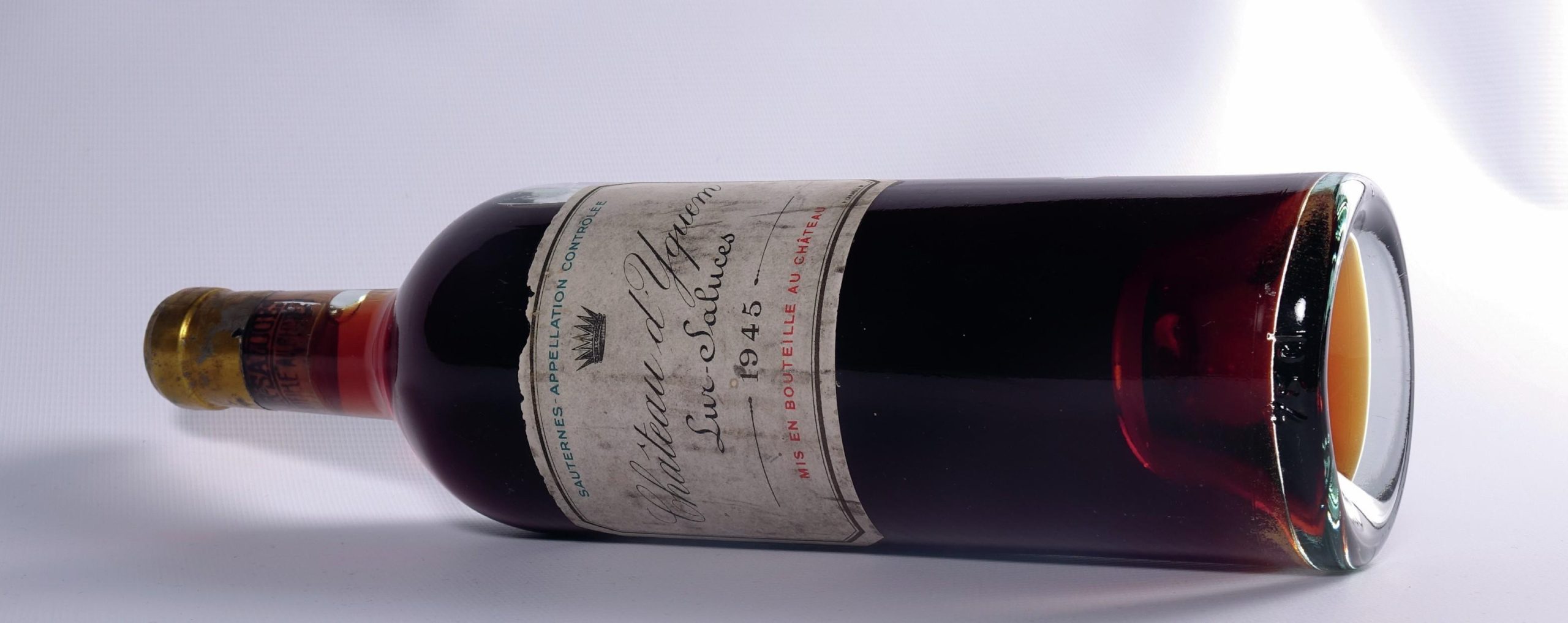

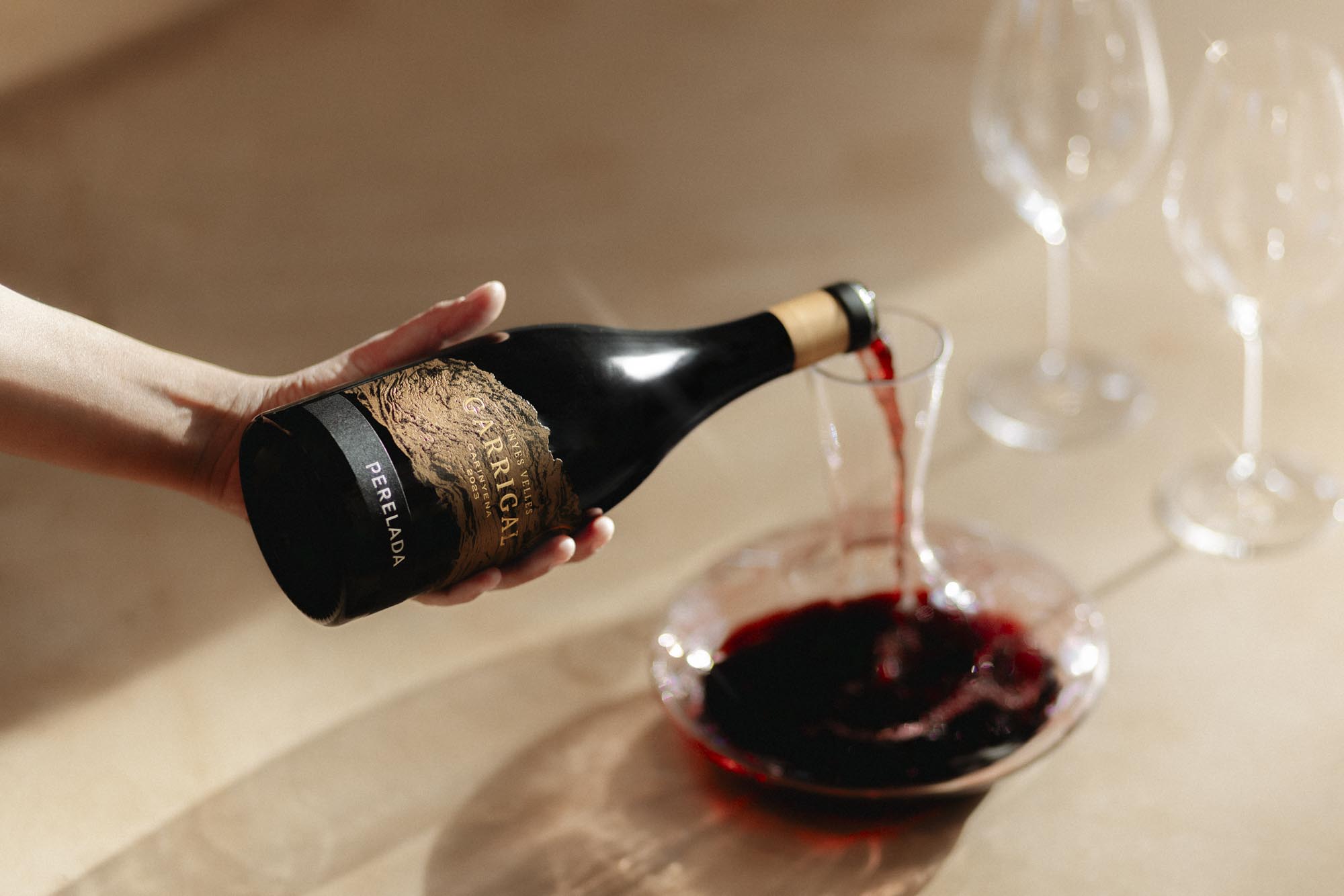
Labelling frustrations range from different rules relating to ingredient lists and nutritional information to the inclusion (or not) of recycling symbols and whether certain additives can be used. For example, some additives permitted in the EU are not recognised by China or South Korea.
So what can be done to make labelling requirements universal?
“The key focus is harmonisation, and any initiative that promotes convergence among countries should be supported,” says Pesme. “As a starting point, we are calling for a multilateral dialogue to standardise ingredient lists, additive authorisations and format requirements, as doing so would alleviate a great burden across geographies.”
Again, it’s the small producers that often bear the brunt, as they lack the financial means to comply. “Different documentation, certification steps and labelling requirements, including country-specific health warnings… each of these obligations costs time, expertise and money,” says Pesme. “For a large exporter, these costs can be absorbed through economy of scale; for a small winery, they can represent a decisive barrier to entry. The result is not simply administrative inconvenience. It shapes commercial behaviour. “
He adds that some producers end up delaying or abandoning export plans altogether, while others restrict themselves to a limited number of markets. “That reduces competitive diversity and consumer choice, without delivering clear economic gains to anyone,” Pesme points out.
New members
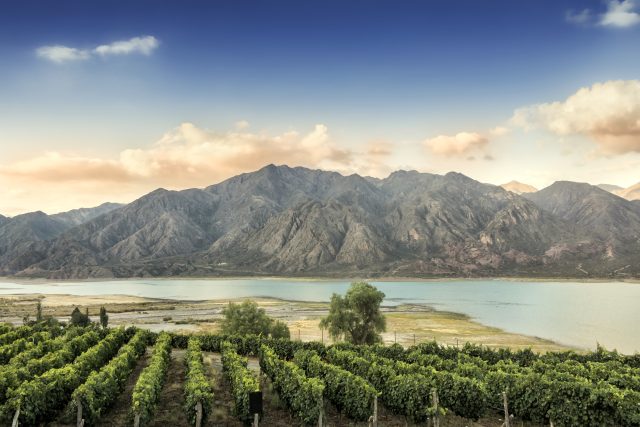
The work is ongoing. In February 2026, two new regions – Ontario, Canada, and Mendoza, Argentina – joined the Wine Origins Alliance, bringing its member regions up to 36 across 11 countries. That same month, 15 member regions also traveled to Geneva to meet with “high-level officials” at the World Trade Organization to find out what can be done to remove various barriers to trade.
“When it comes to wine, we’re talking about more than 3,500 trade measures implemented around the world today,” Pesme stresses. “The total cost of these measures runs into hundreds of millions of US dollars. Every time you resolve one, that’s less red tape, and real human and financial resources saved. That’s exactly what we do. We explain our industry, and put a face on the reality that winegrowers deal with every day. The World Trade Organization bodies handle thousands of products traded around the world. Our role is to flag situations they simply aren’t aware of.”
According to Pesme, the Geneva delegation held “very productive meetings” with key leaders in the fields of name protection, and sanitary and phytosanitary measures. “The more we show up, the more we are heard,” he says. “We are confident that this work, done consistently and collectively, will deliver real results for the wine industry.”
Tariff Gate
One area of concern for many in the drinks trade remains the spider’s web of US tariffs, which continues to be spun following the Supreme Court ruling in February that President Trump’s global tariffs exceeded his presidential authority.
“Even before this current dynamic, we informed policymakers that retaliatory tariffs invariably harm wine producers – including in the US – and impede the growth of the wine sector in its entirety,” Pesme reveals.
The damage is clear. “When we ask wine regions which export market is currently the most challenging, nearly 75% say the US. Beyond tariffs, they frequently point to the complexity of the distribution system, market volatility and gaps in place name protection.”
However, he discourages the fostering of anti-US sentiment and urges wine businesses to “maintain a stable, high-quality commercial relationship [with the US], despite ongoing turbulence”. It is also, he says, important to distinguish any ill feeling about tariffs from US wine regions themselves “and from the work of those regions to stand alongside their global competitors and eliminate barriers to wine trade”.
Investment freezes
Perhaps the most worrying outcome of continued tariff uncertainty is investment freezes. Pesme describes these as “very concrete decisions made by producers, importers and distributors to pause or scale back spending when uncertainty clouds margin visibility“. This can mean wineries delaying bottling runs, postponing label redesigns required for regulatory compliance or shelving marketing campaigns and in-market brand activations. On the trade side, Pesme adds, importers may defer warehouse expansions, inventory build-ups or long-term distribution commitments.
In other words, when landed costs and demand outlooks are unclear, “committing capital becomes a higher-risk proposition, so investment is temporarily put on hold”.
Despite these very real hurdles, Pesme acknowledges the “tremendous progress” that has been achieved in the Wine Origins Alliance’s 21-year history. “While there is still much to accomplish in achieving a true level playing field globally, it shows us that there is hope and a path forward,” he says. “However, it will require a shared industry understanding that we are all better served when wine’s authenticity is recognised and trade barriers are reduced. “Identity is not incidental in wine; it is a defining characteristic of the industry.”
Related news
The big interview: Tyrone Reid


