



Santiago Marone Cinzano: ‘my generation wants wines that are ready to drink’
Generation Z want wines that are ready to drink now, rather than waiting for years, according to Santiago Marone Cinzano, the 10th generation member from the famous vermouth family who is forging his own way of making top quality Brunello di Montalcino. Arabella Mileham reports.
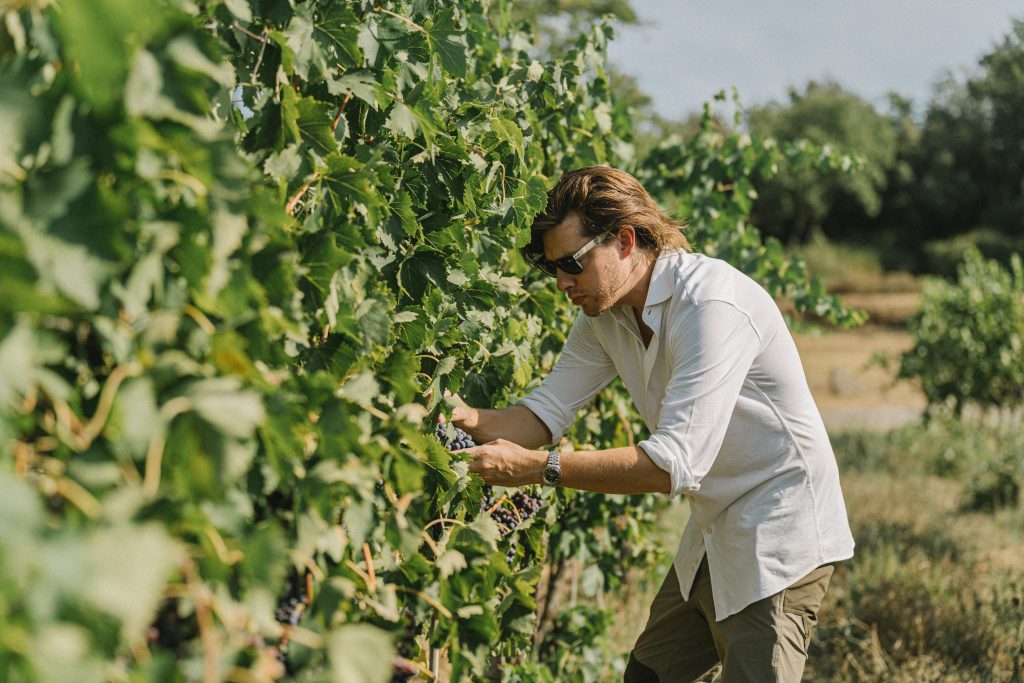
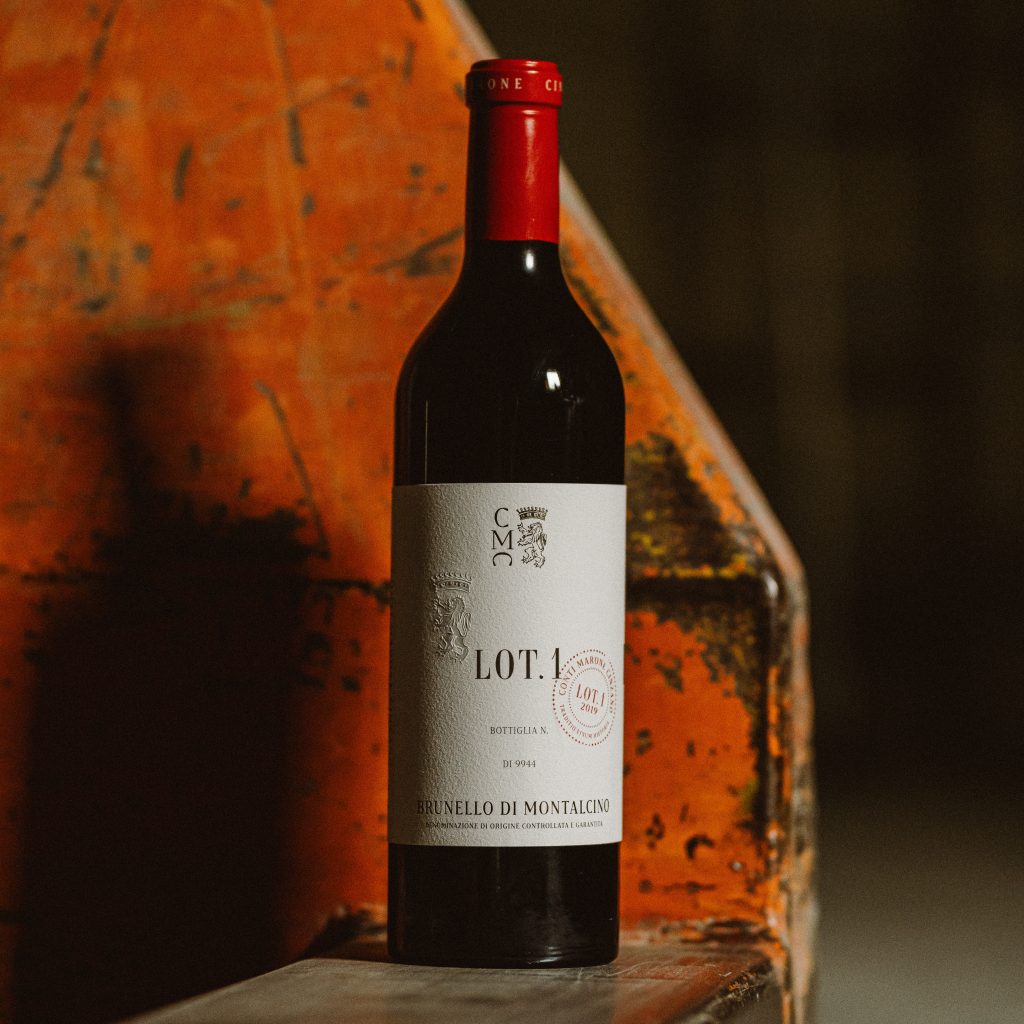
Marone Cinzano was in London to present Lot 1, the single Cru concept wines from his CMC Conti Marone Cinzano label, a high-end wine to appeal to a young generation of wine drinkers.
Family history
And Santiago epitomises the new way of thinking. Although the long family history in vermouth and sparkling wine production lies in Piemonte, it was only in 1973 that the family invested in land in Montalcino, a 110-hectare estate with diverse soil types and exposures.
“My grandfather and great grandfather were effectively businessmen rather than farmers” Santiago says, but it was his grandfather who fell in love with Montalcino and the acid-driven style of Sangiovese (“more austere than that of Chianti”) with its exceptional ageing potential and bought the Col D’Orcia and Sant’Angelo, initially under the Cinzano brand, although these were later spun off. Santiago’s father, Francesco Marone Cinzano, was forced to sell the company after his own father’s death due to “the usual difficult succession and family issues”, (“an extremely difficult decision after nine generations and 350 years in the family”, Santiago notes, especially after he had been groomed as the future president of the family business). Francesco took his family to Chile, where Santiago spend his childhood, before returning to Montalcino and the two estates they had kept, inspired by the winemaking in Chile. Santiago himself returned to Chile in his teens and 20s to learn more about winemaking himself.
“The way I learnt winemaker was on 100-year-old vines with pie franco (ungrafted) spontaneous fermentation and really non-intervention,” he explained. “It was a really great way to learn winemaking and that is what motivated my father when we moved back to Montalcino, to transform Col D’Orcia.”
Last year, Santiago launched his own venture, CMC Conti Marone Cinzano, which, as export manager Nicola Giannetti explained, is a younger style of Montalcino, offering complexity but “in an easier way”. It is “a Brunello for the younger generation”, he said, where accessibility is key. “We are not losing the tradition but evolving.”
The development from single cru
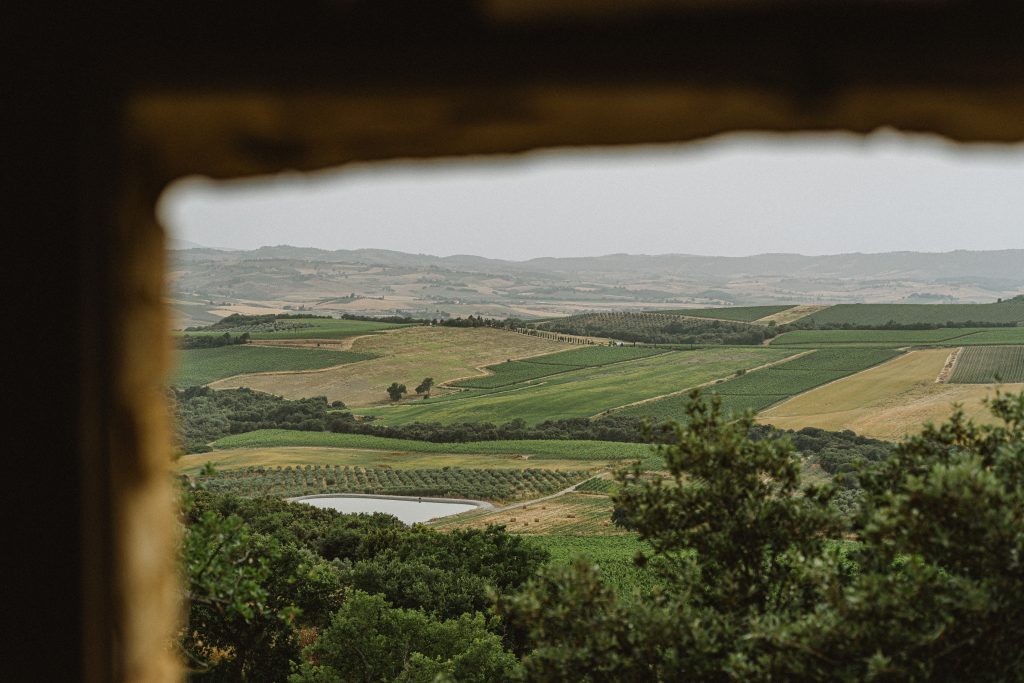
Santiago explains the evolution. Lot 1, he said “is something that’s been in the back of my mind since the first time my father took me to Poggio al Vento, a vineyard we have on the estate, and started explaining the concept of cru of single vineyards,” which meant that in some years, no wines could be released (he was 8 at the time). “Coming from Piemonte, from the Langue and producing wine in Montalcino, the concept of single vineyard is almost the only language we know,” he said, but Santiago wanted to do it differently.
“In the past 10 years, we’ve seen such climatic variability, such extremes – the wettest year on record, the driest year on record, the most severe frosts in 2021 and the highest temperatures in the past 30 years in 2017,” he explains. “We’ve always had hot vintages, but now the extremes are much more accentuated”
The fact that the ten years Angeles and Col D’Orcia’s come “from virtually 10 different plots [is] when you start really questioning the theory of cru,” he said.
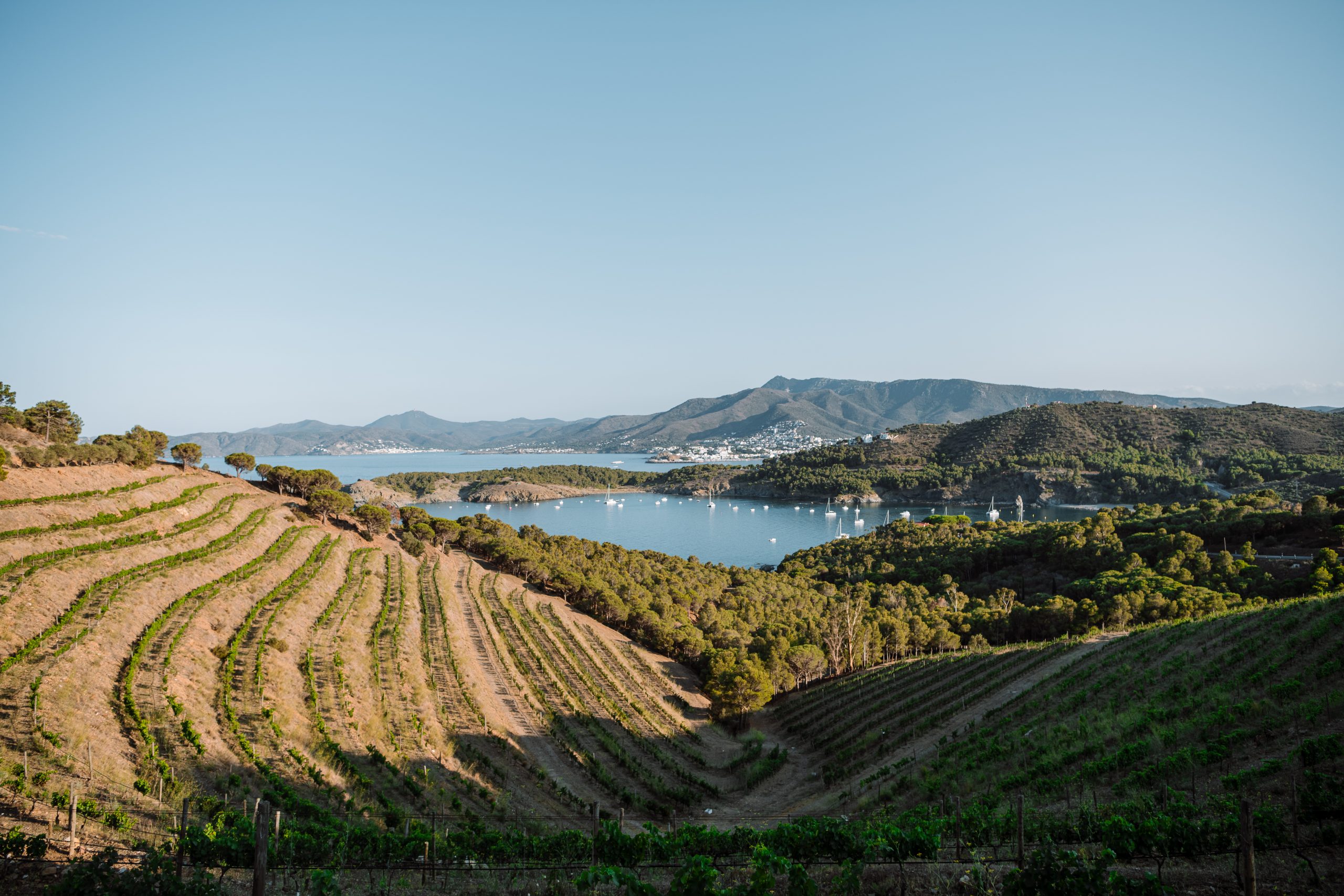
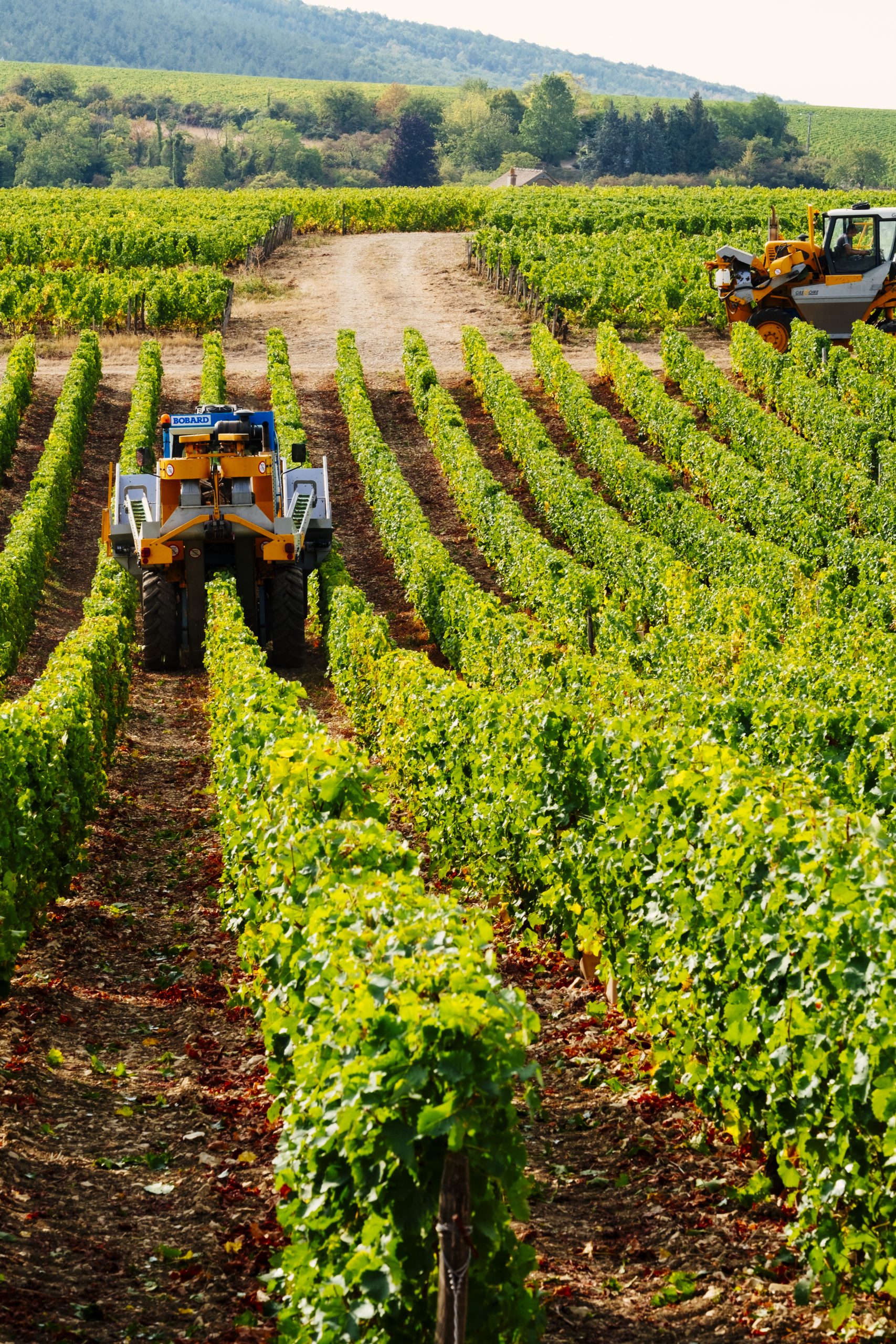
The team have adapted a simple, but effective approach, but choosing a site with more clay that is less exposed to sunlight during warmer and drier vintages, free-draining sandy soil during a wetter one, where the vineyard is more exposed to encourage more movement of air to prevent mildew or odium.
Partner Content
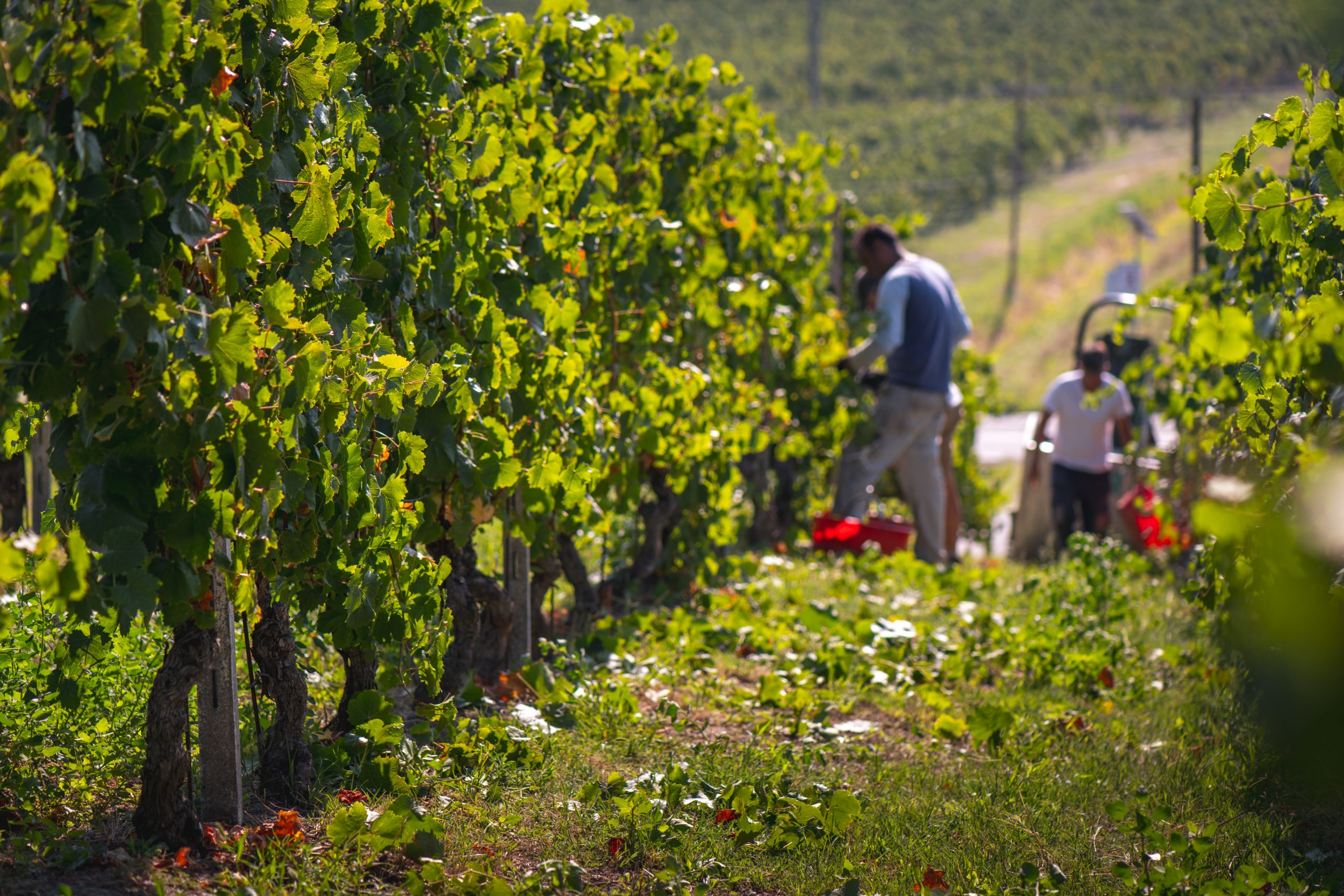
“These are quite simple approaches, but when you put them all together effectively, you have a new selection method to Sangiovese that guarantees that you are picking the best fruit,” he says.
Establishing parametres
On the back of this, the team has developed a set of parameters with world renowned consultant oenologist Professor Donato Lanati, to identify certain aromatic precursors (norisoprenoids) in the fruit that will be released during fermentation, which help make it easier to predict how the wines will evolve.
“The higher the concentrates, the less I have to mechanically extract from the grapes to achieve those aromatic components in the wine”, Marone Cinzano said, adding that very high phenolic maturity was also important as it meant using less oxygen to soften and round the tannins.
“We want a fruit forward Brunello with softer than average tannins,” he said. “That’s the type of Sangiovese the market is looking for today – elegant, vertical, fruit forward, crunchy juicy Sangiovese that doesn’t have tannins that make you want to wait 15 years before you drink it.”
Younger people “don’t have a concept of aging wines themselves”, he argues, pointing out that there also isn’t much space in private homes, and most restaurants don’t have a big warehouse to store and age wines. “ More and more the market is relying on wine estates and winemakers to age their own wine. So, yes, I can make an age worthy Brunello, but then it’s on me to release it when it’s drinkable and not tell the clients ‘you can buy it now, but it’s not going to be at its feet for another 10 years’.”
To riserva or not riserva?
While Marone Cinzano had originally wanted to make a Brunello Riserva, “I’m happy I didn’t”, given that he still has the flexibility to bottle wines when they were ready depending on the weather that year – for the 2019 vintage this was after 36 months, whereas the warmer 2020 vintage needed only 28 months of ageing.
With the changing climate, he argues that adhering to a Riserva category is something of limitation, giving less flexibility rather than more. “One of the greatest luxuries a winemaker can have is flexibility to choose how much oak he want to use and how we want to work,” he explained. “No one has told a Burgundy Premier Cru producer they need 18months of oak or 24 months ageing.”
And with the climate in Italy becoming increasingly drier and warmer, he argues that Sangiovese will continue to need less oak-ageing, and more time in bottle.
“The best labels coming out of Montalcino today tend not to be Riserva anymore they tend to be single vineyard… or special editions,” he said.


